
Phone Chargers
Match the tier to the phone, not to the biggest number on the shelf.
This is the general phone charging guide: the wattage tiers, what fast and flash charging actually mean, and the safety questions that decide whether a charger is the right one. Brand-specific protocols are in the Android guide and the iPhone guide.
- Three routes below cover every phone charger decision
- 26 guides organised by the question they answer
- Every route ends at a wattage tier and a plain answer
Three routes, and you only need one of them
Choosing a tier, understanding the technology and actually buying are three different jobs. Start with the one you are doing.
Pick the wattage tier
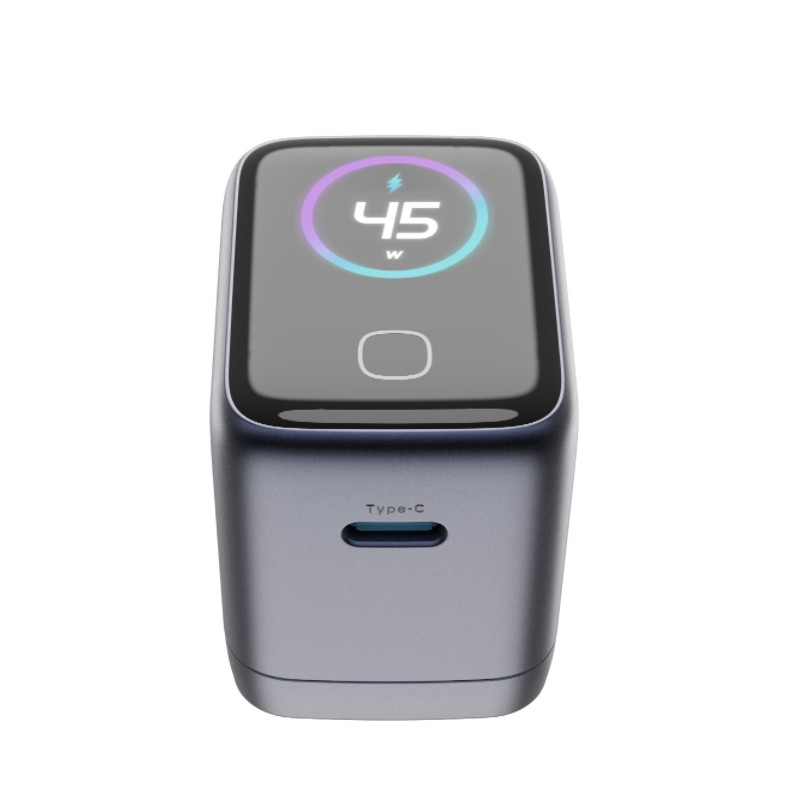
20W covers a phone, 45W covers a phone and a tablet, 65W and up cover a laptop too. Pick from the device list and the tier falls out of it.
Understand fast charging
Slow, fast and flash charging are three different things with three different requirements. Knowing which one a phone supports stops you buying headroom it cannot use.
Choose and buy
Once the tier is known, the buying decision is about the specification details most people skip — and about whether an older phone can even use the speed being sold.
Safety and battery questions, answered plainly
Most of the anxiety around phone charging is about two things: whether a bigger charger can hurt the phone, and whether a charging habit can hurt the battery.
Can a high-power charger damage a low-power phone?
No. The phone negotiates what it draws and the charger supplies no more than that. A 100W brick on a phone that wants 18W behaves like an 18W charger. What actually causes damage is a non-compliant charger that ignores the negotiated profile, which is a certification question rather than a wattage one.
Charging habits and the 80% ceiling
Charge management, not the charger, decides how a battery ages, and most 80% ceilings are a protection setting doing its job. The habits that genuinely matter are heat and cheap electronics — not overnight charging, which modern phones handle correctly.
Households, bundles and the desk
Beyond one phone and one charger, the questions become logistic: how many bricks a household needs, what a bundle should contain, and where the heat goes on a shared desk.
Shared chargers in a household
Mixed-device households are the case that justifies a higher tier, because the same brick has to serve a phone, a tablet and occasionally a laptop. The honest advice is fewer, better chargers rather than one per device.
Bundling a charger with the phone
For brands, the bundle is a launch decision: what ships in the box, what compliance it needs, and how it affects the headline price. Getting it right is mostly about the spec set rather than the wattage.
Heat on a shared desk
A multi-device dock concentrates several charging losses into one small volume, so the thermal design decides whether it holds its output or throttles. That is a desk problem, not a phone problem.
What actually decides how fast a phone charges
Four things, in this order. The wattage on the charger is the first thing people check and the last thing that matters.
The phone charge curve
Every phone accepts high power early and tapers. Once it enters the taper, a bigger charger changes nothing, which is why 30W and 100W units finish the same phone at nearly the same time.
The protocol the phone speaks
PD, PPS or a brand private path. A charger that does not speak the right one still charges the phone, just at the fallback rate rather than the advertised one.
The cable in the loop
Current rating and connector generation set a hard ceiling. The cable is the component most often swapped for a cheaper one that silently caps the current.
Heat
Charging generates heat and heat slows charging. A phone on a hot surface or under a pillow throttles itself long before the charger runs out of headroom.
Where to go from here
The phone charger cluster connects to four neighbours. Pick the one that matches your next question.
Phone charger questions
The short answers. Each one links into the guide that covers it properly.
What wattage charger does a phone need?
Most phones are satisfied at 20W to 30W, and that is where the everyday tier sits. Higher tiers are worth buying when a tablet or a laptop shares the same brick, not because the phone will charge faster.
Is it safe to leave a phone charging overnight?
Yes. Every credible phone has charge management that stops at full and resumes without stressing the cell. The habits that actually shorten battery life are sustained heat and non-compliant chargers, neither of which is caused by leaving it plugged in.
Why is my phone charging slowly?
In order of likelihood: a cable that cannot carry the current, a port with debris in it, a charger that does not support the phone fast-charge profile, or thermal throttling. Test the cable first — it is the most common cause and the cheapest to fix.
Does fast charging damage the battery?
Not by itself. Fast charging raises heat, and sustained heat ages a cell faster than slow charging does. Charging a phone on a hard surface in a cool room has more effect on battery life than the wattage of the charger.
Can I use one charger for a phone and a tablet?
Yes, and it is usually the better buy. A 45W brick covers a phone at full speed and a tablet at a sensible rate; above that you are paying for laptop headroom you may not need.
Request a charger review
Send us the device list and the price tier you are working to. We will come back with the wattage tier that covers the range, the cable rating that supports it, and the SKUs that avoid carrying three chargers that do the same job.