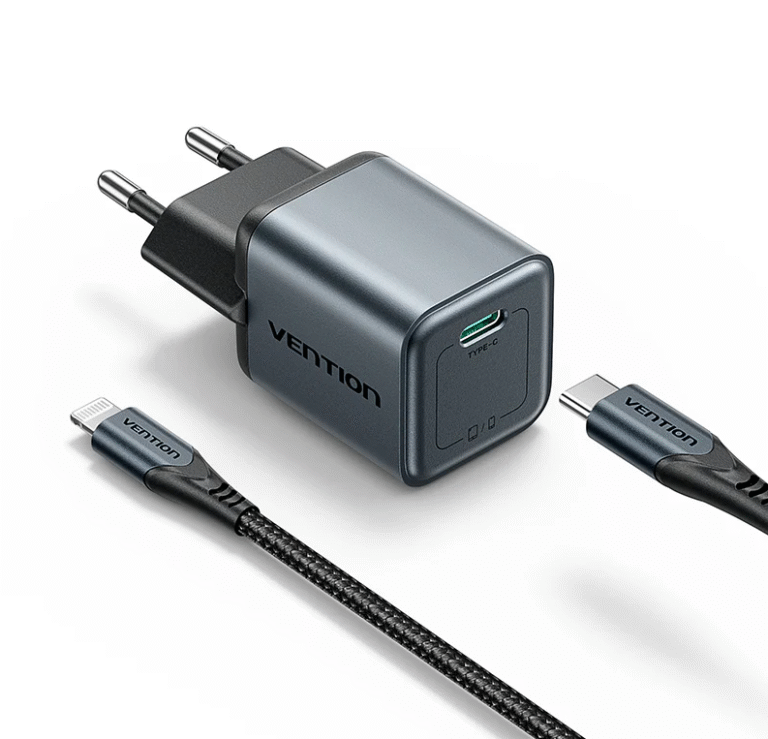
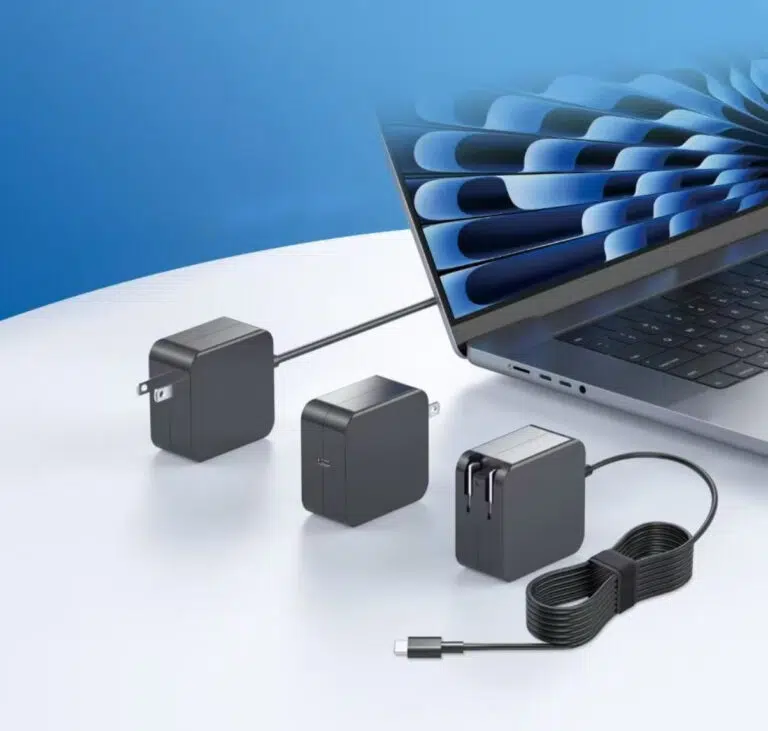
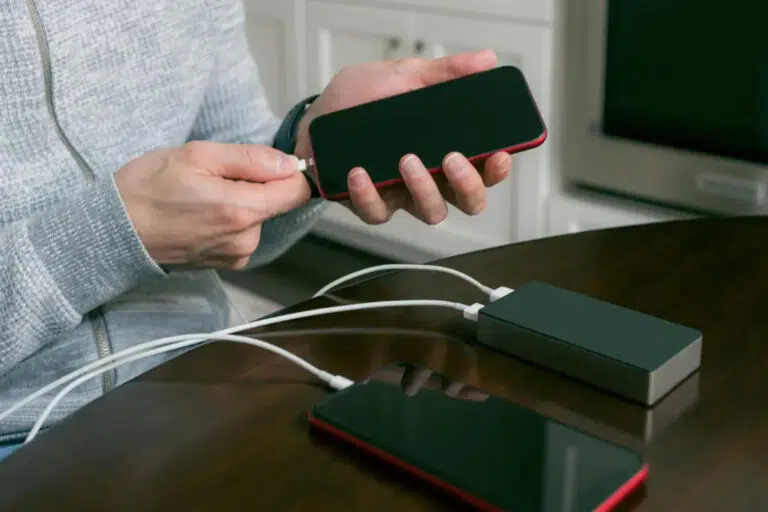
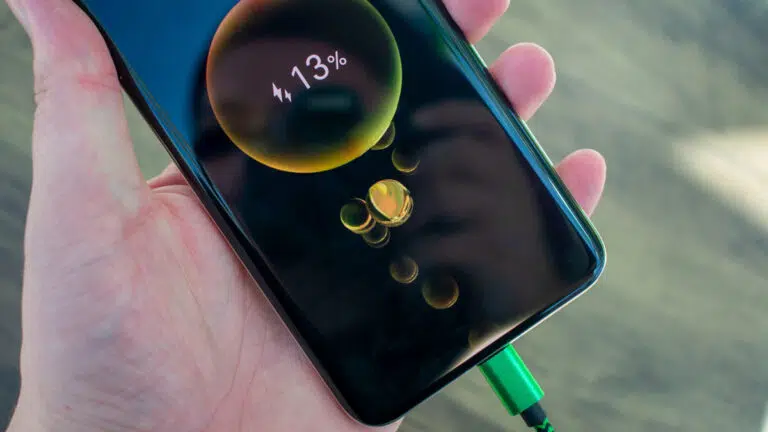
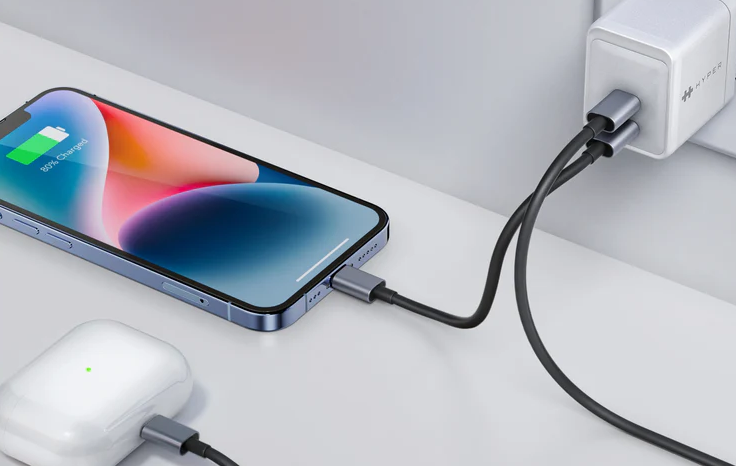
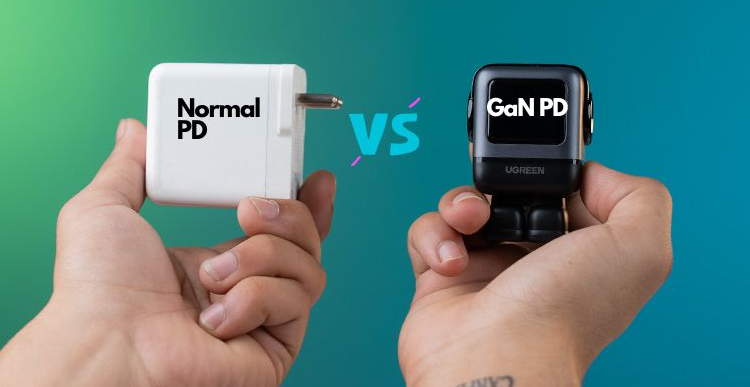
Mobile phone charging and data transmission protocols are the invisible rules that decide how fast, how safely, and how compatibly your devices charge and communicate. From wired fast-charging standards (USB PD, Qualcomm QC, Huawei FCP/SCP, OPPO VOOC, Xiaomi Turbo Charge) to wireless standards (Qi, Qi2, MagSafe), each protocol negotiates voltage, current, and data between charger, cable, and device.
(Last modified date: September 2, 2026)
What are mobile phone charging transmission protocols? They are the standards that govern how chargers, cables, and devices negotiate voltage, current, and data. Fast-charging protocols (USB PD, QC, FCP/SCP, VOOC) raise voltage or current to shorten charge time; wireless standards (Qi/Qi2) use electromagnetic induction; data protocols (USB, Bluetooth, Wi-Fi Direct) are separate but share the same ports.
Key Takeaways
- Fast-charging protocols raise voltage or current (or both); each brand has its own implementation.
- USB PD is the universal standard for phones, laptops, and tablets; Apple relies on PD for wired fast charging.
- Wireless charging uses Qi/Qi2 electromagnetic induction; Qi2 adds magnetic alignment for higher efficiency.
- Data protocols (USB 2.0/3.x, Bluetooth, Wi-Fi Direct) are separate from charging protocols but share the same ports.
- Matching your device’s protocol and using certified accessories is the safest path to full speed.
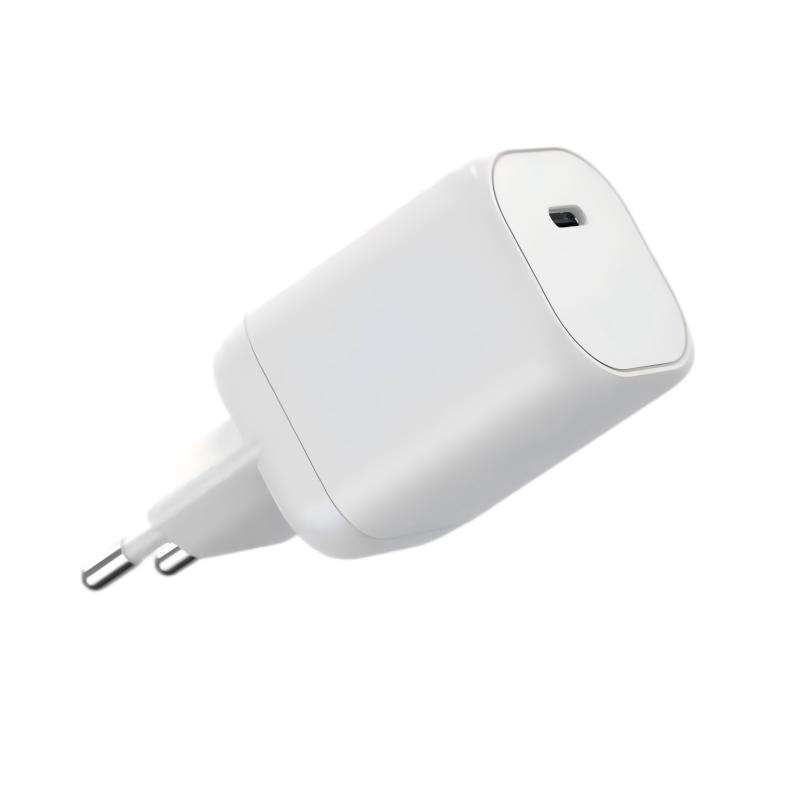
Mobile Phone Fast-Charging Protocols
Fast-charging protocols achieve faster charging by increasing voltage or current. Mainstream protocols include Huawei’s FCP and SCP, Qualcomm’s QC, OPPO’s VOOC, and Xiaomi’s Charge Turbo. Each has its own characteristics, but the common goal is shorter charging time and a better user experience.
Wireless Charging Protocols
The wireless charging protocol lets phones receive power without cables. The most widely used standard is Qi, developed by the Wireless Power Consortium (WPC), supporting 5W to 15W for different scenarios. Qi2, the latest WPC standard, uses a magnetic power-distribution map to improve energy efficiency and speed, and is the foundation of Apple’s MagSafe-compatible charging.
USB PD Protocol
USB PD (Power Delivery) is a universal charging protocol supporting higher voltage and current output. It charges phones, laptops, tablets, and other devices, with broad compatibility across the USB-C ecosystem—making it the de facto standard.
Data Transmission Protocols
- USB: the most common data-transfer protocol; versions 2.0, 3.0, and 3.1 offer different rates and features.
- Bluetooth: short-range wireless communication with low power consumption, used for headphones, speakers, and smartwatches.
- Wi-Fi Direct: device-to-device wireless data exchange without a hotspot, offering high data rates over longer distances.
Charging Protocols of Popular Mobile Phone Brands
- Apple: relies on USB PD (iPhone 8 series onward, peak up to 27W on iPhone 13/14/15 Pro Max), Lightning interface, MagSafe wireless, and Qi/Qi2 support.
- Huawei: FCP (18W, 9V/2A) and newer SCP (22.5W and 40W high-current), plus USB PD, QC, and Qi support.
- Xiaomi: Qualcomm QC plus proprietary Turbo Charge.
- Samsung: Adaptive Fast Charging plus USB PD.
- OPPO: proprietary VOOC and SuperVOOC with temperature regulation, plus USB PD.
- Vivo: Qualcomm Quick Charge 2.0 and additional protocols.
- Honor: shares Huawei’s FCP/SCP protocol family.
- OnePlus: Warp Charge, achieving high-speed charging at low temperatures.
- ZTE, LG, HTC, Nubia, Philips: industry-standard QC and PD with brand-specific optimizations.
Conclusion
Charging and transmission protocols evolve with technology and market changes, so check your device’s supported standards before buying. For reliable speed and safety, choose certified chargers and cables that match your phone’s protocol—whether USB PD for Apple and most laptops, QC for Qualcomm-based devices, or a brand-specific protocol for the fastest top-up.
FAQs
What is the difference between a fast-charging protocol and USB PD?
A fast-charging protocol is any standard that raises voltage or current to charge faster; USB PD is one such universal standard that also covers laptops and tablets, while QC, VOOC, FCP, and SCP are brand-specific alternatives.
Does Apple support USB PD fast charging?
Yes. iPhones from the iPhone 8 series support USB PD, with peak measured power up to 27W on iPhone 13/14/15 Pro Max models, providing over 50% charge in about 30 minutes with a compatible PD charger.
What is the difference between Qi and Qi2 wireless charging?
Qi is the base WPC standard using electromagnetic induction (5–15W). Qi2 adds a magnetic power-distribution map for better alignment and efficiency, and is the basis of MagSafe-compatible charging at up to 15W.
Which is faster: Huawei FCP or SCP?
SCP is faster and newer. FCP delivers 18W (9V/2A), while SCP supports 22.5W and 40W at higher currents.
Can I use a third-party charger with a brand-specific protocol phone?
Usually yes, but at the protocol speed both sides support. For the fastest charging, use the brand’s certified charger or a PD/QC charger matched to the device’s supported profile.
Why does my phone charge slowly with a universal PD charger?
Because the phone only draws as much power as its internal protocol negotiation allows. If the phone uses a proprietary protocol (VOOC or Turbo Charge), a generic PD charger falls back to standard PD or QC speeds.
This article is part of Phone Chargers, the guide that covers this topic in decision order.
Related Articles
- USB PD vs PPS: Which One Charges Faster?
- A Brief Guide To PD Fast Charging Protocol
- How Does a PPS Charger Work?
Official Resources
References
- Protocol details follow the original article; verify current specifications with device manufacturers.