Most charger wattage questions get answered with a number ("get a 65W charger") instead of a method. The device-list method fixes that: write down the devices you actually charge, map their maximum charging power, add headroom for multi-device use, and let the budget choose the charger.
Why wattage is only part of the answer
Wattage sets the ceiling, but the device decides the actual speed through USB Power Delivery negotiation. A 65W charger feeding a phone that requests 20W delivers 20W. That is why the right question is not "how many watts should I buy" but "what does my device list need."
The negotiation happens in milliseconds: when you plug in, the device reads the charger's capability over the USB-C connection and requests a specific voltage and current profile. A phone that supports 20W will request 20W whether the charger can deliver 30W or 100W; a charger with weak protocol support may only offer fixed profiles the device accepts at a lower rate. That is why two chargers with the same wattage can charge the same phone at different speeds — the protocol table, not the wattage label, decides the real number.
Build a list of the devices you actually charge
Start with the real list: phone, tablet, earbuds, smartwatch, laptop, camera, portable fan. Most people overbuy because they imagine charging everything at once, but the honest list is usually two or three devices on a normal day.
Resist the temptation to include every device you own; include only what charges on a typical day. A phone, earbuds and a tablet cover most households; adding a camera, speaker and handheld console inflates the budget and pushes you into a bigger, heavier charger than you will carry. Review the list after two weeks of real use and adjust — the honest list is the one that matches your routine, not your toy collection.
Map each device's maximum charging power
Each device has a maximum it will accept. Phones typically negotiate 15–45W, tablets 20–45W, earbuds 5–10W, and laptops 45–100W+. Check the device spec or the fast-charge guidance from the manufacturer rather than guessing.
A useful shortcut: phones rarely need more than 30W even when they accept more, tablets top out around 45W for large models, and laptops span 45–140W depending on processor and screen size. Write the negotiated value, not the charger's rating, next to each device on your list. If a device page is vague, the manufacturer's fast-charge documentation or a USB-C power meter during a charging session gives you the real number in minutes.
Add headroom for multi-device use
If two devices charge at once, the charger splits its capacity between ports. Add the two highest simultaneous needs, then add 20–30% headroom so the charger is not running at the edge. A phone (20W) plus tablet (30W) with headroom lands around 60–65W.
Sequential charging — phone in the morning, tablet at night — only needs the single-device budget. Simultaneous charging is where the budget grows: a 65W dual-port charger typically delivers 45W + 20W or similar, which fast-charges a phone and a tablet at once but not both at their individual maximums. If your routine includes two phones plus earbuds on one brick, plan for the sum of the two largest devices and treat the third as a trickle-charge passenger.
Turning the budget into a charger choice
Once you have the number, match it to the product line: 20–30W for a phone-only charger, 45–65W for phone plus tablet, 65–100W for phone plus laptop, and 100W+ for heavy multi-device setups. The table below covers the common mixes.
Example budgets for common household mixes
| Device mix | Peak simultaneous need | Suggested charger |
|---|---|---|
| Phone only | 20W | 20–30W |
| Phone + earbuds | 25W | 30–35W |
| Phone + tablet | 45W | 45–65W |
| Phone + tablet + earbuds | 50W | 65W |
| Phone + laptop | 80W | 85–100W |
| Everything at once | 120W+ | 140W multi-port |
The example budgets assume simultaneous charging, which is the conservative case. If your routine is sequential, a 30W charger is often enough for a phone-plus-tablet household. The budget method works either way: compute for the simultaneous case if you want one charger for everything, and for the sequential case if you are choosing a compact travel charger for single-device use.
Wattage table for common phone and tablet models
As a starting point, most current iPhones fast charge with 20W or higher, recent Samsung flagships benefit from PPS-capable 25W or 45W chargers, and tablets generally accept 20–45W. Always confirm with the device's official specs before finalizing a lineup.
Vendor wattage tables deserve a skeptical read: manufacturers list the maximum their device accepts, not what it sustains, and marketing often rounds up or quotes a profile the device only reaches under specific conditions. Cross-check three sources before trusting a number: the device's official spec, an independent review with a power meter, and the charger's protocol table. When the three disagree, the measured value wins. For tablets, remember the display is the biggest load — a tablet charging while the screen is on at full brightness draws more than the same tablet asleep, which is why a 20W charger that comfortably fills a Mini overnight can barely hold a Pro in use. Publishing this caveat alongside a wattage table makes the table more useful, not less.
How to measure your own charging needs
The empirical method: use a USB-C power meter between charger and device, or check the device's battery settings during charging, and note the peak wattage for each device. One week of notes gives you a real budget instead of a guess.
Headroom for future devices
Phones and tablets tend to accept more power over time. GaN charger technology keeps adding power without growing size, so buying a charger with one tier of headroom (e.g., 30W for a 20W phone) keeps the charger useful across upgrade cycles without overpaying today.
Common miscalculations and myths
- "Bigger is always faster": the device caps the speed; a 100W charger is not faster on a 20W phone.
- "Add all devices' wattage": you only need the simultaneous peak, not the sum of everything.
- "Output wattage is input wattage": chargers draw a little more from the wall than they output due to conversion loss.
The myths persist because marketing encourages them: a "100W" charger sounds strictly better than a "30W" one, and few listings explain that the phone caps the speed. Add the confusion around PPS profiles and proprietary protocols, and it is easy to see why buyers either overbuy wattage or buy a charger whose protocol list does not match their devices. The device-list method sidesteps all of it: the budget comes from your devices, not from the biggest number on the box.
Turning your budget into a purchase decision
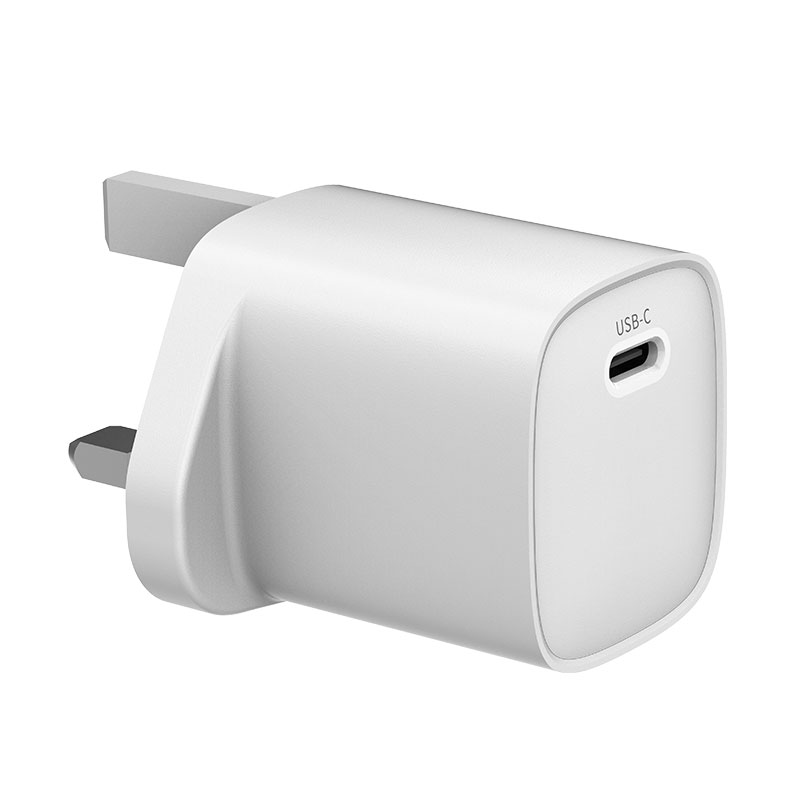
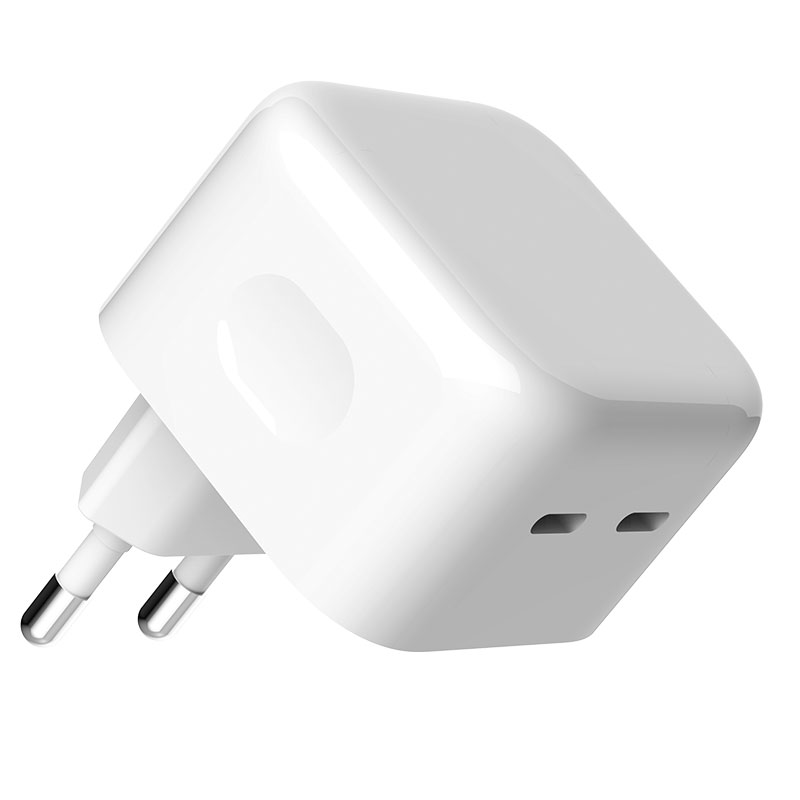
Use the budget to pick a GaN charger line that matches: compact single-port models for phone-only users, dual-port 30–35W units for phone plus earbuds, and 65W+ multi-port bricks for households and travelers. A 35W GaN/PD charger covers the most common phone-plus-earbuds scenario, while a 33W WEG-33W-1A keeps the phone-only SKU small.
Once the budget is set, the remaining decisions are protocol and ports: confirm the charger supports the fast-charge protocols your devices use (PD, PPS, or a proprietary standard), and choose port count from the simultaneous-use scenario. The wattage budget answers "how much," but protocol support answers "how fast on my devices" — buy for both, not just the number.
FAQ
How do I calculate what wattage charger I need?
List the devices you charge at the same time, add their peak charging power, and add 20–30% headroom. Match the total to the nearest charger tier.
Does a higher-wattage charger charge my phone faster?
Only up to the phone's limit. The phone negotiates the power it accepts, so a 100W charger is not faster than a 30W charger on a phone that requests 20W.
What wattage charger do I need for a phone and tablet?
Around 45–65W covers simultaneous phone and tablet charging with headroom. If the tablet is large, size toward 65W.
Is a phone charger's output wattage the same as its wall draw?
No. Chargers draw slightly more from the wall than they output because of conversion losses — about 10% more at typical efficiency.
Building a charger lineup or choosing wattages for your market? Send your device mix and volume plans to our team through the contact page — we will help you map the right wattage tiers to your SKUs.
This article is part of Phone Chargers, the guide that covers this topic in decision order.