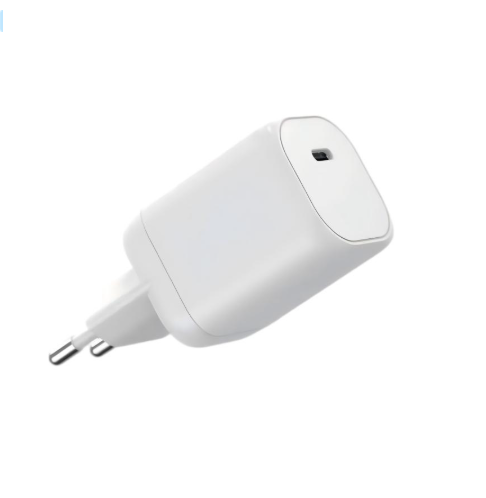
A charger kit is incomplete if the cable in the box cannot carry the power the brick is sold for. This page is a kit-specification article for OEM buyers. It complements existing e-marker, voltage-drop and 5 A EPR articles on this site, and it links them rather than repeating them. It frames WECENT as a charger OEM discussing a kit, not as a standalone cable factory. Current, e-marker and EPR names belong in the RFQ, and they should be confirmed against current USB-IF documents and on samples.
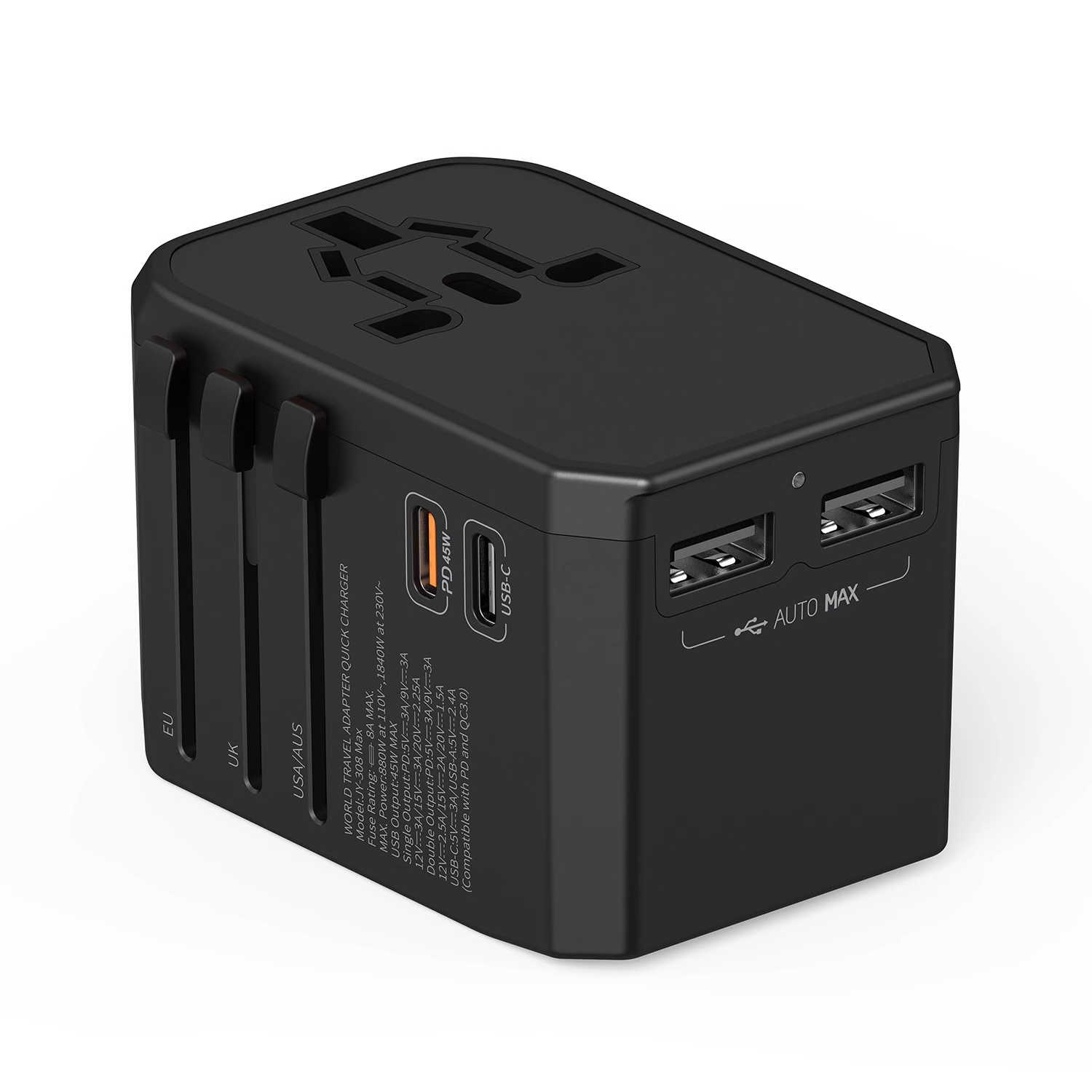
Kit context is in travel chargers and plug adapters and in the travel charger category.
The cable as part of the charger kit, not an afterthought on a landed-cost sheet
The cable is part of the charger kit, not an afterthought on a landed-cost sheet. The kit specification must name current, e-marker and, where relevant, EPR, and pair those with the brick. A 100 W or 240 W headline on the charger is incomplete if the cable in the box cannot carry that power.
A landed-cost sheet that substitutes a thinner, unmarked cable after a sample approval is a different kit. Write the cable as a controlled part, with a manufacturer, a rating and a way to inspect it, before you agree a price.
E-marker, 5A and 240W EPR: what the kit specification must name
The kit specification must name, at least: whether the cable has an e-marker, the current rating (including whether 5 A is required), the voltage the cable is intended for, and whether an Extended Power Range (EPR) cable is required for the brick you are selling. This page does not reprint USB-IF tables. For how e-marker and 5 A cables work, use the existing article on e-marker chips and 5 A cables. For laptop and 240 W cable requirements, use laptop charging cables, 5 A, EPR and 240 W. Re-verify the current official wording on USB-IF documents, including the USB Type-C cable and connector specification in the edition that is current at the time of your RFQ.
Related USB-IF pages that a kit file should also open are USB-IF documents and USB-IF compliance. If the kit includes a mains charger, safety-report context is on the IECEE CB Scheme, and a European low-voltage framework is in Directive 2014/35/EU. Efficiency rules, where they apply to the brick, are summarised by the U.S. Department of Energy.
Pairing 100W, 140W and 240W bricks with the correct cable — a table a buyer can fill
Pairing is a worksheet, not a slogan. Fill the table below for each kit SKU, against the brick you will ship and against the official cable rating, then confirm on a sample. A 100 W-class brick, a 140 W-class brick and a 240 W-class brick will not automatically share one cable. This article will not invent a mandatory pairing as a WECENT fact; the official documents and a measured cable decide.
| Kit SKU (buyer fills) | Brick wattage and voltage, as specified | Cable current, e-marker, EPR (buyer fills from official rating and a sample) | Confirmed on a sample? |
|---|---|---|---|
| 100 W-class kit | |||
| 140 W-class kit | |||
| 240 W-class kit | |||
| Travel-kit SKU with a lower USB rating |
A travel-catalog 45 W or 65 W kit still needs this row. A lower wattage is not a reason to leave the cable unspecified. If a channel later upsells a 100 W brick into the same pouch design, the cable rule must be reviewed, not inherited.
Incoming inspection: e-marker read-out, conductor gauge and voltage-drop, with links to existing cable articles
Incoming inspection should include an e-marker read-out where an e-marker is required, a check that the conductor and the connector match the approved part, and a voltage-drop measurement at the intended current. The method for voltage drop is in the existing article on USB-C cable voltage drop; this page does not repeat it. Record the cable lot against the kit lot. A visual “it looks like the sample” check is not an e-marker inspection.
How to frame this article so WECENT is not described as a cable factory unless that is verified
WECENT is framed here as a charger OEM that must specify the cable in a kit. This article will not describe WECENT as a standalone cable factory. A buyer who needs a cable-only program should treat that as a separate sourcing question, with its own factory and its own quality file. The travel and charger pages on this site are charger-catalog pages, not a cable-factory claim.
Packaging a kit so the wrong cable cannot be swapped on a pick line
A pick line will swap a cable if the pouch accepts any USB-C lead of a similar length. Specify a bag, a label, a colour-tie or a kitted sub-pack that identifies the approved cable, and an end-of-line check that the e-marker or the part number matches. A shared travel pouch across a wattage ladder, as discussed in a companion brand-architecture article, makes this control more important, not less.
Retail and workstation-bundle claims that fail when the cable is omitted
A retail carton or a workstation bundle that claims 100 W, 140 W or 240 W, and that omits a cable able to carry that power, is a claim that will fail at first use. If the cable is sold separately, the pack and the website must say so, and must name the required rating. If the cable is in the box, it must be the rated part, not a decorative lead. Marketplace listings should follow the same rule.
Spare-cable SKUs and after-sales
Plan a spare-cable SKU that matches the approved part, with the same e-marker and current rating, and a way for after-sales to identify it. A “USB-C cable” spare that is a different construction will create a field failure that looks like a charger failure. Write the spare in the RFQ, including packaging and a revision mark.
A kit RFQ appendix for cables
Attach a cable appendix to the charger RFQ: part identity, manufacturer, length, e-marker, current, voltage, EPR if required, colour and connector finish, incoming-inspection method, pick-line control, spare SKU, and a prohibition on substitution without a written approval and a new sample. Point to the three existing cable articles above for technical background, and to the current USB-IF edition for official definitions. The 65 W and other travel products can be named as the intended bricks, once their published maps are consistent.
Counterfeit and no-name cable risk in a high-power kit
High-power kits attract counterfeit and no-name cables: a printed 240 W legend, no reliable e-marker, a conductor that will not carry the current, a connector that fails early. Source the cable as a controlled part, inspect it, and do not fill a late shortage from an unmarked lot. A charger factory’s good brick will not rescue a bad cable, and the return will still carry your brand.

Conclusion
Specify the USB-C cable as a controlled part of the charger kit: name e-marker, current and EPR where relevant, fill a pairing table against official ratings, inspect incoming cables, and stop a pick-line swap. Use this site’s existing cable articles for the technical background, and do not describe WECENT as a cable factory.
If your team is specifying a charger kit and wants to discuss a cable appendix against a live travel or GaN SKU, you can send that scope through the OEM and ODM page. This is a request for a project discussion.
FAQ
What must a charger-kit specification say about the USB-C cable?
It must name whether the cable has an e-marker, the current rating including whether 5 A is required, the intended voltage, and whether an EPR cable is required for the brick you are selling. Pair those fields with the brick in a table a buyer can fill, and confirm them against current USB-IF documents and on a sample. This site’s existing articles on e-marker and 5 A cables, voltage drop, and laptop 5 A EPR cables provide the technical background; this page does not repeat them. A landed-cost substitution after sample approval is a different kit.
Can one cable serve a 100 W, a 140 W and a 240 W brick?
Not automatically. Fill a pairing table for each kit SKU against the official cable rating and a sample. A 100 W-class brick, a 140 W-class brick and a 240 W-class brick will not automatically share one cable. This article will not invent a mandatory pairing as a WECENT fact. If a channel later puts a higher-wattage brick into the same pouch design, the cable rule must be reviewed, not inherited. A travel kit with a lower USB rating still needs its own row; a lower wattage is not a reason to leave the cable unspecified.
How should incoming inspection treat a kit cable?
Incoming inspection should include an e-marker read-out where an e-marker is required, a check that the conductor and the connector match the approved part, and a voltage-drop measurement at the intended current, using the method in this site’s existing voltage-drop article. Record the cable lot against the kit lot. A visual “it looks like the sample” check is not an e-marker inspection. A pick line should also be designed so the wrong cable cannot be swapped into a shared pouch without a label or an end-of-line check.
Is WECENT a cable factory for the purpose of this kit article?
This article frames WECENT as a charger OEM that must specify the cable in a kit. It will not describe WECENT as a standalone cable factory. A buyer who needs a cable-only program should treat that as a separate sourcing question, with its own factory and its own quality file. The travel and charger pages on this site are charger-catalog pages, not a cable-factory claim. Spare-cable SKUs should still match the approved part, so a field failure is not created by a different construction.
{
“@context”: “https://schema.org”,
“@type”: “FAQPage”,
“mainEntity”: [
{
“@type”: “Question”,
“name”: “What must a charger-kit specification say about the USB-C cable?”,
“acceptedAnswer”: {
“@type”: “Answer”,
“text”: “It must name whether the cable has an e-marker, the current rating including whether 5 A is required, the intended voltage, and whether an EPR cable is required for the brick you are selling. Pair those fields with the brick in a table a buyer can fill, and confirm them against current USB-IF documents and on a sample. This site’s existing articles on e-marker and 5 A cables, voltage drop, and laptop 5 A EPR cables provide the technical background; this page does not repeat them. A landed-cost substitution after sample approval is a different kit.”
}
},
{
“@type”: “Question”,
“name”: “Can one cable serve a 100 W, a 140 W and a 240 W brick?”,
“acceptedAnswer”: {
“@type”: “Answer”,
“text”: “Not automatically. Fill a pairing table for each kit SKU against the official cable rating and a sample. A 100 W-class brick, a 140 W-class brick and a 240 W-class brick will not automatically share one cable. This article will not invent a mandatory pairing as a WECENT fact. If a channel later puts a higher-wattage brick into the same pouch design, the cable rule must be reviewed, not inherited. A travel kit with a lower USB rating still needs its own row; a lower wattage is not a reason to leave the cable unspecified.”
}
},
{
“@type”: “Question”,
“name”: “How should incoming inspection treat a kit cable?”,
“acceptedAnswer”: {
“@type”: “Answer”,
“text”: “Incoming inspection should include an e-marker read-out where an e-marker is required, a check that the conductor and the connector match the approved part, and a voltage-drop measurement at the intended current, using the method in this site’s existing voltage-drop article. Record the cable lot against the kit lot. A visual “it looks like the sample” check is not an e-marker inspection. A pick line should also be designed so the wrong cable cannot be swapped into a shared pouch without a label or an end-of-line check.”
}
},
{
“@type”: “Question”,
“name”: “Is WECENT a cable factory for the purpose of this kit article?”,
“acceptedAnswer”: {
“@type”: “Answer”,
“text”: “This article frames WECENT as a charger OEM that must specify the cable in a kit. It will not describe WECENT as a standalone cable factory. A buyer who needs a cable-only program should treat that as a separate sourcing question, with its own factory and its own quality file. The travel and charger pages on this site are charger-catalog pages, not a cable-factory claim. Spare-cable SKUs should still match the approved part, so a field failure is not created by a different construction.”
}
}
]
}