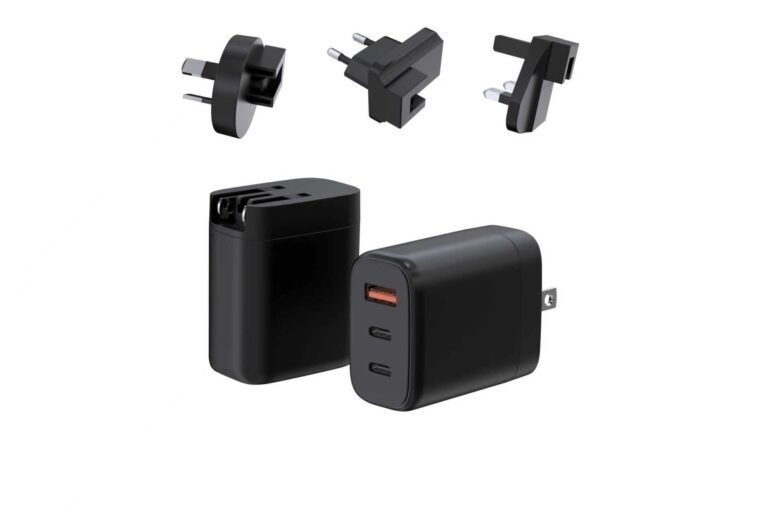
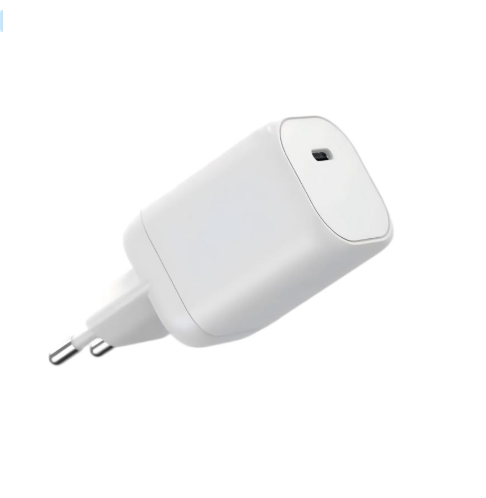
A Class 2 power supply is a low-power, limited-output supply built to UL 1310, and it is one of the most common safety ratings in consumer electronics — but it is routinely confused with Class II insulation. This guide separates the two, explains what the Class 2 symbol means on a label, and tells OEM buyers what to specify.
What Is a Class 2 Power Supply?
Class 2 refers to a limited-power output defined by UL 1310 and the US National Electrical Code: the supply delivers low voltage and limited current, so the output side is considered safe from fire and shock hazards under defined conditions. Typical Class 2 outputs are 5V, 9V or 12V with a few amps. It is the rating you see on most phone chargers, LED power adapters and small electronics bricks.
UL 1310 and the “Class 2” Rating Explained
UL 1310 sets the limits for Class 2 power units — maximum output voltage, power and current under both normal and abnormal conditions. Products built to it carry the Class 2 mark and are exempt from some of the wiring requirements applied to higher-power supplies. For the exact limits, UL Solutions publishes the standard, and Intertek has compliance guidance for manufacturers.
Class 2 vs Class II: Don’t Confuse the Two
The two terms sound alike and mean different things: Class 2 is a power/output limit (UL 1310), while Class II describes double insulation between the user and live parts (IEC 61140). A supply can be both, neither, or one of the two. Confusing them causes real specification errors — check the standard, not the spelling.
Where Class 2 Power Supplies Are Used (LED, Medical, IT)
Class 2 is the default rating for LED adapters, phone chargers, small appliances and many IT accessories, because the limited output simplifies installation and compliance. In medical-adjacent and lighting products it is common as the power input stage, though medical equipment adds its own requirements — see our guide on choosing a medical power supply manufacturer.
What the Class 2 Symbol Means on a Label
On a label, Class 2 is usually stated as text (“Class 2 Power Unit”) or marked with the UL symbol and the standard number, while Class II uses the double-insulation square-in-square symbol. If a label is unclear, ask the supplier for the certificate — it should reference the exact model and the standard edition, as our CE/FCC/RoHS guide for OEM explains how to verify documentation.
How OEM Buyers Specify Class 2 Outputs
When you brief a factory, specify the output voltage and current, the Class 2 requirement (UL 1310) for the target market, and the regional marks you need. At a 200 pcs MOQ you can validate the model first, then scale. The OEM/ODM page covers the process, and the GaN charger product line shows the range of certified platforms.
Class 2 Power Supply Examples and Typical Specs
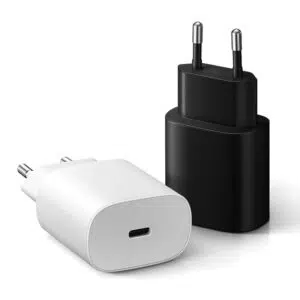
Class 2 ratings show up in products you already use every day. Recognising them makes it easier to read a spec sheet and know what to expect.
- Phone chargers — 5V/1–3A outputs are the classic Class 2 profile.
- LED adapter — 12V or 24V constant-voltage drivers for LED strips and panels.
- Small appliances — routers, modems, cameras and smart-home hubs.
- Medical-adjacent inputs — the front-end supply for low-risk equipment, before the medical-rated stage.
The common thread is low voltage and limited power — which is exactly what Class 2 limits are designed to guarantee.
Class 2 vs Class 1 vs Class 3 Power Supplies
The NEC power classifications are easy to mix up, and the difference changes how a product can be installed and used.
- Class 1 — a conventional power circuit with no special power limit; wiring and protection follow normal electrical rules.
- Class 2 — a limited-power output defined by UL 1310; considered safe from fire and shock under defined conditions.
- Class 3 — a middle tier with higher voltage limits than Class 2 but still restricted; used where slightly more power is needed and wiring is controlled.
Most consumer adapters target Class 2 for its simpler installation rules; Class 3 appears when a product needs more power than Class 2 allows.
How to Read a Class 2 Power Supply Label
A label tells you whether the supply really is Class 2 and what it can deliver. Three lines matter.
- Output rating — voltage and current, for example “5V 2A”; this is what your device needs to match.
- Class 2 wording — “Class 2 Power Unit” or the UL mark with the standard reference; without it, do not assume the rating.
- Input range — “100–240V” means the supply works worldwide with the right plug.
If the label is unclear, ask the supplier for the certificate — it should name the exact model and the standard edition.
FAQ
Is Class 2 the same as double insulation? No — Class 2 is a power/output limit (UL 1310); Class II is an insulation design.
Can a Class 2 supply power a medical device? It can be the input stage, but medical equipment needs its own standard (IEC 60601) on top.
How do I know if my adapter is Class 2? Check the label or the UL certificate for the “Class 2” wording or UL 1310 reference.
Do Class 2 supplies still need CE/FCC? Yes — Class 2 is an additional rating, not a replacement for market certifications.
Where can I source a Class 2 adapter? MOQ from 200 pcs with logo customization — start on the contact page.
Reference: Wikipedia’s Class 2 power supply article, UL Solutions for UL 1310, and Mouser for component-level power supply guides.
Further reading: IEC, Texas Instruments.
This article is part of Charger OEM & Wholesale, the guide that covers this topic in decision order.