Pixel phones charge over USB PD with PPS, and their requirements have been stable across recent generations: 18–30W wired, USB-C cables, and optional Qi wireless. This guide covers the wattage, protocols and accessories a Pixel user actually needs.
Pixel charging power across generations
Recent Pixel models fast charge at 18–30W over USB PD; higher-end generations support 30W-class charging, while smaller models cap lower. The trend has been consistent — a 30W PPS charger covers current Pixels at their maximum.
Pixel's wattage has been remarkably stable: most generations land in the 18–30W band, with larger models at the top and smaller ones lower. The stability makes the buying decision simple — a 30W PD + PPS charger covers current Pixels at their maximum — and it means the charger market for Pixel users is about quality and size, not wattage chasing.
PD and PPS requirements for Pixel phones
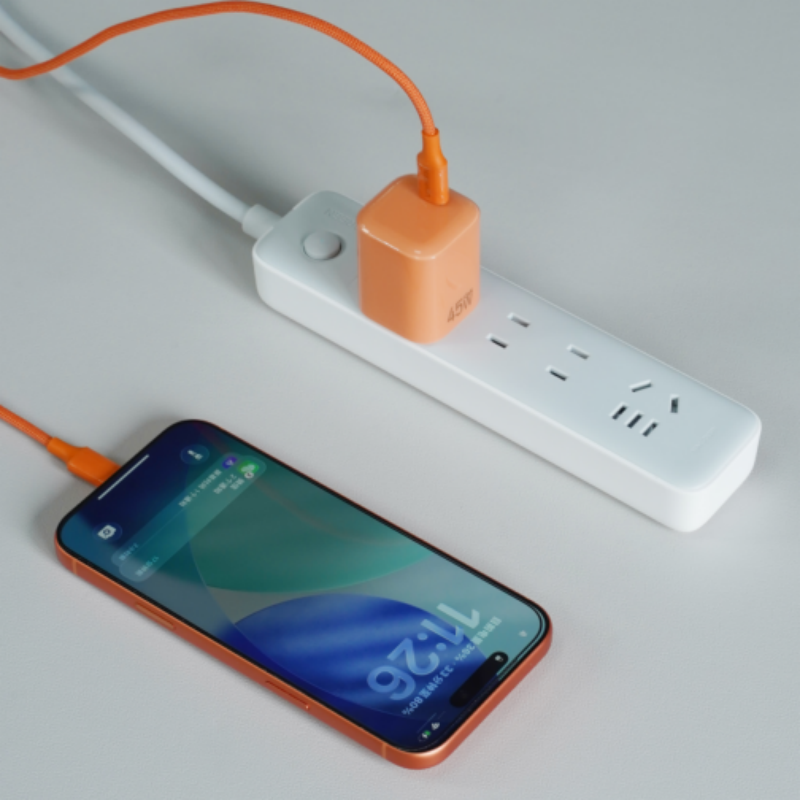
Pixel phones negotiate over USB PD and use PPS for adaptive fast charging. A PD + PPS charger delivers the phone's advertised speed; a PD-only charger still works but may charge at a reduced rate.
Pixels use USB PD as the base protocol and PPS for adaptive fast charging, so the correct spec is the same PD + PPS combination recommended for Samsung. The practical difference is the power window: Pixel requests are generally lower than Samsung flagships, so a 30W PPS charger is enough. A PD-only charger still works but may charge below the phone's advertised fast-charge rate.
Pixel's PPS implementation is conservative by design, favoring temperature control over peak speed. The practical consequence is that a high-wattage charger rarely changes the Pixel experience — the phone asks for what it wants and the extra capacity sits unused. Buying guidance should say this plainly: 30W is the ceiling for most Pixels, and larger chargers serve the rest of your devices, not the phone.
Choosing wattage for Pixel plus laptop
For a Pixel plus a laptop, a 65W multi-port charger covers both: one port at 45W for the laptop and another at 18–30W for the phone. The WEG-33W-1A handles phone-only users; 65W+ adds the laptop.
For a Pixel plus laptop, the allocation matters more than the total: a 65W charger delivering 45W to the laptop and 18–30W to the Pixel covers both. If the laptop is heavy, step to 100W. The same combined-output logic applies to any two-device setup — size the brick for the simultaneous draw, then confirm the per-port numbers in the table.
Cable requirements for full speed
Pixels use USB-C, so a quality USB-C-to-C cable rated for the negotiated current is required. Most 60W-rated cables work; damaged or data-only cables silently cap the speed — the same USB-C cable rules that apply to any fast-charging device.
Cable requirements for Pixel are the same as any PD device, but two mistakes are common enough to name: using a USB-A-to-C cable, which caps the session at USB-A current levels, and using a long thin USB-C-to-C cable, which drops voltage under load. For full Pixel speed, use a USB-C-to-C cable rated for 60W or higher and shorter than 2 meters when possible. The cable test is the same as the charger test: measure delivered wattage with a meter and replace anything that sags. Because Pixel charges at modest wattage, many cables work fine, but the marginal ones show up exactly when the phone is hot or low, which is when users blame the wrong component.
Wireless charging options for Pixel
Pixel models support Qi wireless charging, and newer generations work with Qi2 accessories via magnetic cases. Wireless is slower than wired but convenient for desks and nightstands; pick a Qi-certified pad for reliable alignment.
Pixel wireless charging benefits from Qi2's magnetic alignment, which improves coil alignment and efficiency compared with free-position Qi pads. Not all Pixel models or cases are magnetic, so check compatibility before recommending a magnetic pad. Wireless remains slower than wired for Pixel; position it as convenience, not speed.
Sourcing chargers for a Pixel-focused line
For a Pixel-focused lineup, stock 30W PD + PPS as the core SKU — compact GaN platforms make it easy —, 18–25W for budget tiers, and 65W multi-port for Pixel-plus-laptop users. Certification and PPS support are the differentiators that prevent "slow charging" complaints.
For a Pixel-focused SKU, differentiate on size, ports and certification rather than wattage: a compact 30W single-port for phone-only users, a 45W dual-port for phone plus accessories, and a 65W multi-port for Pixel-plus-laptop setups. Verify PPS behavior on actual Pixel models in testing, because spec-sheet PPS support and real negotiation can differ.
How Pixel battery health features affect charging
Pixels include adaptive charging and battery-saver features that control the charging curve. These features work best with a charger that negotiates correctly — a PD/PPS charger lets the phone manage its own session as designed.
Pixel's adaptive charging learns the user's routine and holds the battery near 80% until morning, which changes what the charging curve looks like on overnight sessions. These features work correctly with any certified PD/PPS charger, but they make single-session wattage tests misleading if the phone is in adaptive mode. For testing, disable adaptive features or test from a low battery during the day.
Testing Pixel charging with third-party chargers
Test with the phone's charging indicator and a power meter: a Pixel at its ceiling shows the phone's fast-charge state and the meter reflects the negotiated wattage. Compare across chargers with the same cable and battery level for a fair result.
Pixel accessories that share one charger
Pixel buds charge over USB-C, and a Pixel Watch uses a dedicated wireless puck — all covered by one multi-port charger. A 45W dual-port handles phone plus buds; adding the watch puck needs just an extra USB-C port.
Regional plug variants for Pixel users
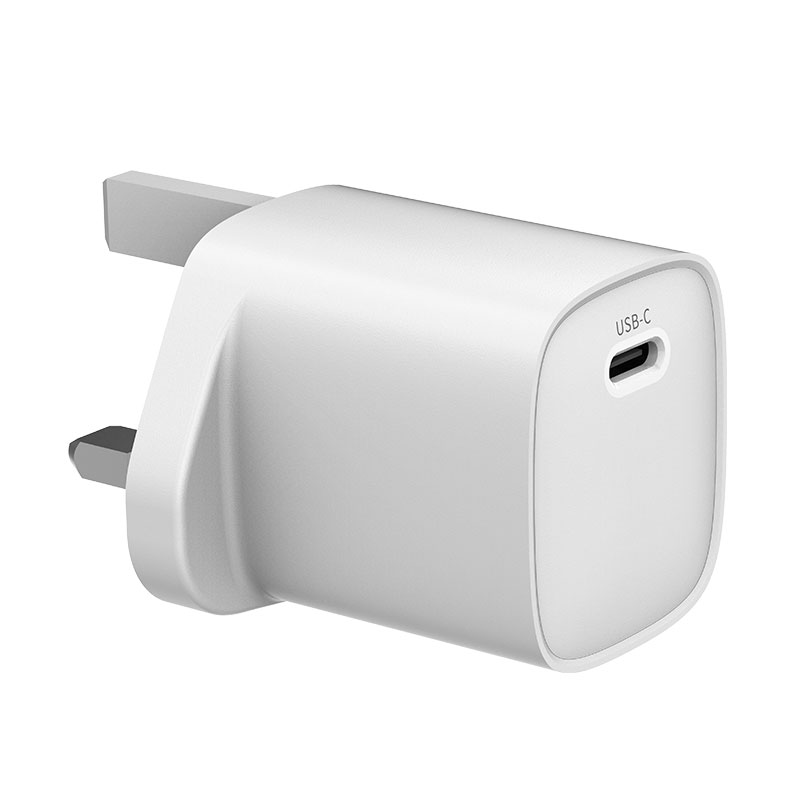
Pixels are sold globally, so chargers should ship with region-appropriate plugs or a multi-plug kit. Travel-friendly GaN chargers with EU/UK/US/AUS variants cover the main markets with one design.
Pixel's global footprint makes plug variants a product decision, not an afterthought: a single design with interchangeable EU/UK/US/AUS prongs covers the largest addressable market with one certified SKU. Certification per region (CE, FCC, and model-dependent marks) must be planned per variant. For sellers, the multi-plug SKU is the travel story; the single-plug SKU is the price story.
Avoiding common Pixel charging mistakes
- Using a PD-only charger and wondering why PPS fast charging is missing.
- Reusing a damaged cable that caps the speed.
- Assuming 45W+ charges a Pixel faster than 30W — most Pixels cap at 30W.
- Buying uncertified "fast charge" bricks without safety marks.
The most common Pixel charging mistakes are buying on wattage, ignoring PPS, and judging speed from the lock-screen indicator alone. The indicator confirms negotiation, not wattage; a power meter shows the actual number. Buyers also overlook that Pixel's adaptive charging changes the overnight curve, so an overnight test measures the phone's schedule, not the charger. For content teams, listing these mistakes converts into a helpful buying guide that positions the brand as the one that understands Pixel users. Each mistake has a one-line fix — 30W PD + PPS, quality cable, daytime test — and that brevity is what makes the guide quotable and shareable.
FAQ
What charger does a Google Pixel use?
A USB-C PD + PPS charger in the 18–30W range covers current Pixel models at their maximum speed.
Does Pixel support PPS charging?
Yes — Pixel phones use PPS for adaptive fast charging, so a PD + PPS charger is the correct choice.
Can I use a 65W charger with a Pixel?
Yes. The Pixel negotiates the power it needs (usually up to 30W), so a higher-wattage charger is safe — the extra capacity serves other devices.
Do Pixels charge wirelessly?
Most current Pixels support Qi wireless charging, and Qi2 accessories work with magnetic cases. Wired charging is faster.
Building a Pixel-compatible charger line? Send your target models to our team through the contact page — we can supply PD + PPS chargers verified with Pixel testing.
This article is part of Android & Multi-Device Charging, the guide that covers this topic in decision order.