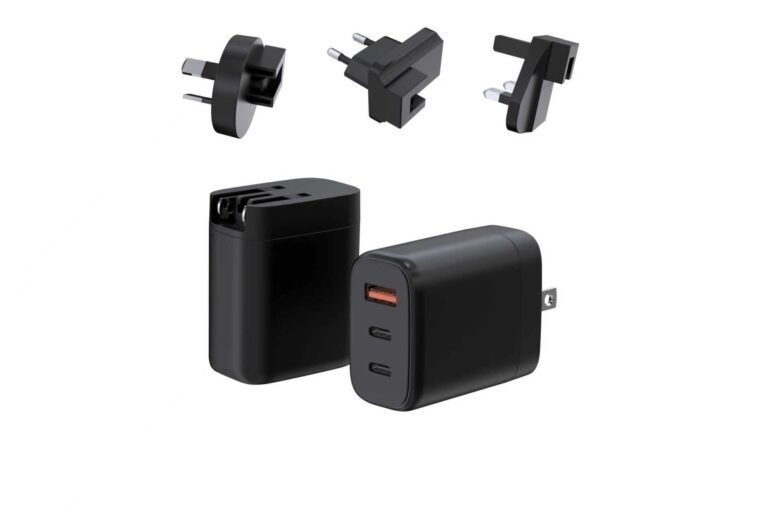
The wall charger versus charging station question has a simple rule: the device count decides the answer. One or two devices — a wall charger wins on simplicity. A phone, earbuds, a watch and a tablet — the station wins on order. This guide starts with the device count, covers the wall charger's simplicity, the station's desk order, the power, space and budget tradeoffs, and closes with a two-question selection rule.
Start With the Device Count
The device count is the decision's first input:
- One or two devices. A wall charger with one or two ports is enough.
- Three or more. The station's cradles and surfaces organize the set.
- The set grows. A charger that scales with the devices beats one that is replaced.
The count is also the future count: a desk that adds devices needs a setup that grows. The wall charger suits the minimal user; the station suits the family desk and the bedside trio.
Wall Chargers: Simple and Invisible
The wall charger's strengths are simplicity and invisibility:
- Minimal footprint. The charger lives in the outlet.
- No desk space. The cables reach the devices without a station.
- Travel-friendly. The same brick goes in the bag.
The wall charger is the right answer when the cables do not need organizing — a phone on the desk, earbuds beside it, one charger in the outlet. The simplicity is the product.
Charging Stations: Order for the Desk
The station's strength is order:
- Every device has a place. The phone stands, the watch docks and the earbuds rest.
- The cables disappear. The station manages the wiring.
- The scene reads. A tidy charging area is a visual product.
The station is the right answer when the devices deserve a home: the bedside trio, the family desk, the office setup. The order is the value, and the scene is the selling point.
Expert view — WECENT product team: The wall-brick-versus-station choice is a device-count decision with a lifestyle dimension. Two devices and a simple desk — the brick. Three devices and a visible spot — the station. The channel should ask the count first, because the count answers the question without a debate.
Power, Space and Budget Tradeoffs
| Dimension | Wall charger | Station |
|---|---|---|
| Power | One or two ports, modest total | More surfaces, higher total |
| Space | Minimal | Takes desk or nightstand space |
| Budget | Lower | Higher |
The tradeoffs follow the count: the station costs more and occupies space because it organizes more devices. The wall charger is the lean choice, and the station is the organized one. The budget and the space decide how much order the buyer wants to buy.
A Two-Question Selection Rule
- How many devices charge in this spot? Three or more points to the station.
- Does the setup need to look organized? A visible spot points to the station.
The two questions settle the choice: the device count and the visibility. A minimal desk with two devices gets the wall charger; a bedside or family spot with three or more gets the station. For a home setup, the GaN charger lineup lists the multi-port wall chargers, and the Wireless Charger Category shows the stations and docks. The WECENT charger specialists can recommend the combination for your channel.
The Scenario Walk
The decision becomes concrete with a scenario walk. The minimal desk — a phone and earbuds — gets the wall charger: one brick in the outlet, two cables, no clutter. The family desk — a phone, a tablet, a watch and earbuds — gets the station: every device in its place, the cables managed and the scene tidy. The bedside follows the same logic: the trio gets the station, and the single phone gets the wall charger.
The scenario walk is also the future check: a desk that adds devices needs a setup that grows. The buyer who walks the current scene and the likely next one chooses the hardware that lasts, and the walk is the difference between a purchase and a plan.
The Channel Advice
The channel's advice to the buyer is a two-question script: how many devices charge in this spot, and does the setup need to look organized. The answers point to the wall charger or the station, and the channel that asks the questions before showing the products earns the trust and the sale.
The channel advice also carries the line logic: a wall charger range and a station range serve both answers from one catalog, and the packaging tells the count and the scene. The advice, in the end, is the retail version of the two-question rule — and the rule is what keeps the buyer and the channel on the same page.
The Set-and-Setting Guide
The set-and-setting guide is the retail translation of the two-question rule: the set is the device count, and the setting is the room. The guide pairs the count and the room — the minimal office desk with the wall charger, the family nightstand with the station — and the pairing is the shelf advice.
The guide also carries the line logic: the wall charger range and the station range serve both pairs from one catalog, with the packaging telling the count and the scene. The guide, in the end, is the channel's answer sheet — the two questions and the two answers that close the sale.
The Final Answer
The wall-versus-station question closes with the final answer: count the devices, check the visibility and choose the form. The answer is the two-question rule in action, and it is the same answer for the desk, the nightstand and the office.
The final answer, in the end, is the buyer's shortcut: the count and the scene decide the purchase, and the channel's script repeats the rule. The charger or the station that fits the count and the scene is the one that wins.
The Set Examples
Two set examples make the rule concrete. The minimal set — a phone and earbuds on a small desk — is served by the wall charger: one brick, two cables, no clutter and no desk space taken. The family set — a phone, a tablet, a watch and earbuds on a shared nightstand — is served by the station: every device in its place, the cables managed and the scene tidy.
The set examples also show the middle ground: a desk with a phone, earbuds and a growing accessory set can use the multi-port wall charger first and upgrade to the station when the count crosses three. The examples, in the end, are the rule in action — the count and the scene decide the form.
The Room-by-Room Guide
The room-by-room guide applies the rule to the house: the entryway charger is a wall brick for the daily phone; the living room uses a multi-port wall charger for the family's devices; the home office earns the station when the desk hosts several devices; and the bedroom nightstand gets the station for the bedside trio. The guide pairs each room with the form that fits the count and the scene.
The room-by-room guide, in the end, is the retail and advice translation of the two-question rule: every room asks the same two questions, and every answer points to the same two forms. The guide is the whole decision.
The Practical Default
The practical default for most homes is the multi-port wall charger: it covers two or three devices without taking desk space, it travels and it costs less. The station is the upgrade the count earns when the devices deserve a visible home.
The practical default, in the end, is the recommendation that fits the average buyer: start with the wall charger, count the devices, and move to the station when the count and the scene ask for it. The default is the whole advice.
And the winner, in the end, is the form that fits the count and the scene.
For a home or desk, count the devices first — the form factor that fits the count is the one that stays in use.
Frequently Asked Questions
Wall charger or charging station for home?
Count the devices: one or two — the wall charger; three or more in a visible spot — the station.
What does a charging station organize?
The phone, earbuds, watch and tablet each get a place — the cradles and surfaces manage the set and the cables.
Is a station worth the extra cost?
When the devices deserve a visible, organized home — the bedside trio or the family desk — the station's order is worth the price.
Can a wall charger serve a family?
A multi-port wall charger covers several devices, but it does not organize them. The count and the visibility decide.
Which one travels better?
The wall charger. The station stays home; the brick goes in the bag.
Can WECENT supply both for a line?
Yes. WECENT is an OEM/ODM partner with wall chargers and wireless stations. Share your target setup with the project team for a recommendation.
This article is part of Healthcare Device Charging, the guide that covers this topic in decision order.