
A switching power supply (SMPS) converts power by rapidly switching transistors on and off, which makes it small, light and efficient; a linear supply passes power through a regulator that burns off excess voltage as heat. Every modern charger — including GaN — is a switching supply, and knowing the difference explains why chargers are the size they are. Here is the comparison and when each makes sense.
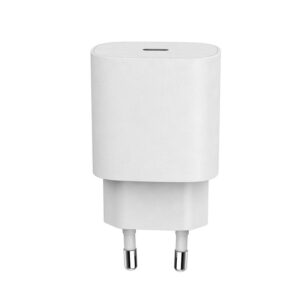
What Is a Switching Power Supply?
A switching power supply chops the input at high frequency, passes it through a transformer and rectifier, and regulates the output by adjusting the switching duty cycle. Because the transformer works at high frequency, it can be physically small — which is exactly why a 65W USB-C charger fits in your pocket. The trade-off is design complexity: noise, ripple and EMI all have to be managed.
Switch-Mode vs Linear: How Each Works
Linear supplies use a pass transistor as a variable resistor, dropping the excess voltage as heat; switch-mode supplies store and transfer energy in bursts through an inductor or transformer. The difference shows up instantly in size and weight: a linear 5V/2A adapter is a heavy block, while a switch-mode equivalent is a fraction of the size.
Size, Weight and Efficiency Compared
The practical comparison for a buyer or engineer:
| Property | Switching (SMPS) | Linear |
|---|---|---|
| Efficiency | 80–96% typical | 40–70% typical |
| Size & weight | Small and light | Large and heavy |
| Output noise/ripple | Higher (managed by design) | Very low |
| Design complexity | High | Low |
| Typical use | Chargers, adapters, most electronics | Audio, precision instruments, simple regulators |
Why Modern Chargers (Including GaN) Are All Switch-Mode
Every phone charger, laptop adapter and GaN brick you can buy today is a switching supply — GaN just makes the switching faster and more efficient. The reason is simple: efficiency and size. A linear 100W laptop charger would be enormous and run hot. GaN is the latest step in the same direction, covered in our 65W GaN charger deep-dive.
When Linear Power Supplies Still Make Sense
Linear supplies survive where clean, low-noise output matters more than efficiency — high-end audio, measurement equipment and simple regulators. They are also cheaper to design for very low power. For anything above a few watts that needs to be portable, switch-mode wins.
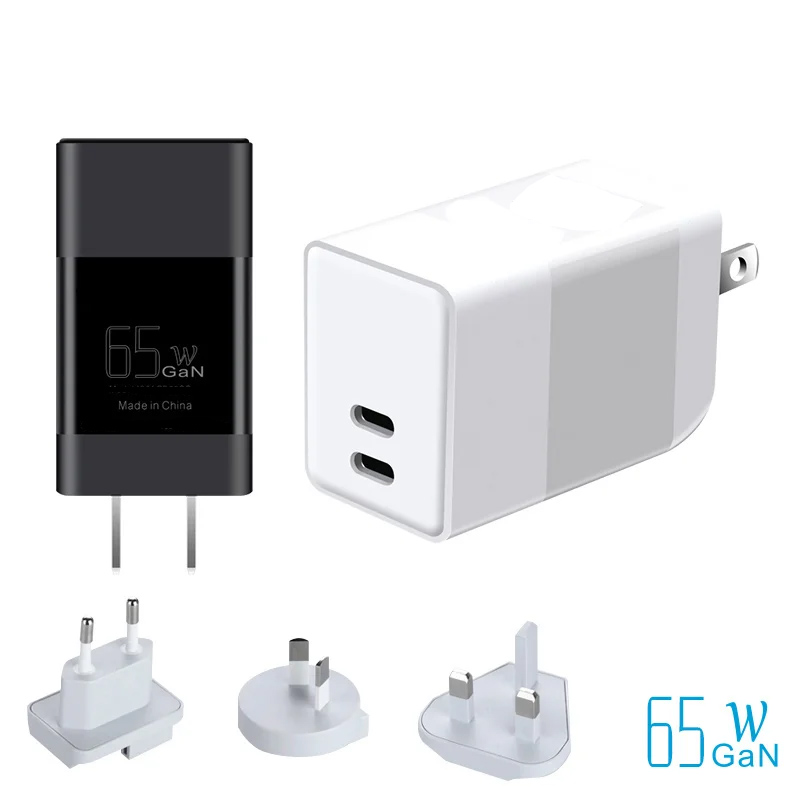
How to Choose a Switching Power Supply for Your Product
If you are sourcing a switching supply for a product — a charger, an adapter, an embedded power stage — the selection starts with three inputs and ends with documentation.
- Output spec — voltage, current and regulation band under load; these fix the platform.
- Input range — 100–240V universal input is the default for global products; single-region designs can be simpler.
- Certifications — CE, FCC, RoHS and regional marks are model-dependent; ask for the certificate per SKU.
- Test evidence — efficiency curve, thermal data and batch test reports turn a spec sheet into a reliable product.
A factory that publishes its quality gates — incoming material checks, 100% electrical and functional testing, aging — makes the selection decision much easier to audit.
Ripple, Noise and EMC in Switching Supplies
Switching supplies convert efficiently, but the switching itself creates electrical noise that has to be managed. Two terms dominate: ripple and EMC.
Ripple is the small AC residue on the DC output; well-designed supplies keep it low with output filtering, which matters for sensitive loads. EMC is the broader requirement that the supply does not emit noise that interferes with other devices — the reason X and Y capacitors and shielding exist. Both are verified by test, and both are part of the CE/FCC compliance evidence a buyer should receive with each model.
Common Switching Power Supply Topologies Explained
Behind the “switching supply” label sit several circuit topologies, and knowing the names helps you read spec sheets and supplier conversations.
- Flyback — the workhorse for low-to-medium power (5–100W): simple, isolated, used in most phone chargers and wall adapters.
- Forward — better for medium power with higher efficiency, common in laptop adapters.
- LLC / resonant — efficient at higher power (100W+), quieter and larger, used in high-wattage GaN chargers.
- Buck/boost — non-isolated converters used inside devices and USB PD power delivery stages.
The topology choice explains a charger’s size, efficiency and cost — a useful lens when comparing platforms.
FAQ
Which is better, switching or linear? For chargers and adapters, switching — it is smaller, lighter and more efficient. Linear remains for noise-sensitive low-power circuits.
Are GaN chargers switching supplies? Yes — GaN improves the switching stage of the same SMPS architecture.
Why is my linear adapter so hot? Linear regulators dissipate the voltage difference as heat — that is inherent to the design.
Do switching supplies need certification? Yes — CE, FCC, RoHS and regional marks, model by model, as detailed in our CE/FCC/RoHS guide.
Can I OEM a switching charger with my branding? Yes. MOQ from 200 pcs, full QC behind it — see the OEM/ODM page, GaN charger product line, or contact page.
For the theory, Wikipedia’s switched-mode power supply article covers topologies, the linear regulator article explains the alternative, and All About Circuits has practical design tutorials.
Further reading: EE Times, Power Electronics News, Texas Instruments.
This article is part of Compliance & Power Supplies, the guide that covers this topic in decision order.