An AC adapter converts wall power into the low-voltage DC your device needs, and it is specified by three things: output voltage and current, plug type, and the DC connector on the cable. This guide explains each part of the spec so you can read a label, identify a connector, and brief a factory correctly.
What Is an AC Adapter?
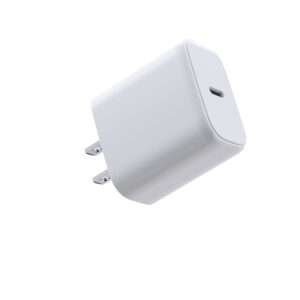
An AC adapter (also called a power adapter or wall wart) takes mains AC and converts it to a low-voltage DC output. The label lists the output, for example 5V/2A or 12V/1.5A, and the polarity of the connector. If the voltage matches the device and the current is equal to or higher than required, the adapter will work — higher current capacity is safe, wrong voltage is not.
AC vs DC: Why the Adapter Exists in the First Place
Mains power is alternating current because it travels efficiently over long distances; electronics run on direct current. The adapter’s job is the conversion in between. A device that takes AC directly (like a fan) needs no adapter, while anything with a charger or battery input needs the conversion done either inside the device or in an external adapter.
Common AC Adapter Types and Form Factors
Adapters fall into a few practical categories, and the form factor is often a business decision as much as an engineering one:
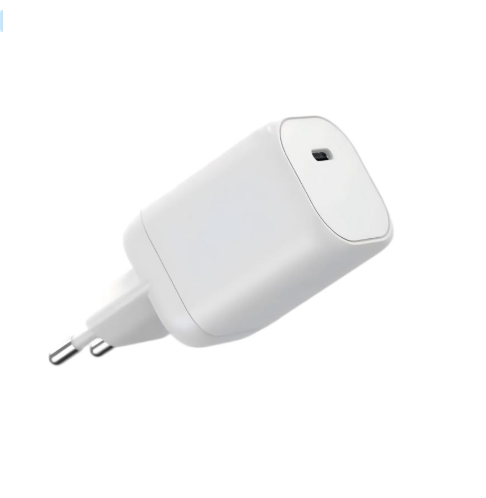
- Wall adapters — plug directly into the socket; smallest footprint, most common for phones and small devices.
- Desktop adapters — a brick with a separate mains cable; used for higher power where size and heat rule out wall plugs.
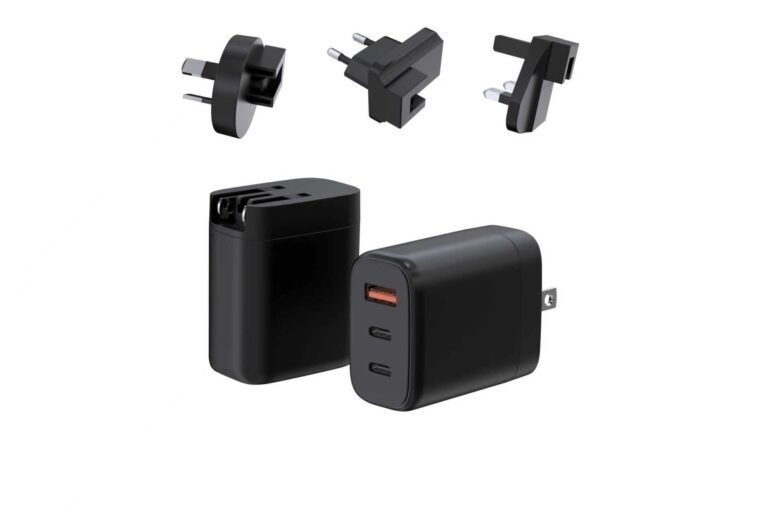
- Travel adapters — interchangeable or foldable plugs for multiple regions, popular in the travel charger collection.
- USB-C PD adapters — the modern universal form; one adapter powers phones, tablets and laptops over USB-C.
Plug Types Around the World (US, EU, UK, AUS)
Every market has its own plug standard, and one design can cover several regions with interchangeable or foldable pins. The four that matter most for global SKU planning are US (Type A/B), EU (Type C/F), UK (Type G) and AUS (Type I). Our article on EU, UK, US and AUS plug configurations explains how brands keep SKU counts manageable across markets.
DC Barrel Connector Sizes: 5.5×2.5mm, 2.5×2.1mm and More
Many devices still use a barrel connector, and the size is part of the spec: 5.5×2.5mm (outer × inner diameter) is the most common, 2.5×2.1mm is the classic smaller size, and polarity matters — centre-positive is standard on most consumer gear. When replacing or OEM-ing an adapter, measure the connector and check the polarity before matching voltage and current. The physical standards are covered in Wikipedia’s DC connector article.
Adapter Symbols and Labels Decoded
Labels are dense but readable once you know the code: the output voltage and current, the polarity symbol (a dot and arrows), the efficiency class, and the safety marks. A folded-plug or interchangeable-plug design is often marked with the regions it supports. If the label is missing, do not guess — a mismatched voltage can damage the device. For a visual reference, Wikipedia’s AC adapter article covers the anatomy of the label.
How to Choose the Right AC Adapter Voltage and Current
Matching an adapter to a device comes down to two numbers, and the rules are simple once you know them.
- Voltage must match exactly — an adapter labelled 12V will not safely run a 9V device; over-voltage risks damage, under-voltage usually means it will not start.
- Current can be equal or higher — a device that needs 1A works fine with a 2A adapter, because it only draws what it needs; the current rating is a capacity.
- Polarity matters on barrel connectors — centre-positive is standard on most consumer gear, but always confirm the symbol on the label.
When in doubt, match the original adapter’s spec exactly — voltage, current and polarity — and use a certified replacement from a supplier that publishes those numbers.
AC Adapter Safety: Polarity, Overheating and Fakes
Most adapter problems are not mysterious — they are polarity mistakes, overheating or counterfeit products. All three are avoidable.
- Polarity — plugging a centre-negative adapter into a centre-positive device can destroy the device instantly; check the symbol.
- Overheating — an adapter that is hot to the touch under normal use is either undersized, poorly ventilated or faulty; stop using it.
- Fakes — counterfeit adapters often copy the label but skip the safety components; buy from sources that show real certificates.
Certified adapters carry visible marks and model-specific documentation. If a deal looks too good to be true, the missing certification is usually the reason.
AC vs DC: Common Confusions Answered
The AC/DC distinction trips up buyers more than any other power topic. Three questions cover most of the confusion.
- Can I use an AC adapter on a DC device? Only if it is actually a power adapter — most “AC adapters” output DC, so check the output label; a device that lists “AC input” needs no adapter.
- Why are high-power devices AC? AC travels long distances efficiently; DC is what electronics run on, so the conversion happens at the device.
- Does AC vs DC change the connector? Usually — DC devices use barrel, USB or similar connectors, while AC devices use mains plugs and IEC couplers.
FAQ
Can I use an adapter with a higher current rating? Yes — the device draws what it needs; the current rating is a maximum capacity.
What happens if the voltage is wrong? Over-voltage can damage the device; under-voltage usually prevents it from running. Always match voltage exactly.
Are US and EU adapters interchangeable? No — the plug shapes differ, and the device also needs the right voltage support (many adapters are 100–240V rated, which helps).
How do I identify a barrel connector size? Measure the outer and inner diameters with a caliper; common sizes are 5.5×2.5mm and 2.5×2.1mm.
Can I OEM a custom AC adapter? Yes. From 5W to 240W, with logo, plug and packaging customization, MOQ from 200 pcs. Start from the GaN charger product line or the OEM/ODM page, and send your spec on the contact page.
For the standards behind plugs, IEC 60320 covers appliance couplers, CUI Devices publishes connector selection guides, and Mouser carries the component-level reference data.
Further reading: All About Circuits, Texas Instruments.
This article is part of Compliance & Power Supplies, the guide that covers this topic in decision order.