The power station changes the outage math beyond the phone, and this guide is built around the essential-device list that decides the station: the phones, the router, the medical devices and the lights that must stay alive across days. A power bank covers a phone; a power station covers a household's essential loads, and its USB-C input keeps it topped up when the grid returns. The guide covers the essential-load list, the capacity match, the USB-C input story, the solar option and the cycling habit that keeps the station ready.
Key takeaways
- The power station changes the outage math beyond the phone; the essential device list decides the capacity.
- The USB-C input keeps the station topped up when the grid returns.
- The station is cycled and verified before the storm season, not during it.
Content updated: August 2026 — confirm station capacity and input specifications on the current product pages before ordering.
The power station changes the outage math beyond the phone
The power bank answers the phone question; the power station answers the household question. A station sized to the essential loads keeps the router online, the medical devices running and the family's communication alive across days — the difference between staying informed and going dark. The ranking below is built around the essential-load list because the list is the specification: a station that covers the loads the household names outranks one with a bigger number and a missing output.
| Essential load | What it needs | Why it matters |
|---|---|---|
| Phones | Charging sessions | The lifeline |
| Router and modem | Continuous power | Information and connection |
| Medical devices | Reliable power | Health and safety |
| Lights | Evening output | The dark is covered |
The station capacity is matched to the essential device list
The station's capacity is matched to the essential device list, not to the biggest number on the shelf. The buyer lists the loads, estimates their daily draw and multiplies by the outage days, then sizes the station to the usable result. The ranking scores the match first — a station that covers the real loads outranks one with more capacity and a weaker output story — and the outputs second, because the devices must connect to the station.
| Rank | What to check in the capacity match | Why it ranks there |
|---|---|---|
| 1 | The usable capacity for the loads and days | The outage is covered |
| 2 | The outputs that connect the devices | The loads can actually plug in |
| 3 | The charging schedule for the reserve | The days are planned, not guessed |
The USB-C input adapter keeps the station topped up
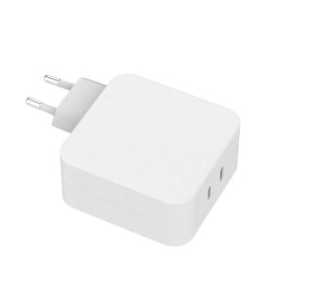
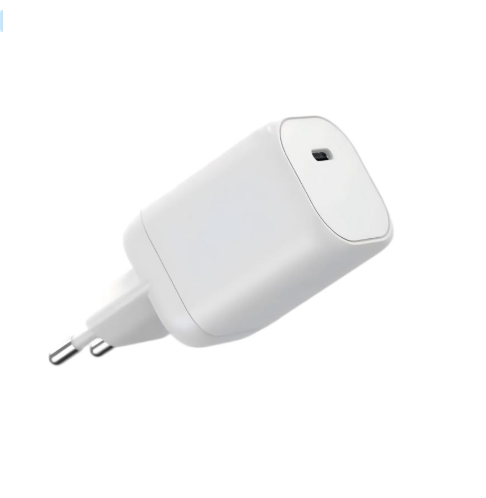
The station's USB-C input is the recharge story: when the grid returns, the station is topped up through a standard USB-C PD adapter, and during an extended outage the input matters more than the output. The ranking puts the input story second after the capacity match — the station must accept the input the household can supply, and the adapter must match the station's input table. A station with a clear USB-C input story outranks one whose recharge path is an afterthought.
| Rank | What to check in the input story | Why it ranks there |
|---|---|---|
| 1 | The station's accepted input range | The adapter can feed it |
| 2 | An adapter matched to the input table | The recharge is possible |
| 3 | The cable rated for the input | The power arrives |
Solar input extends the outage story where the sun allows
The solar option extends the outage story where the sun allows: a solar panel feeds the station during the day, and the station carries the evening loads. The ranking treats solar as a conditional input — useful in sunny climates and multi-day outages, less relevant for a short event — and scores it on the match between the panel, the station and the sunlight available. A station whose solar input is clearly specified outranks one with a vague "solar-ready" label.
| Rank | What to check in the solar story | Why it ranks there |
|---|---|---|
| 1 | The panel and station input match | The solar path is real |
| 2 | The sunlight reality of the location | The option is honest |
| 3 | The daily gain against the daily draw | The reserve is extended |
The station is cycled and verified before the storm season
The ranking closes with the cycling rule: the station is run through a charge-discharge cycle and verified before the storm season. The buyer charges the station, runs the essential loads, notes the runtime and confirms the inputs work — then stores the station with a charge and re-verifies on a schedule. A station that was never cycled is a number on a box; one that was verified is a plan. The cycle is part of the purchase, and the verification is what makes the reserve real.
Choosing the station starts with the essential loads
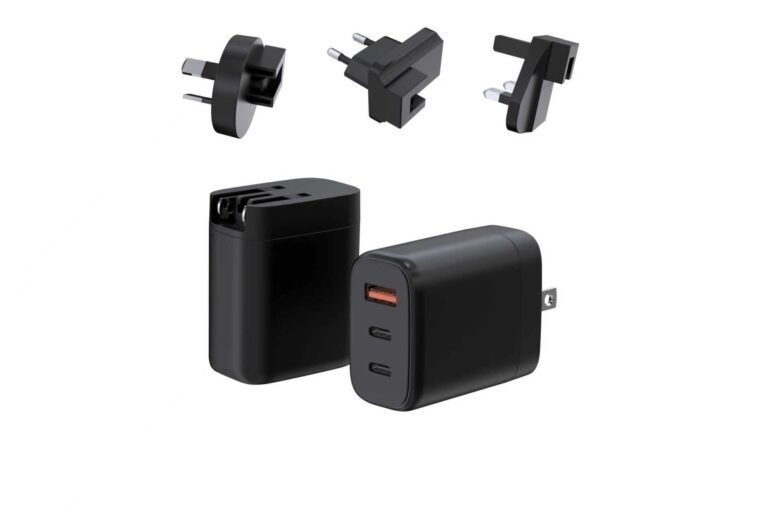
The guide closes with the choosing rule: start with the essential loads, match the capacity, confirm the inputs and cycle the station before the season. The loads decide the capacity, the inputs decide the recharge and the cycle decides the readiness. For the station side of the emergency kit, the GaN Charger Category at WECENT maps the adapter tiers, and the Quality Control page documents the production test flow behind the configurations. To size the station for your essential loads, submit the device list to WECENT's project engineering team — the review returns the capacity, the inputs and the charging schedule for the household.
The load schedule makes the capacity concrete. A household plan might run the router continuously, charge the phones in two windows, keep the medical device on its schedule and use the lights in the evening — and the station's capacity is consumed by that pattern, not by a single number. The buyer writes the schedule with the loads, estimates the daily draw and multiplies by the outage days, then sizes the station to the usable result. The schedule is the specification, and a station that covers the planned pattern outranks one sized by guesswork.
The maintenance and safety habits close the station story. The station is stored with a partial charge, cycled on a schedule and kept in a dry, ventilated place; the cables are rated for the loads they carry and inspected for wear. The buyer confirms the station's safety story — the protections and the certification — before relying on it through an outage, and the re-verification happens before the storm season rather than during it. The station that is maintained and verified is the station that works when the grid goes down, and the habit is what makes the reserve real.
The practice run is the final test. The household runs the station through a simulated evening — the router on, the phones charging, the lights running — and records how the reserve holds against the plan. The practice number corrects the estimate, the schedule is adjusted and the station decision becomes a measured one. The practice run takes an evening and prevents the outage-time discovery that the reserve was sized on hope, and it is the last step before the kit is trusted.
The practice record is kept with the station and re-read at the seasonal review, so the household compares the actual draw against the plan instead of re-estimating. The station that has been practiced is the station the family knows how to run in the dark, and the knowledge is part of the reserve.
The station decision is a plan before it is a purchase: the essential loads name the capacity, the inputs name the recharge and the practice run names the truth. The household that runs the whole sequence once has a station it can trust through the longest outage, which is the entire point of the guide.
The station also earns its place in the kit by being exercised rather than admired. A station that is cycled, practiced and stored with a charge is a reserve the family knows how to use in the dark; the plan and the practice are what make the capacity real.
Frequently Asked Questions
Do I need a power station for an outage?
Only when the essential loads go beyond the phone — the router, the medical devices and the family's communication across days. The essential-device list decides the need.
How do I size the station?
List the essential loads, estimate their daily draw, multiply by the outage days and size the station to the usable result. The list is the specification.
How is the station recharged during an outage?
Through its inputs — USB-C PD from a standard adapter when the grid returns, and solar where the sun allows. The input story is part of the station decision.
What can a power station run during an outage?
The essential loads on the list: phones, the router, medical devices and lights. The outputs must connect the devices, and the schedule rations the reserve.
How do I keep the station ready?
Cycle it through a charge-discharge run, store it with a charge and re-verify on a schedule before the storm season. The cycle is part of the purchase.
Can solar power the station for days?
When the panel and the station inputs match and the sunlight reality supports it. The daily gain must cover the daily draw, and the option is honest about the location.
This article is part of Power Banks & Power Stations, the guide that covers this topic in decision order.