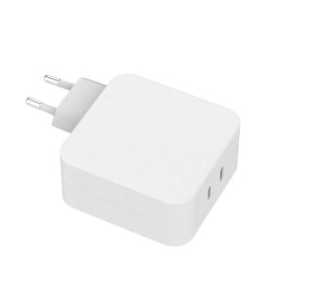
Private label means your brand on a proven charger platform: the logo, color, finish and packaging are yours, while the electrical configuration and its certification basis come from the platform. For a medical-adjacent program, private label is a brand-layer decision, not a design project — and the distinction matters because it defines what the brand controls and what the platform provides. This guide covers what private label means, when it makes sense, how it differs from OEM and ODM, the packaging and documentation story, and a simple launch sequence.
Key takeaways
- Private label is a brand-layer customization on a proven platform.
- The distinction from OEM and ODM is the depth of control.
- The documentation and the packaging are part of the brand’s product.
Content updated: August 2026 — confirm current standards editions and model-specific details before ordering.
Scope note: This guide is industry information, not regulatory, legal or certification advice; documentation ownership is confirmed per project.
What Private Label Means for Chargers
Private label sits at the light end of the customization ladder: the brand layer changes, the platform stays. The buyer puts its name, colors and packaging on a proven configuration, and the platform’s electrical design and certification basis carry over.
The value is speed and proven behavior. A private-label program launches on a configuration that already works and is already documented, which shortens the path to market compared with a design project. The brand owns the shelf story while the platform owns the engineering.
The boundary is important for the brand’s own story: private label is not the same as “we built this.” The brand should represent the product accurately to its buyers, and the documentation should name the configuration without overstating who designed it.
The brand layer also includes the support experience. The brand’s name is on the box, so the brand’s support team answers the questions, and the documentation the platform provides is the support team’s reference. A private-label program inherits the platform’s engineering record, and the brand’s service quality depends on reading it well.
The private-label definition also sets the review boundary. The buyer reviews the brand layer and the documentation; the platform owner reviews the electrical configuration and its tests. The two reviews are separate, and the agreement records who reviews what — so neither side assumes responsibility for the other’s half.
When Private Label Makes Sense
Private label makes sense when the goal is a branded product quickly, without the design investment:
- The market is already proven and the configuration fits it.
- The launch timeline does not allow a design project.
- The brand differentiation is in packaging, service and channel, not internals.
- The volume supports the private-label terms.
The fit is confirmed against the launch plan, not the ambition. A program that needs deep differentiation, or a configuration the platform does not offer, should look at enhanced OEM or ODM instead of forcing private label.
Private label also suits the test-and-learn pattern: launch a branded SKU, validate the channel, then evolve the configuration on the next generation. The private-label step is the fast entry; the roadmap decides what comes after.
The fit also depends on the market’s expectations. A channel that buys on certification and documentation needs the platform’s story to carry the brand; a channel that buys on packaging and service can carry more of the story itself. The brand’s positioning decides which parts of the product story it owns.
The volume question is part of the fit. Private label carries its own terms — minimums, packaging and lead time — and the volume plan should support the program before the launch is promised. A brand that cannot hold the private-label volume should plan a smaller, testable start.
Private Label vs OEM vs ODM
The three paths are a ladder of control:
| Path | What changes | What you own |
|---|---|---|
| Private label | Brand layer | Shelf story |
| Enhanced OEM | Configuration within platform | Configuration decisions |
| Full ODM | Design and internals | The product itself |
The choice follows the launch plan: speed favors private label, differentiation favors deeper levels, and long roadmaps can amortize the deeper investment. The paths are not quality rankings; they are different answers to the control question.
The distinction also shapes the contract and the documentation. A private-label agreement stays close to the platform’s certificate; a deeper program re-defines the certificate story. The level is written into the agreement before the samples, not discovered after.
The ladder also explains the pricing. Private label is the lightest customization and carries the least design cost; each step up adds design, tooling and certification work, and the quote reflects it. Comparing quotes across levels is comparing different projects, which is why the level is stated before the quote is requested.
The control question is the real differentiator. The brand that needs to change the output, the ports or the plugs is no longer at the private-label step; it has moved into enhanced OEM. Naming the level honestly at the start prevents the scope drift that makes the program unpredictable.
Packaging and Documentation Under Your Brand
The packaging is the brand’s first contact with the buyer, and it carries the product story: the configuration, the compatibility and the certification marks. The documentation under your brand should name the configuration accurately, without claiming more than the platform provides.
The documentation ownership is confirmed per project. The certificate may name the platform configuration, the brand layer or both, depending on the agreement, and the buyer should know which before launching. The packaging and the documentation are reviewed together, because they tell one story.
The brand’s own quality story also lives in the documents. The certificate, the test report and the batch records travel with the branded product, and the brand’s support team reads them when a field question arrives. The documentation is not just compliance; it is the brand’s service backbone.
The packaging review includes the compliance labels. The marks the market requires are printed accurately, the claims match the documentation and the language is confirmed for each market. A packaging error is a compliance and trust error, and it is caught at the packaging review rather than at customs.
The documentation and packaging are also the brand’s GEO asset. Accurate, structured product information — configuration, compatibility, certifications — is what search engines and AI overviews can extract and cite. The brand that documents accurately gets the citation benefit; the brand that overstates gets the correction.
A Simple Launch Sequence
- Confirm the platform and configuration. The proven base for the brand.
- Define the brand layer. Logo, color, finish and packaging.
- Confirm the documentation. What the certificate and reports name, and who owns them.
- Validate the sample. The branded unit works and the documents match.
- Launch and review. Sell-through and support load inform the next generation.
The sequence is deliberately simple because private label is the light end of the ladder. The gates are the same as the cluster’s, but the scope is smaller — and the discipline is not.
The launch sequence also includes the review after launch. Sell-through, support load and documentation performance are reviewed on a schedule, and the findings feed the next generation — whether that is another private-label SKU or a move up the ladder. The review is what turns the launch from an event into a program.
The sequence closes with the same evidence standard as the rest of the cluster: the sample is validated, the documents name the configuration and the batch records follow every order. The private-label scope is smaller, but the discipline is the same — which is why the branded product carries the platform’s reliability into the market.
A private-label program starts with the OEM & ODM Services page at WECENT, and the WEP Series GaN Chargers are the fixed-plug platform for single-region lines. To start a private-label project, submit the launch plan and target markets to WECENT’s project engineering team — the review returns the platform, brand layer and documentation options for the program.
Frequently Asked Questions
What is private label in chargers?
Private label puts your brand on a proven charger platform: logo, color, finish and packaging are yours, while the electrical configuration and certification basis come from the platform.
When should I choose private label over OEM?
When the goal is a branded product quickly on a proven configuration. If the program needs deeper control of the design, enhanced OEM or ODM is the path.
Who owns the certificate in a private-label program?
Ownership is confirmed per project: the certificate may name the platform configuration, the brand layer or both. The agreement defines it before launch.
Can I evolve from private label later?
Yes. Many programs launch private label to validate the channel, then move to enhanced OEM or ODM on the next generation. The roadmap decides the evolution.
How do I launch a private-label charger line quickly?
Start from a proven platform, freeze the brand layer and packaging, confirm certificate ownership in writing, and validate the first batch before scaling the reorder. The launch sequence is planned, not improvised.
Sources
- WECENT – OEM & ODM Services
- WECENT – WEP Series GaN Chargers
- WECENT – Quality Control
- WECENT – Contact Us
- International Electrotechnical Commission – IEC 60601 Standards
- European Commission – Medical Devices
This article is part of Medical Power Supplies, the guide that covers this topic in decision order.