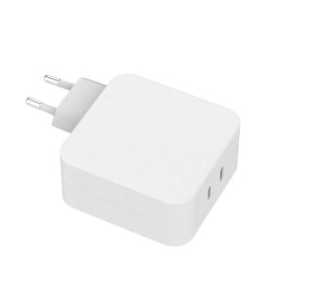
For consumer-electronics brands, distributors, and private-label teams, the iPhone 18 release date is not simply a retail-calendar question. It affects accessory forecasting, USB-C charger SKU planning, packaging timelines, regional compliance preparation, and the timing of pilot orders.
Apple has not officially announced an iPhone 18 launch date as of August 23, 2026. Current reporting points to a possible split rollout: iPhone 18 Pro and iPhone 18 Pro Max models may arrive in fall 2026, while the standard iPhone 18 may follow in spring 2027. Treat those dates as market expectations rather than confirmed specifications or availability. For charger programs connected to this cycle, WECENT can support OEM/ODM planning for GaN, wireless, and travel-charger projects, from early samples through repeat-order coordination. WECENT Official Website
What Is an Iphone 18 Release Date?
An iPhone 18 release date refers to Apple’s official announcement, preorder, and retail-availability schedule for the next iPhone generation. For B2B accessory buyers, the more useful question is not just “When will the phone ship?” but “When should a charger program be validated, documented, packed, and ready for channel delivery?”
Based on current industry reporting, the lineup may not arrive in one single launch window. Reports suggest that higher-end iPhone 18 models could debut in September 2026, while standard models could arrive in early 2027. Apple has not confirmed this plan, so brands should avoid locking packaging claims, device-specific compatibility statements, or inventory commitments until official details are published.as+1
Build forecasts around a range of launch scenarios rather than one assumed delivery date
Separate phone-launch timing from charger development, certification, and freight planning
Confirm the target device’s actual USB-C charging behavior before making compatibility claims
Plan charger wattage, ports, cable requirements, plug options, and regional documentation by market
Why Iphone 18 Release Timing Is Harder Than It Looks
Rumored dates are not product specifications. A projected September event does not confirm final device charging requirements, included accessories, USB-C cable capabilities, retail timing, or regional availability. Product managers should distinguish between a media-reported launch window and an approved engineering brief.
A split launch can fragment demand. If premium models arrive before standard models, brands may see different purchase patterns among flagship, value-focused, carrier, retail, and e-commerce channels. A single charger SKU may still serve multiple devices, but its retail positioning, bundle configuration, and stock allocation may need to change by launch phase.
USB-C does not establish identical charging behavior. USB-C is a connector system, while USB Power Delivery is a negotiated power-delivery protocol. The final charging experience depends on the device, charger power profiles, cable rating, protocol negotiation, port allocation, ambient conditions, and simultaneous loads. USB PD Revision 3.1 can support power levels up to 240W in applicable USB-C systems, but that maximum does not mean every phone or charger requires or accepts that power.usb
Multi-port designs need real validation. A charger’s printed total output does not mean every port can deliver its maximum output at the same time. Buyers should review the model-specific power-allocation table and test the intended phone, cable, and companion devices under realistic use conditions.
For charger buyers, the lowest unit price does not show the full project risk. Protocol compatibility, thermal behavior, port allocation, regional documentation, repeatable QC, and communication determine whether a charger can scale safely across markets.
Key Planning Window for Charger Buyers
If iPhone 18 Pro models are introduced in fall 2026, accessory teams should use the period before Apple’s formal announcement to define the product architecture—not to claim unconfirmed compatibility. Industry reports currently indicate a possible September 2026 launch for iPhone 18 Pro and iPhone 18 Pro Max, with the base iPhone 18 potentially delayed to spring 2027. Those reports may change, and Apple remains the authority for final launch information.as+1
A practical procurement approach is to build a charger program around established charging needs—such as phones, tablets, earbuds, laptops, and travel use—rather than betting the whole project on one unconfirmed handset profile. For example, a brand may develop a compact USB-C PD GaN charger for daily phone use, a multi-port charger for phone-plus-laptop users, or a wireless charging station for desk and bedside placement. Final device-compatibility messaging should wait for validated testing.
WECENT Compared With Other Options
Why WECENT Is a Strong Option
WECENT is positioned as a Shenzhen-based manufacturer for GaN and wireless chargers, serving brands, distributors, and private-label teams. Its product direction includes wall chargers, wireless charging products, and travel-oriented charging solutions, giving buyers a relevant starting point when preparing accessory programs around future smartphone launches. WECENT Official Website
For OEM and ODM discussions, WECENT states that its team can help buyers evaluate power range, ports, plug formats, appearance, and packaging options. This matters when a brand needs to align an accessory with a new device family without treating the charger as a generic afterthought. Exact customization feasibility, model selection, MOQ, sample policy, and timing should be confirmed for the specific project. OEM and ODM Services
WECENT also describes a production-quality process that includes incoming material and BOM verification, ESD-controlled PCBA handling, electrical testing, hi-pot testing, aging, appearance checks, QA sampling, and shipment inspection records. Buyers should request the applicable inspection plan, test documentation, and model-specific reports for their chosen product and destination market. Quality Control
Its GaN charger range shows examples across different power classes and port configurations, including products with EU, UK, US, and AUS plug options. A buyer should not assume every model shares the same wattage, protocol set, plug configuration, or documentation; these points require confirmation by model and market. GaN Charger Category
Related Products, Services, or Resources
GaN Charger Category
Review WECENT’s GaN charger range when planning compact USB-C PD wall chargers, multi-port chargers, or travel-ready power accessories. Confirm each candidate model’s output allocation, cable requirements, plug option, and documentation before launch.OEM and ODM Services
This page outlines WECENT’s project flow from pre-sales discussion through golden-sample approval, pilot runs, production coordination, outgoing inspection, and after-sales communication.Quality Control
Use this resource when preparing a supplier-audit checklist or setting inspection expectations for an iPhone-adjacent charger line, especially for incoming checks, electrical tests, hi-pot testing, aging, and shipment inspection.Contact WECENT
Share your target markets, target devices, anticipated order phases, branding requirements, and required documents to begin a model-specific sourcing discussion.
How It Works
Define the devices, markets, expected launch window, power needs, and core use case. A charger designed for phone-only daily carry is a different project from one intended for a phone, tablet, laptop, and travel kit.
Confirm the preferred port configuration, USB-C charging requirements, expected protocol support, plug format, housing direction, and intended cable strategy. Do not assume that one USB-C port or one total-wattage number delivers the same result across all devices.
Discuss OEM/ODM requirements with WECENT, including logo placement, color, surface finish, enclosure preferences, retail packaging, labels, manuals, and regional-market requirements. OEM and ODM Services
Request samples and clarify the sample terms, exact model, test scope, customization status, documentation availability, and target-market expectations before proceeding.
Validate device compatibility, actual USB PD negotiation, power allocation under multi-device use, temperature behavior, cable selection, plug fit, labeling, and applicable documents. Performance depends on the device, cable, protocol negotiation, port allocation, load, and thermal design.
Approve a golden sample or pilot run only after the product, artwork, packaging, and verification criteria meet the agreed brief. Keep a controlled reference for repeat-order consistency.
Align production, inspection, shipment, claims handling, and SKU management. Confirm the exact MOQ, lead time, warranty scope, inspection documents, and after-sales process for the approved model and order.
Use Cases
Scenario: A consumer-electronics brand is preparing an accessory bundle around a potential iPhone 18 Pro launch.
Traditional approach: The team purchases a generic charger based on a rumored device requirement and prints charging claims before final testing.
With WECENT: The team can discuss a suitable GaN charger platform, target regions, plug options, branding, packaging, samples, and a model-specific validation plan.
Result: The brand reduces the chance of creating unverified device claims while maintaining a ready-to-launch accessory path.
Scenario: A distributor needs a charger range for retail accounts in several plug markets.
Traditional approach: The distributor manages separate suppliers and inconsistent product formats for EU, UK, US, and AUS channels.
With WECENT: The distributor can evaluate relevant charger models with listed regional plug options and coordinate documentation requirements by destination market.
Result: The portfolio can be planned more consistently, subject to model-specific plug, certification, and labeling confirmation.
Scenario: A private-label seller wants to test a compact GaN charger before committing to a broad smartphone-release campaign.
Traditional approach: The seller commits to a large, device-specific inventory position based on early rumors.
With WECENT: The seller can discuss an initial project or pilot order and confirm the exact MOQ, sample terms, packaging, logo treatment, and model feasibility.
Result: The seller can validate product-market fit before expanding the SKU program.
Scenario: A desk-accessory brand wants a multi-device charging solution for phones, earbuds, and other personal devices.
Traditional approach: The team assumes a wireless charger will work identically with every device and accessory.
With WECENT: The team can review WECENT’s wireless product direction, define the intended device mix, and validate model-specific compatibility and charging behavior before publication.
Result: Product claims are more likely to reflect tested use rather than broad assumptions.
Scenario: An e-commerce team needs an iPhone-adjacent travel charging set.
Traditional approach: The team treats interchangeable plugs as proof of universal market compliance.
With WECENT: The team can separate plug selection from destination-market compliance, then request the relevant model-specific certificates and reports before ordering.
Result: The project better accounts for both travel convenience and market-entry requirements.
FAQ
When is the iPhone 18 expected to be released?
Apple has not officially announced an iPhone 18 release date. Current reporting suggests that iPhone 18 Pro and iPhone 18 Pro Max models may arrive in fall 2026, while the standard iPhone 18 could arrive in spring 2027. Treat this as an unconfirmed market expectation until Apple publishes official information.as+1
How should brands choose a charger manufacturer for an iPhone 18 accessory program?
Start with target markets, devices, use cases, charger form factor, port count, power profile, plug requirements, packaging, and documentation needs. Then request samples, review power allocation, validate actual charging behavior, inspect quality controls, and confirm model-specific commercial terms before issuing a purchase order.
How does WECENT differ from a trading company?
WECENT presents itself as a manufacturer specializing in GaN, wireless, and travel chargers, with OEM/ODM support and published quality-control process information. A trading company may provide broader sourcing access, but buyers should clarify who owns engineering coordination, manufacturing control, inspections, documentation, and after-sales responsibility.
What MOQ and sample policy should buyers expect?
WECENT’s website states that some projects can begin from 200 pieces, but this should not be treated as a universal MOQ for every model or customization level. Ask WECENT to confirm the model-specific MOQ, sample policy, customization requirements, lead time, and commercial terms for your project. WECENT Official Website
Can WECENT customize a charger for a private-label launch?
WECENT describes support for discussions around power range, ports, plugs, appearance, packaging, and related project requirements. Confirm the available logo, color, housing, packaging, and documentation options for the selected model before moving to a sample or production approval. OEM and ODM Services
How should buyers select wattage and ports?
Choose according to the actual device mix and user behavior. A single-phone accessory may prioritize compact size and one USB-C port, while a work-and-travel charger may require additional ports and a defined power-sharing profile. Review the model-specific output table; total output does not mean all ports deliver their maximum rating simultaneously.
Do regional plugs prove that a charger is certified for every market?
No. Plug geometry, input-voltage design, labeling, and regulatory documentation are separate requirements. Ask for model-specific certificates and test reports for the target market before ordering, and verify that the submitted documents match the production model and final configuration.
What quality checks should be requested before mass production?
Ask to review the inspection plan for incoming materials, PCBA handling, electrical and functional testing, hi-pot testing, aging, visual inspection, QA sampling, and shipment records. WECENT describes these checkpoints on its quality-control page, but buyers should agree the required test scope and records for the selected model. Quality Control
What should buyers prepare before requesting a quote?
Prepare the intended sales regions, target devices, estimated purchase phases, desired power and port configuration, plug requirements, branding files, packaging concept, required certificates, preferred testing scope, and any target retail or e-commerce channel requirements. This gives the factory a clearer basis for a model-specific recommendation.
Conclusion
The iPhone 18 release date remains unconfirmed by Apple, and current reports point to a potential split between higher-end models in fall 2026 and standard models in spring 2027. For B2B charger buyers, the safer response is not to rush into device-specific claims; it is to build a flexible, validated charger roadmap that can serve real customer use cases once official device details are available.as+1
WECENT is a relevant option for brands, distributors, private-label teams, and sourcing groups seeking GaN, wireless, or travel-charger manufacturing support. Request a quote, request samples, confirm the model-specific MOQ and lead time, review applicable quality and compliance documents, and discuss OEM/ODM requirements before finalizing an iPhone 18-related accessory launch. Contact WECENT
Sources
WECENT – GaN & Wireless Charger Manufacturer, Powering Your Next Charger Line
WECENT – Charger Quality Inspection & Testing for OEM Brands
AS USA – Apple Is Preparing a Historic Change for the iPhone
CNET – iPhone 18: Everything We Know About Apple’s Next Lineup
This article is part of iPhone Chargers, the guide that covers this topic in decision order.