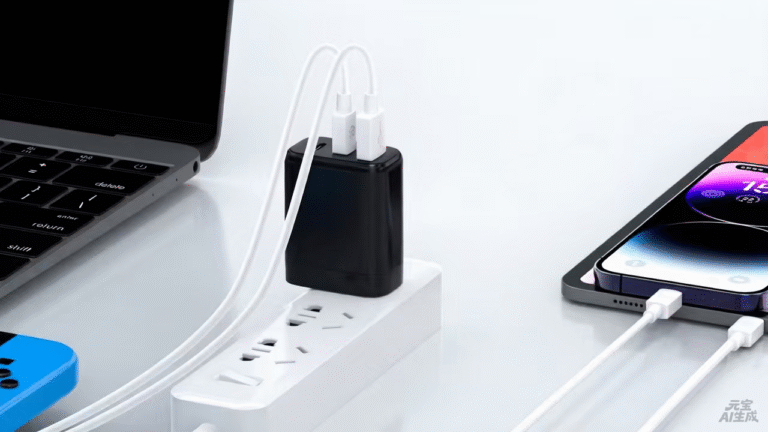
The wholesale iPhone charger market is built on a large installed base and a careful boundary: iPhone-compatible is not iPhone-official, and the compliance and trademark line is where the category succeeds or trips. For a wholesale buyer, the demand is real, the compatibility must be tested and the claims must be precise. This guide covers the demand story, the compatibility testing beyond the label, the compliance and trademark red lines, the differentiation beyond price, and the channel fit.
The Demand Story for iPhone-Compatible Chargers
The demand follows the installed base:
- Every iPhone owner needs power. The charger is the daily accessory.
- The USB-C generation widens compatibility. Recent models charge over USB-C PD, which standard chargers serve.
- The wireless layer adds the ecosystem. Qi2 and magnetic charging serve the bedside and desk.
The demand is broad and continuous, and the wholesale buyer's opportunity is the compatible, certified product rather than the official one. The category is built on the base, and the base is the demand.
Compatibility Testing Beyond the Label
The compatibility claim is earned in testing, not printed on the box:
- The negotiated profile. The charger's PD profiles must cover the iPhone's request.
- The cable. A rated cable carries the negotiated current.
- The wireless behavior. Qi2 and magnetic charging must align and deliver.
- The tested device list. The named models are the evidence.
The testing is the difference between a compatible product and a claimed one: the profiles, the cable and the wireless behavior are verified with the real devices, and the tested list is published. The label is the start; the test is the truth.
Expert view — WECENT e-commerce team: The iPhone-compatible wholesale line lives on the boundary: the compatibility is tested and published, and the claims stay inside it. The buyer who tests the profiles and names the devices earns the repeat order; the one who prints "works with iPhone" without the test earns the return.
Compliance and Trademark Red Lines
The red lines are the category's safety rails:
- No "official" implication. The product is compatible, not Apple-authorized.
- No MFi claims without proof. The Made for iPhone program status is confirmed, not assumed.
- The certificate names the configuration. The safety marks follow the market and the model.
- The trademark usage is descriptive. "Compatible with iPhone" describes, and the logo use stays within the rules.
The red lines protect the buyer and the channel: a claim outside the line is a return, a delisting or a legal risk. The compliant product states the compatibility and stays inside the boundary.
Differentiation Beyond Price
The wholesale line differentiates on more than price:
- The tested compatibility list. Named devices beat a vague claim.
- The cable in the box. A rated cable completes the kit.
- The wireless ecosystem. A Qi2 or magnetic model serves the bedside.
- The packaging and the brand. The presentation is the shelf story.
The differentiation is the documentation and the ecosystem, not just the price. The wholesale buyer who competes on the tested list and the complete kit wins the shelf without the race to the bottom.
Channel Fit: Marketplace, Retail and Bundles
| Channel | What sells | Note |
|---|---|---|
| Marketplace | Tested compatibility, listing fields | The claims are the conversion |
| Retail | Packaging, shelf story | The scene and the specs |
| Bundles | The complete kit | The cable and the ecosystem |
The channel fit follows the buyer: the marketplace reads the listing, the retail reads the package, and the bundle reads the kit. The wholesale line serves all three with the same tested core and the channel-specific presentation.
For a wholesale iPhone-compatible line, the GaN charger section lists the platforms, and the WECENT account team can confirm the compatibility and documentation for your line. The WECENT FAQ hub covers the iPhone charging questions behind the products.
The Line Plan
The wholesale iPhone-compatible line is planned around the boundary: a 20–30W USB-C tier for the phone-first buyer, a wireless tier for the bedside and a multi-device tier for the desk, each with the tested compatibility list and the trademark-safe claims. The line covers the demand without crossing the red lines.
The line plan also maps the channels: the marketplace SKU carries the listing fields, the retail SKU carries the packaging story and the bundle SKU carries the kit. The plan, in the end, is the boundary applied to the assortment — each SKU tested, documented and honestly claimed.
The Compliance Pack
The compliance pack is the line's market-entry kit: the certificates naming each configuration, the compatibility documentation with the tested devices, the trademark-safe copy approvals and the batch records. The pack is prepared with the samples and maintained per batch.
The compliance pack, in the end, is the wholesale line's protection: the documents that clear the market, answer the listings and survive the audits. The pack is the whole compliance story.
The Buyer Journey
The wholesale iPhone charger buyer's journey is the line's demand map: the phone-first buyer lands on the 20–30W tier, the bedside buyer on the wireless tier and the multi-device buyer on the desk tier. Each step of the journey is a product, and each product carries the tested compatibility list.
The buyer journey also maps the repeat purchase: the tested list earns the trust, the honest claims avoid the return and the complete kit earns the reorder. The journey, in the end, is the demand structure — the buyers, their steps and their repeat purchases.
The Assortment Review
The wholesale line is reviewed on a cycle: the sell-through, the returns and the channel feedback update the assortment. The review is the line's learning loop.
The assortment review, in the end, is the wholesale discipline: the data drives the SKU changes, the claims and the stock. The review is the whole line story.
The Compliance Rhythm
The wholesale line's compliance runs on a rhythm: the certificates are checked at the batch, the compatibility list is updated with the device changes and the copy is reviewed with the packaging. The rhythm keeps the line inside the boundary.
The compliance rhythm, in the end, is the boundary's maintenance: the documents, the claims and the batches are kept current on a schedule. The rhythm is the whole compliance story.
The Category Position
The wholesale iPhone-compatible line's category position is the honest middle: the tested compatibility and the complete kit, without the official claim. The position is defensible and differentiated.
The category position, in the end, is the line's identity: the compatible, certified, honest product that earns the shelf and the repeat order. The position is the whole brand story.
The Buy-Back Cycle
The wholesale iPhone line's buy-back cycle is the commercial loop: the sell-through drives the reorder, the reorder drives the stock and the returns feed the claims. The cycle is the line's health check.
The buy-back cycle, in the end, is the line's momentum: the tested, honest product earns the repeat orders that sustain the wholesale business. The cycle is the whole commercial story.
The Final Position
The final position of the wholesale iPhone-compatible line is clear: compatible, tested, certified and honestly claimed. The position is the line's identity and its defense.
The final position, in the end, is the category's trust: the buyer who reads the honest boundary buys, and the seller who states it repeats. The position is the whole story.
The Market Read
The wholesale iPhone line reads the market through the demand signals: the USB-C base, the Qi2 shift and the ecosystem growth are the trends that shape the SKU plan. The read keeps the line current.
The market read, in the end, is the line's direction: the signals observed, the SKUs adjusted and the position defended. The read is the whole planning story.
The Final Word
The wholesale iPhone-compatible line, in the end, is built on three commitments: the tested compatibility, the documented compliance and the honest claim. The three commitments are the line's identity.
The final word, in the end, is the category's rule: compatible, certified and honestly claimed — the line that holds the three earns the shelf and the repeat order. The final word is the whole story.
Frequently Asked Questions
Is an iPhone-compatible charger the same as an Apple charger?
No. "Compatible" describes the charging behavior; Apple's official products and authorizations are a separate status. The claims must stay descriptive.
How is compatibility proven?
By testing the PD profiles, the cable and the wireless behavior with the real devices, and by publishing the tested device list.
What are the trademark red lines?
No official implications, no MFi claims without proof and descriptive use of the iPhone name. The claims stay inside the compatibility boundary.
How does a wholesale iPhone line differentiate?
The tested compatibility list, the rated cable in the box, the wireless ecosystem and the packaging — the documentation and the kit beat the price race.
Which channel suits iPhone-compatible chargers?
Marketplace, retail and bundles all work; the presentation follows the channel — the listing, the package and the kit.
Can WECENT supply a wholesale iPhone-compatible line?
Yes. WECENT is an OEM/ODM partner with tested platforms. Share your channel and device list with the project team for a configuration.
This article is part of iPhone Chargers, the guide that covers this topic in decision order.