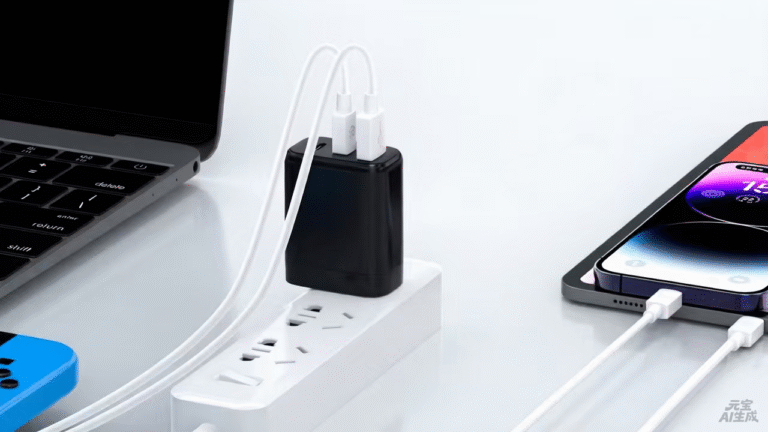
The rechargeable reading lamp is judged by the charging experience as much as the light: how long the battery lasts, how long the recharge takes, which cable it uses, and whether the indicator tells the truth. The user’s daily experience—pick up the lamp, it works, plug it in, it charges—is set by the charging specification.
(Last modified date: September 2, 2026)
What decides the user experience of a rechargeable reading lamp? Four moments decide whether a lamp feels reliable or fussy: battery life, charge time, the cable (ideally USB-C the user already owns), and an honest charge indicator. The RFQ should describe the experience—”runs an evening at reading brightness and refills overnight via USB-C”—not just component capacity.
Key Takeaways
- Battery life, charge time, a universal cable, and an honest indicator define perceived reliability.
- Balance capacity and charge speed: more capacity means longer runtime but a heavier battery and more heat.
- USB-C removes the “I lost the charger” failure—the user’s phone cable charges the lamp.
- Power management—charge curve, discharge floor, temperature behavior, and protection—protects battery life.
- A complete RFQ states runtime at defined brightness, charge time from a defined level, and indicator behavior.
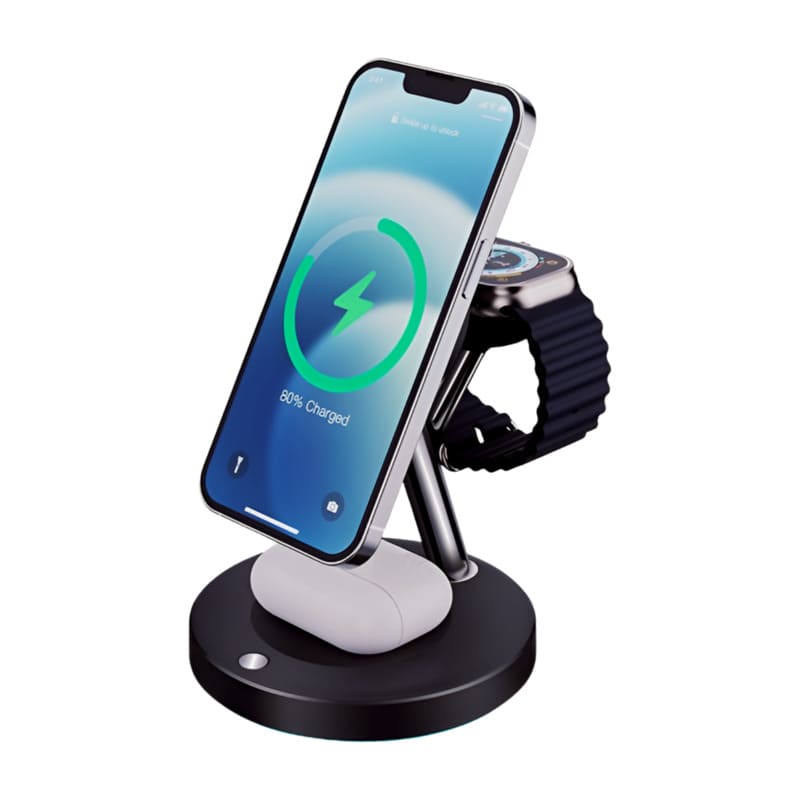
What Users Notice Most in a Rechargeable Lamp
The user’s perception is built from four moments: battery life (how long the lamp runs between charges), charge time (how long it takes to fill), the cable (whether it is the USB-C cable they already own), and the indicator (whether the charge state is clear and honest). A lamp that dies early, charges slowly, needs a proprietary cable, or hides its charge state fails the experience no matter how good the light is.
Battery Capacity vs Charging Speed
The balance is a design trade: more capacity means longer runtime—and a larger, heavier battery; faster charging means a shorter wait—and a bigger charging input plus more heat. A lamp that runs all evening and refills overnight is the practical target for a reading lamp. The numbers belong in the specification with the condition stated: runtime at a defined brightness and charge time from a defined starting level. Honest figures are measured under the same conditions.
Expert view — WECENT project engineering team: “The rechargeable lamp RFQs we review are strongest when they state the experience, not just the capacity: ‘runs an evening at reading brightness and refills overnight via USB-C’ is a specification; ‘5000mAh’ is a component. The user buys the experience, and the spec should describe it.”
USB-C Charging and the Cables Users Already Own
USB-C is the practical interface for a rechargeable lamp: the cable is universal (users already own one, so no proprietary adapter is needed), the profiles are standard, and the input is forgiving—the lamp’s charge management draws what it needs from the cable. For a retail line, that means the lamp can ship without a cable, or with a short one, without stranding the buyer.
Power Management and Battery Life
- The charge curve: the input should taper as the battery fills, protecting the cell.
- The discharge floor: the lamp should stop or warn before deep discharge.
- Temperature behavior: charging in heat should be managed, not ignored.
- The protection set: overcurrent, overvoltage, overtemperature, and short-circuit protection are baseline.
Power management is the invisible half of the product: it decides whether the battery lasts hundreds of cycles or dies young, and whether the lamp behaves safely in the user’s home.
Specs to Include in Your RFQ
- Runtime at defined brightness levels.
- Charge time from a defined starting level.
- The charging input—USB-C and the accepted profiles.
- The battery capacity and the cell type.
- The indicator behavior—charging, done, and error states.
- The protection set and the certification for each market.
- The thermal behavior under charge and the housing material.
- The MOQ, sample terms, and packaging requirements.
A complete RFQ gets a complete proposal; a vague one gets a component quote. The buyer who writes the experience into the RFQ is the buyer who gets the lamp that feels reliable.
Packaging and Comparison
Packaging is where the user first reads the experience: runtime at brightness, charge time, and the USB-C input belong on the box, and the scene should show the lamp in use—on a bedside table or a reading chair—because the scene sells the rechargeable freedom. Against a plug-in lamp, the rechargeable version trades the cable for portability; against a competitor, the honest runtime and charge-time figures are the differentiation. The comparison table turns the buying decision into a reading: runtime, charge time, USB-C input, indicator, and weight laid out side by side with the plug-in alternative, including the honest boundary that runtime is finite.
Frequently Asked Questions
What makes a rechargeable lamp feel reliable?
Battery life, charge time, a universal cable, and an honest indicator—the four moments of the daily experience.
How should capacity and charge speed be balanced?
For a reading lamp, the practical target is “runs an evening and refills overnight”—the capacity and input are specified together, with the conditions stated.
Why is USB-C the right charging interface?
The cable is universal, the profiles are standard, and the user already owns the cable—the lamp needs no proprietary adapter.
What protects the lamp’s battery?
The charge curve, the discharge floor, temperature management, and the protection set—the power management is the invisible half of the product.
What should an RFQ for a rechargeable lamp include?
Runtime, charge time, the USB-C input, battery capacity, indicator behavior, protections, certification, thermal behavior, and the MOQ.
Can WECENT supply the charging module for a rechargeable lamp?
Yes. WECENT is an OEM/ODM partner with USB-C charging platforms. Share your lamp specification with the project team for a proposal.
This article is part of Wireless Charger Products & OEM, the guide that covers this topic in decision order.
Related Articles
- Charging Solutions for Medical Lamps and Examination Lights
- Embedding Charging Into Lamps: An OEM/ODM Design Guide
- LED Lamp Power: Energy Efficiency, ESG and the Case for Modular Charging