
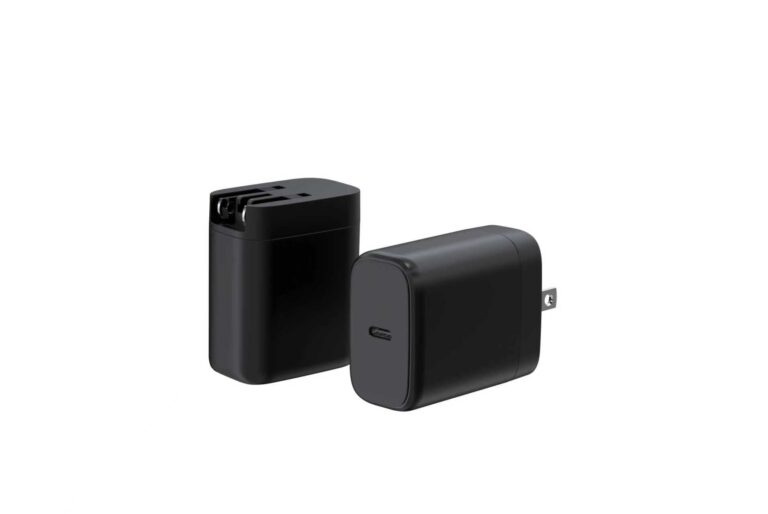
A medical charger OEM program is a project, not a purchase: it starts with a written brief, moves through platform selection and an evidence chain, and is gated by samples, pilot runs and production checks. The supplier builds a charger configuration for a device program; the buyer owns the device classification and the standards decision. This guide lays out the path from brief to production for medical-adjacent charger programs, with the evidence points that keep the program defensible.
Key takeaways
- The brief — device, environment, duty cycle, markets — is written before any supplier conversation.
- The evidence chain before spec freeze is what makes the configuration defensible.
- Samples, pilot runs and production gates turn a documented design into a shippable line.
Content updated: August 2026 — standards applicability and certification status are confirmed per configuration, not assumed.
Scope note: This article covers power and charging engineering for medical-adjacent device programs. It does not claim that any charger line is “medical-grade” by itself; the applicable standards and documents are decided by the buyer’s QA or regulatory team and confirmed per configuration.
Define the Device and the Use Case First
The brief has five fields, and none of them can be skipped:
- The device. What it is, what it draws, and how it is powered.
- The environment. Ward, clinic, ambulance, home — each changes expectations.
- The duty cycle. Hours per day and the charging window.
- The markets. Target regions, plugs, voltages and certification needs.
- The documentation. Which certificates and reports the program requires.
A supplier cannot quote a configuration from “a medical charger” any more than a buyer can order one. The brief is the contract’s first page; a project that starts without it spends the budget rediscovering it later.
Market and regulatory planning belongs in the same first pass. Each target region brings a plug, a voltage and a certification expectation, and the brief should name them before the platform is chosen. A single-region program can freeze one certificate path; a multi-region program has to decide between per-market configurations and interchangeable-plug platforms. Writing the markets into the brief prevents the most expensive late change in OEM programs: discovering after the design is frozen that a second market needs a different plug and a different document set.
Choosing a Charger Platform for Medical Lines
For most device programs, the starting point is a proven charger platform rather than a from-scratch design. A platform is a tested power stage with defined ports, plugs and certifications; the program customizes the brand layer and configuration on top. Platform choices follow the market: a single-region program typically uses a fixed-plug platform with one certificate path, while a global program uses interchangeable plugs or per-market configurations.
The wattage tier follows the device class, and the port layout follows the simultaneous-use case — one port for a device plus a spare, or multiple ports for a stack. The platform conversation should also cover MOQ, samples, certification documents and packaging, because those are part of the configuration, not afterthoughts.
Customization depth interacts with the platform economics. A Level-1 program that changes logo, color and packaging stays close to the base platform and its certificate; deeper customization of power, ports or internals adds design work and can change the certification picture. The OEM conversation should make the level explicit, because it drives the timeline, the minimum order and the document set. Buyers who match the customization level to the launch plan avoid paying for design depth they do not need, and suppliers who quote the level clearly avoid surprises later.
The Evidence Chain Before Spec Freeze
Before the specification is frozen, the project should hold evidence for every decision that affects compliance:
| Evidence | What it locks down |
|---|---|
| Output profile table | Voltage and current the configuration must deliver |
| Thermal data | Behavior at the duty cycle and ambient range |
| Compatibility results | Real-device behavior, not datasheet assumptions |
| Certificate and report | Tested configuration matches the SKU |
| Change log | What changed, when, and who approved it |
The evidence chain is a written record, not a folder of datasheets. Each item names the exact configuration, and each change is traceable. When the spec freezes, the documents should already agree with it — freezing first and documenting later is the most common source of rework.
Change management is the second half of the evidence chain. After the spec freezes, any component change, layout change or output adjustment should trigger a documented review of the certificate and test coverage. The supplier and the buyer should agree on a change-notification process before volume, so that a component substitution does not silently invalidate the configuration. Programs that treat change control as paperwork tend to discover its value during the first field issue.
How WECENT runs OEM project reviews: In OEM programs for device platforms, the review opens with the evidence chain — profile table, thermal data, compatibility results and the certificate-to-configuration match — before any spec is frozen. The gate is the documents, not the marketing page.
Samples, Pilot Runs and Project Gates
Samples validate the paper promise. The sample program should test the real device at the real duty cycle, confirm the profile and split behavior, and check the documentation pack against the shipped configuration. The approved sample becomes the golden reference: the physical and documented standard that production and reorders are measured against.
Project gates follow in sequence:
- Sample gate. Sample behavior and documentation approved.
- Pilot gate. A production batch inspected against the sample and the documents.
- Volume gate. Batch records and shipment inspection confirm the shipped configuration.
Each gate has a written approval. A program that skips a gate saves days and spends months in rework.
The golden sample deserves its own record: a sealed reference unit with a serial number, a storage location, the approver’s name and date, and a note of which documents it represents. Any change after approval triggers the change-notification process — the ECN — which re-reviews the certificate and test coverage before the change ships. These details are what turn “we approved a sample” into an auditable program.
The pilot run is the bridge between the sample and volume. It validates that production can reproduce the approved sample — same output, same appearance, same documents — at a meaningful quantity. Inspect pilot units against the golden sample, check the batch records, and resolve any drift before the volume order. The pilot is also the moment to confirm that packaging, labeling and the certificate-to-configuration match survive the real production flow.
A 10-Point OEM Sourcing Checklist
| # | Check |
|---|---|
| 1 | Device, environment, duty cycle and markets defined in writing |
| 2 | Classification confirmed with QA or regulatory team |
| 3 | Output profile and split map documented for the configuration |
| 4 | Platform selected with a certificate path for the markets |
| 5 | Sample tested with the real device at the real duty cycle |
| 6 | Certificate and report name the exact configuration |
| 7 | Golden sample approved and held as the reference |
| 8 | Pilot batch inspected against sample and documents |
| 9 | Batch traceability and shipment inspection confirmed |
| 10 | Warranty, after-sales and change-notification terms agreed in writing |
The checklist is the project in one page. Run it before the PO, not after the first problem.
Two habits make the checklist easier to run than to read. Keep the evidence chain in one project file so each gate references the same documents, and date every approval so the sequence is auditable. A program that maintains the file as it goes finishes each gate with a summary instead of a reconstruction, which is the difference between a project and a paperwork scramble.
For the platform side of a medical-adjacent program, the WEP Series GaN Chargers are the fixed-plug platform for single-region lines, and the OEM & ODM Services page describes the customization levels. To start the project, submit the brief — device list, target markets and documentation requirements — to WECENT’s project engineering team; the review returns a platform proposal, sample path and project gate plan for the configuration.
Frequently Asked Questions
What does OEM mean for a medical device program?
OEM means the charger is built to your specification on a proven platform, with your brand layer and configuration. The device classification and standards decision remain with your QA or regulatory team; the supplier provides the evidence.
How is the OEM project different from buying a stock charger?
A stock charger is a finished product; an OEM program is a project with a brief, platform selection, evidence chain, samples and gates. The program controls the configuration, documentation and brand, and it carries a longer lead time.
What is the golden sample?
The approved sample that production and reorders are measured against — physically and in documentation. It is the reference for output, split behavior, appearance and documents, and it should be kept and logged for the life of the program.
Can the certificate be shared before the sample is approved?
Certificates and reports should be reviewed as part of the evidence chain, but approval happens when the documents name the exact configuration you plan to ship. A certificate for a different model is context, not evidence.
How do reorders stay consistent with the approved sample?
Batch records, shipment inspection and the golden sample together confirm that each reorder matches the approved configuration. Any change should trigger the change-notification process agreed in the contract.
Where does a medical charger OEM program start?
With the written brief: device, environment, duty cycle, markets and documentation. Send it to WECENT’s project engineering team to open the platform review and sample path.
Sources
- WECENT – WEP Series GaN Chargers
- WECENT – OEM & ODM Services
- WECENT – Factory
- WECENT – Contact Us
- International Electrotechnical Commission – IEC 60601 Standards
- European Commission – Medical Devices
This article is part of Medical Power Supplies, the guide that covers this topic in decision order.