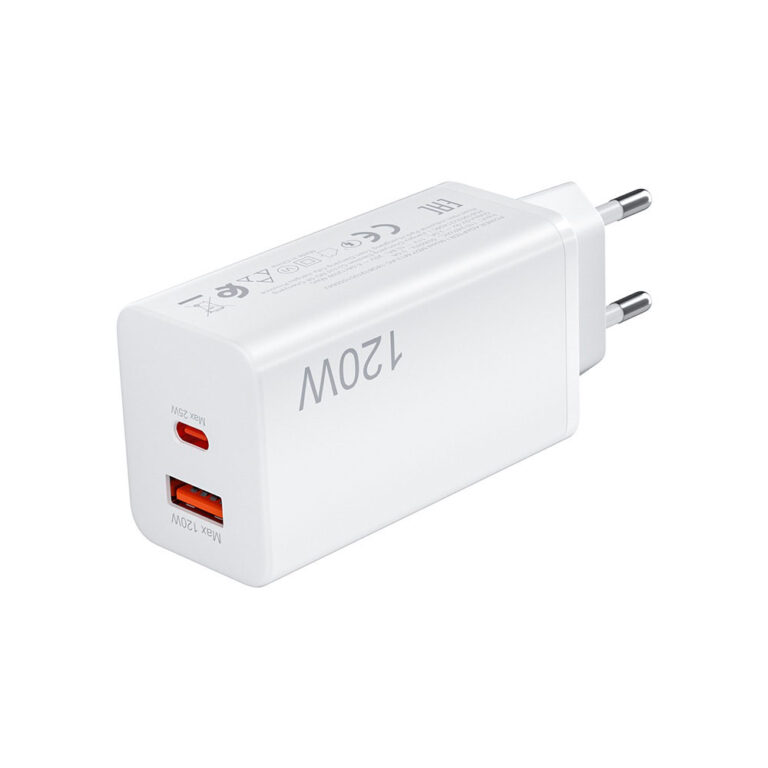
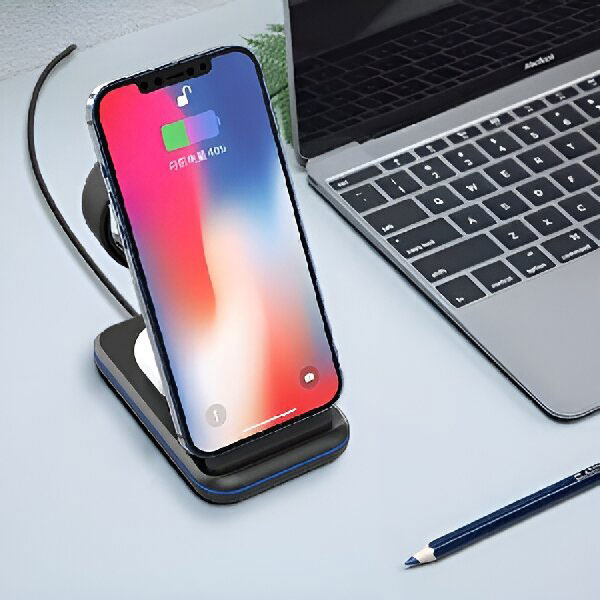
Power adapters sold internationally must carry the safety, EMC, efficiency, and environmental certifications required by each target market—the most common being CE (Europe), FCC (USA), UL/ETL (North America), PSE (Japan), CCC/CQC (China), CB (international), and GS/TUV (Germany). Each mark signals that the product was tested against specific standards for electrical safety, electromagnetic compatibility, and consumer protection. For manufacturers and importers, certification is the gate to market access and the foundation of trust.
(Last modified date: September 2, 2026)
What is the most important certification for power adapters? There is no single “most important” mark—it depends on the market. CE for Europe, FCC/UL for the US, PSE for Japan, and CCC for China are the essentials for those regions, with CB test reports mutually recognized across IECEE member countries.
Key Takeaways
- CE covers European safety, health, environment, and consumer-protection directives.
- FCC is mandatory for electronic/radio products entering the US market.
- UL, ETL, and CSA are the key North American safety marks; PSE is required for Japan.
- CCC (China Compulsory Certification) is a basic safety certification for the Chinese market.
- CB test reports are mutually recognized across IECEE member countries, reducing trade barriers.
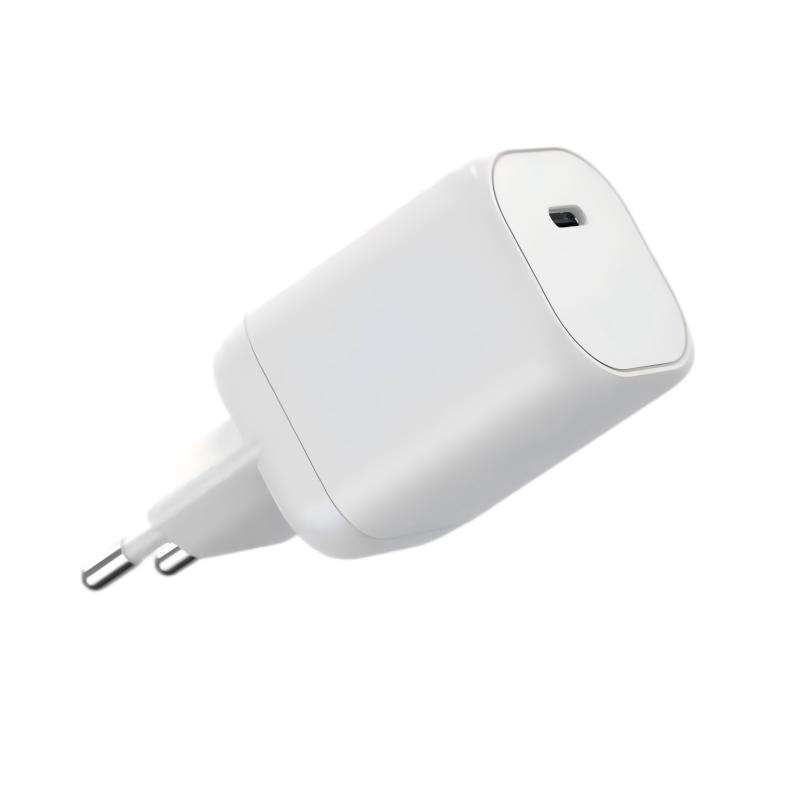
1. CE Certification (Europe)
A product with the CE mark complies with European directives on safety, health, environmental protection, and consumer protection. Products that meet the relevant requirements can be affixed with CE; those that do not cannot. CE certification is based on EN (European) standards, which member states adopt as legally binding national standards.
2. CCC Certification (China)
China Compulsory Certification (3C), introduced on May 1, 2002, requires products in the compulsory catalog to undergo mandatory testing and review; uncertified catalog products cannot be sold, imported, or shipped in China. The 3C mark is a basic safety certification, not a quality mark.
3. CQC Certification (China)
The China Quality Certification Center (CQC) authorizes CQC certification for products meeting national quality and safety standards—a voluntary mark that complements mandatory CCC where applicable.
4. CB Certification (International)
The CB Scheme is an international system operated by IECEE in which certification bodies test electrical products to IEC standards. The resulting CB test reports and certificates are mutually recognized within IECEE member countries, reducing international trade barriers.
5. PCT/GOST Certification (Russia)
Products entering the Russian customs territory must obtain a GOST conformity certificate from the Russian State Committee for Standardization and Metrology—equivalent to gaining market access for most products.
6. PSE Certification (Japan)
Japan’s DENAN Law requires safety certification for 498 product categories: 165 Class A products need the diamond-shaped PSE mark, and 333 Class B products need the circular PSE mark. Charger adapters sold in Japan require PSE certification.
7. ETL Certification (North America)
ETL (Electrical Testing Laboratories), founded by Edison in 1896, tests and issues marks to UL or American national standards. The “us” mark applies to the United States, “c” to Canada, and combined marks apply to both.
8. TUV Certification (Germany)
TUV Rheinland is a major German product-safety and quality certification body. TUV, FCC, CE, CSA, and UL are all recognized at the same authoritative level for market entry.
9. CSA Certification (Canada)
The Canadian Standards Association (CSA), founded in 1919, is Canada’s largest certification body. Electronic appliances in the North American market generally obtain CSA certification for product safety.
10. GS Certification (Germany)
GS (“Geprüfte Sicherheit,” safety certified) is a voluntary German safety mark based on the German Product Safety Act, tested to EU EN or German DIN standards. It is not legally required like CE, but GS-certified products are more competitive because safety awareness is deeply rooted among consumers.
11. UL Certification (USA)
UL (Underwriters Laboratories), founded in 1894, is the most authoritative independent safety laboratory in the United States, testing and certifying materials, devices, products, and equipment to protect life and property.
12. FCC Certification (USA)
FCC (Federal Communications Commission), established in 1934, is an independent US government agency. Many radio, communication, and digital products require FCC approval to enter the US market, covering electromagnetic compatibility and operator safety.
13. NF Certification (France)
NF is the code for French standards, implemented in 1938 and managed by AFNOR. NF service certification is a voluntary mark confirming that quality and reliability meet French, European, and international standards.
Conclusion
The certification set you need depends on your target markets. A comprehensive compliance package—electrical safety (UL/IEC 62368-1, PSE, CCC), EMC (FCC, CE), efficiency (DoE/CoC), and environmental (RoHS, REACH)—unlocks global sales and protects your brand. Work with manufacturers that hold these certifications and can provide test reports and certificates per market.
FAQs
What is the most important certification for power adapters?
There is no single “most important” mark—it depends on the market. CE for Europe, FCC/UL for the US, PSE for Japan, and CCC for China are the essentials for those regions.
Is CE certification required by law?
Yes, for products sold in the European Economic Area. CE is a mandatory conformity mark for adapters covering safety, EMC, and other directives.
What is the difference between CE and GS?
CE is legally required; GS is a voluntary German safety mark. A product with GS has been independently tested and is often perceived as safer and more competitive.
Can one certification cover multiple countries?
The CB Scheme provides test reports mutually recognized across IECEE member countries, significantly reducing duplicate testing. Regional marks like UL, PSE, and CCC are still required per market.
Do chargers need FCC certification?
Yes, most electronic and radio products, including chargers, need FCC approval to be sold in the United States, covering electromagnetic compatibility and safety.
Related Articles
- A Brief Guide To PD Fast Charging Protocol
- USB PD vs PPS: Which One Charges Faster?
- What Are the Common Certifications for Power Adapters?
Official Resources
References
- Certification descriptions follow the original article; verify current requirements with each certifying body [VERIFY].