
The energy story of a lamp is told over its lifetime, not at the counter: the LED consumes power for years, the charging module consumes power when devices charge, and the standby state consumes power whenever the lamp is plugged in. For an ESG-focused buyer, the lamp’s power design is therefore a supply-chain decision with a measurable footprint.
(Last modified date: September 2, 2026)
What drives a lamp’s lifetime energy use? The LED during use, the charging module when devices charge, and the standby draw whenever the lamp is plugged in. All three are design decisions with measurable footprints—and for a daily-use lamp, the operating chapters dominate the lifetime total.
Key Takeaways
- Lifetime energy has three chapters: use, standby, and production/disposal.
- A modern GaN-based charging module converts input to output with less waste and draws little in standby.
- Standby claims need a condition and method—”plugged in, light off, nothing charging.”
- Materials, packaging, and end-of-life design are the second half of the ESG picture.
- Every efficiency claim should have a document with a condition attached.
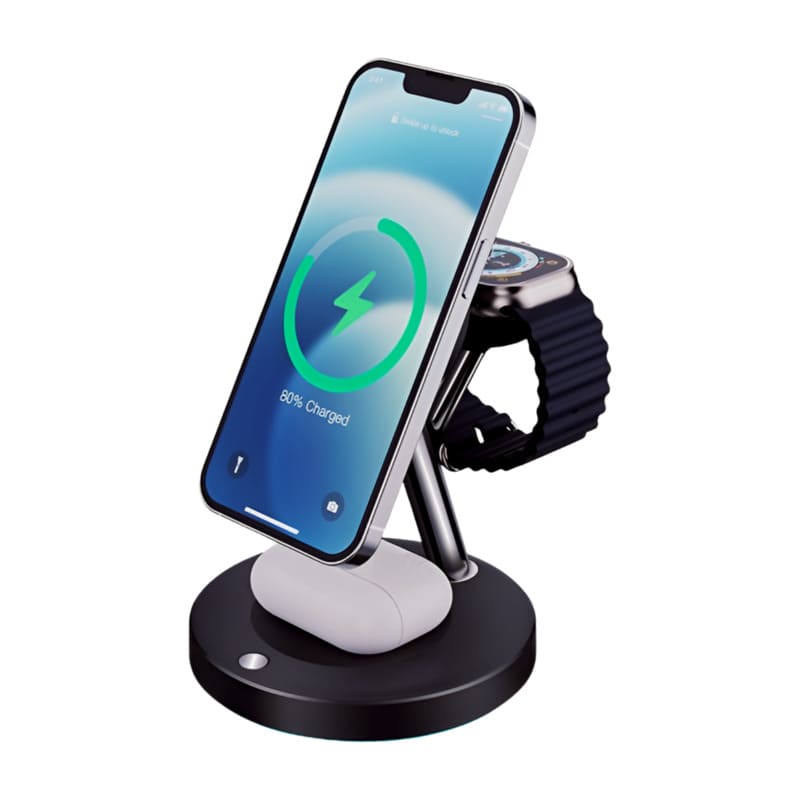
The Energy Story of a Lamp Over Its Lifetime
The lifetime energy of a lamp has three chapters: use (the LED and charging module during normal use—the largest chapter for a daily-use lamp), standby (a lamp always plugged in draws power even when the light is off and nothing charges), and production and disposal (the embodied footprint of materials, manufacturing, and end-of-life handling). The design decisions—LED driver efficiency, charging module efficiency, standby behavior, and materials—matter more than any single label. For a daily-use lamp, the operating chapters dominate the lifetime total, so operating efficiency outweighs the production footprint in most comparisons.
How Charging Efficiency Changes the Picture
The charging function adds a controllable variable: efficient charging stages (a modern GaN-based module converts input to output with less waste), standby behavior (the module’s idle draw is a design choice), and the combined condition (charging a phone from the lamp adds a load the design should handle efficiently). Efficiency claims should be backed by documentation, not marketing percentages. The standby measurement should state the condition—plugged in, light off, nothing charging—and the method used.
Expert view — WECENT project engineering team: “The ESG conversation about charging usually lands on the same two questions: how efficient is the module at the loads we use, and what does it draw when idle. Both are measurable, both belong in the documentation, and both are where a design either earns its sustainability story or loses it.”
Materials, Packaging and End of Life
The physical footprint is the second half of the ESG picture: materials (fewer materials and simpler construction reduce the footprint), packaging (minimized or recycled box, insert, and printed material), and end of life (a lamp designed for disassembly keeps materials in use; a glued-shut lamp does not). The supplier comparison should be a document comparison—efficiency data, standby measurements, materials lists, packaging specs, and end-of-life plans requested from every candidate in the same format.
Energy-Efficiency Regulations to Plan For
Requirements vary by market: EU ecodesign and energy-labeling rules apply to lighting products and can extend to combined behavior; US DOE programs cover certain products and standby behavior; and regional labels follow each market’s official framework. Map regulations per destination from official sources before the first shipment, and schedule the efficiency and safety documentation tracks together—market entry is set by the later of the two.
Questions for Your ESG Supply Chain Review
- What is the efficiency of the charging module at the loads we use, and where is it documented?
- What does the lamp draw in standby, and how is it measured?
- What materials, packaging, and end-of-life path does the product use?
- Which energy-efficiency regulations apply to each target market, and which documents are provided?
- How are efficiency and sustainability claims verified—by data and documents, not marketing?
- What testing and batch records accompany the product?
Frequently Asked Questions
What drives a lamp’s lifetime energy use?
The LED during use, the charging module when devices charge, and the standby draw whenever the lamp is plugged in—all design decisions with measurable footprints.
Does charging efficiency really matter for a lamp?
It matters for the energy consumed while charging devices and for standby draw; a GaN-based module reduces waste at the loads users actually run.
What is the standby draw of a modern lamp charger?
It depends on the design; a well-designed module draws little when idle. Ask for the measured standby figure rather than accepting a claim.
Which energy regulations apply to lamp chargers?
It depends on the market—EU ecodesign and labeling rules, US DOE programs, and regional frameworks. Map regulations per destination from official sources.
How should ESG claims be verified?
By data and documents: efficiency measurements, standby figures, materials lists, packaging details, and end-of-life documentation. Claims without documents are marketing.
Can WECENT provide efficiency documentation for a lamp line?
WECENT can confirm the efficiency and test details for its charging platforms. Share your target markets and configuration with the project team for the documentation set.
This article is part of Wireless Charger Products & OEM, the guide that covers this topic in decision order.
Related Articles
- Rechargeable Reading Lamps: Charging Specs That Decide the User Experience
- Embedding Charging Into Lamps: An OEM/ODM Design Guide
- Charging Solutions for Medical Lamps and Examination Lights
Official Resources
References
- U.S. Department of Energy – energy.gov
- European Commission – ec.europa.eu