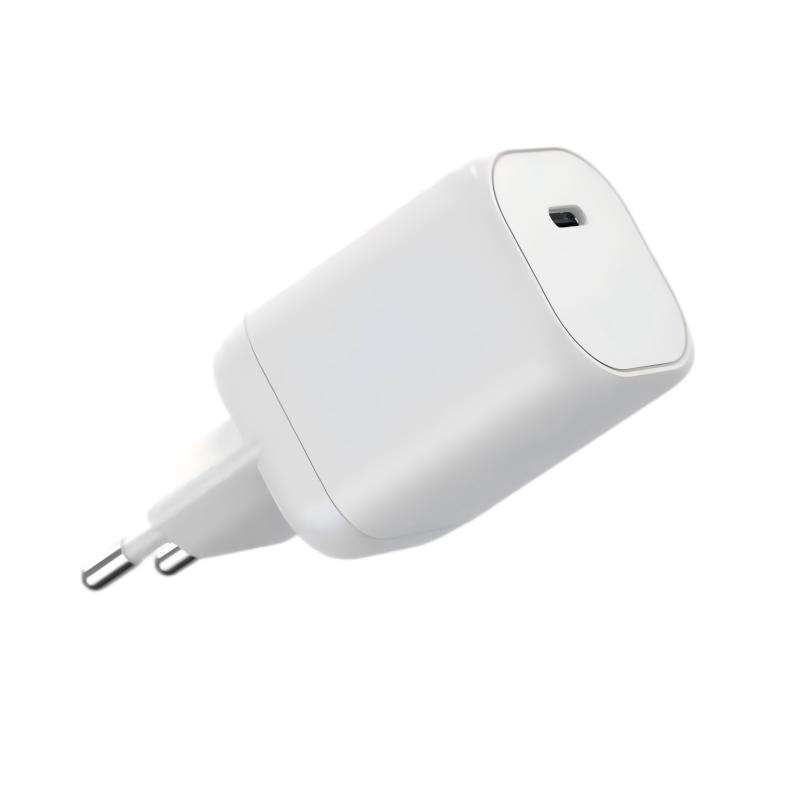
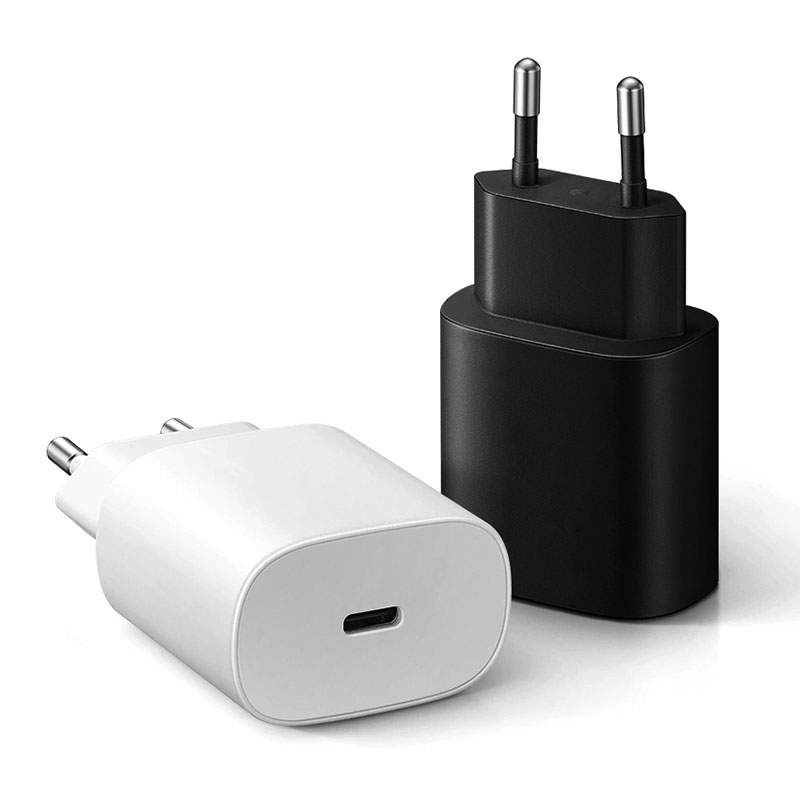
Dual-ecosystem users face a compatibility puzzle: iPhones fast charge over USB PD, while newer Samsung and Pixel phones want PD with PPS. The good news is that one charger can cover both — if it supports the right protocols and has enough wattage.
Why dual-phone users need protocol coverage
Fast charging is protocol-driven, not wattage-driven. An iPhone negotiates standard USB PD; many Android flagships need PPS (Programmable Power Supply) to reach their advertised speeds. A charger without PPS will charge the iPhone fine but cap the Android at slower speeds.
The compatibility gap is not about USB-C — both ecosystems use the same connector — but about the negotiation language. iPhone speaks plain PD; recent Samsung and Pixel models want PPS on top of PD; and some Chinese-brand phones prefer proprietary systems. A charger that supports PD but not PPS will fast-charge the iPhone while leaving the Android at its fallback speed, which is the exact disappointment a dual-phone user is trying to avoid.
PD for iPhone and PPS for Android in one brick
The one-charger solution is a USB-C charger that supports both PD and PPS. PD covers iPhone, iPad, MacBook and most devices; PPS adds the dynamic voltage window that Samsung, Pixel and others use. Check the spec sheet for both protocols before buying — "USB-C charger" alone does not guarantee PPS.
One brick can serve both because PD and PPS are not competitors but layers: PPS is an extension of PD that adds fine-grained voltage control. A charger with PD 3.0 + PPS covers iPhones at 20W, Samsung at 25–45W (model-dependent), Pixel at 18–30W, and most other USB-C devices. The spec sheet line to look for is literally "PD 3.0/PPS 3.3–11V" or similar — if it is absent, treat Android fast charging as unverified.
Wattage that satisfies both ecosystems
A 30–45W charger with USB PD coverage charges a phone from each ecosystem at fast speed. For simultaneous charging — two phones plus earbuds — 65W is the comfortable tier. The WET-100W-C 100W GaN adapter goes further for dual-phone-plus-laptop setups.
Multi-port layouts for two phones plus extras
Two USB-C ports (or USB-C plus USB-A) handle two phones; adding a USB-A port keeps old cables useful. Check the combined-output table: a 65W dual-port typically delivers 45W + 20W or similar, which fast charges both phones at once.
The layout that covers dual-phone households is two USB-C ports with one carrying the higher-power profile, plus optionally a USB-A port for legacy cables. When two phones charge at once, the combined output should fast charge both — a 65W dual-port delivering 45W + 20W does exactly that. Check the per-port numbers in the combined-output table, because port count alone never tells you the simultaneous speeds.
Two USB-C ports are the future-proof layout, but the port positions matter on a desk: ports on opposite sides keep cables tidy, while ports on one edge bundle them. For travel, ports on the same face as the plug fold flat. These ergonomic details decide whether the charger feels designed or generic, and they cost nothing to evaluate in a quick hands-on test.
Cable strategy for mixed households
One USB-C-to-C cable covers both phones if both use USB-C; a USB-C-to-Lightning cable covers older iPhones. For a mixed household, a short and a long USB-C cable plus one Lightning cable covers nearly every scenario.
Standardize on one 100W-rated USB-C-to-C cable per charging spot and one Lightning cable for the household's legacy devices. Because every modern phone negotiates over the same connector, a mixed household needs fewer cables than most people own — and fewer cables means fewer compatibility surprises. Color-code or label the household cables so the fast-charging cable is easy to identify.
Recommended configurations by usage pattern
| Usage | Recommended charger |
|---|---|
| One iPhone + one Android, sequential | 30W PD/PPS |
| Two phones at once | 45W dual-port PD/PPS |
| Two phones + earbuds | 65W multi-port |
| Two phones + laptop | 100W multi-port |
The usage-pattern table translates into concrete SKU guidance: sequential chargers need only 30W, simultaneous phone-plus-phone needs 45–65W, and adding a laptop pushes to 100W. The table also exposes the per-port requirement that most buyers miss — a 65W charger that allocates 45W + 20W satisfies the two-phone household, while a 65W design that allocates 60W + 5W does not. Listings that show the allocation table, not just the total, convert better with dual-phone buyers because the table answers their actual question. For private-label teams, the usage table doubles as a spec sheet for the factory: define the target allocation, and the supplier designs to it rather than shipping a generic allocation that happens to be close.
Protocol requirements for both ecosystems
The minimum spec is USB PD 3.0 with PPS support. For future-proofing, choose PD 3.1-capable chargers on USB Type-C so newer devices and EPR-capable laptops can negotiate higher power later. Apple's own fast-charge guidance confirms the iPhone side; PPS covers the Android side.
Recommended wattage for dual users
30W is the practical floor, 45W is the comfortable single-brick tier, and 65W covers simultaneous charging. If either phone is a large flagship, size up one tier — the extra headroom costs little and avoids "slow charging" surprises.
The right number is the simultaneous load, not the device count: two phones charging one after another need only 30W; two phones at once need 45–65W depending on per-port output; two phones plus a laptop need 100W. Multi-port models publish per-port and combined-output tables — read those tables before buying, because two "65W" chargers can allocate power very differently.
Port layouts for two phones
Two USB-C ports are the cleanest layout for two modern phones; a USB-C plus USB-A layout helps if one user has legacy cables. Verify each port's individual output: a "65W" charger that only delivers 15W on the second port will disappoint.
Testing fast charging on both phones
Test with both phones: watch for the "fast charging" indicator on Android and compare the first 30 minutes of charge on iPhone. A charger that shows fast charging on both ecosystems passes the real test; one that only fast charges iPhone fails it.
A disciplined test uses the same cable, the same battery level (below 50%), the same ambient, and a fixed window. Record the first-30-minute charge gain on each phone with each charger. The results belong in the product page — a dual-ecosystem claim backed by a measured table is marketing no competitor can copy easily.
Building a dual-ecosystem product line
For brands, "iPhone + Android in one charger" is a strong positioning: spec PD + PPS across the lineup, publish the compatibility matrix, and pair it with the right multi-port GaN chargers, a category the industry is pushing toward high density. The Samsung 25W PPS charger shows the Android end; a 100W dual-port covers the whole household.
For brands, the dual-ecosystem positioning is a real differentiator in a market full of single-ecosystem messaging. Publish a compatibility matrix (iPhone, Samsung, Pixel, Nothing, common Chinese brands), verify it in testing, and update it as new devices launch. A matrix that is maintained is marketing; one that goes stale becomes a support liability.
FAQ
Can one charger fast charge both an iPhone and an Android?
Yes, if it supports USB PD for iPhone and PPS for Android. Check the protocol list — wattage alone does not guarantee Android fast charging.
What wattage is best for a dual-phone user?
30–45W covers one phone at a time; 65W covers two phones simultaneously. Size up if you also charge a laptop.
Does an iPhone charger work with Samsung phones?
Usually at basic PD speeds, but Samsung's fastest speeds need PPS. A PD + PPS charger is the safe choice for both.
Do I need two cables for two phones?
One USB-C-to-C cable covers both modern phones; add a Lightning cable for older iPhones.
Building chargers that cover both ecosystems? Send your lineup plans to our team through the contact page — we can spec PD + PPS support across your SKUs and verify compatibility in testing.
This article is part of iPhone Chargers, the guide that covers this topic in decision order.