A modern smartphone lithium battery typically lasts about 500 charge cycles—roughly two to four years of normal use—before capacity noticeably degrades. A “cycle” means the battery going from full to empty and back to full (or the equivalent total discharge), not one plug-in. With batteries over 4,000 mAh, normal users can expect two-plus years of comfortable life; with good charging habits, three to five years is realistic before replacement is needed.
Last updated:
How long is the life of a mobile phone battery? Lithium batteries last about 500 cycles; a cycle is total discharge, not the number of times you plug in. Typical battery life is 2+ years under normal use and 3–5 years with good charging habits before replacement is needed.
Key Takeaways
- Lithium batteries last about 500 cycles; a cycle is total discharge, not the number of times you plug in.
- Modern batteries need no 12-hour activation and can be charged at any time.
- Typical battery life: 2+ years normal, 3–5 years with good habits.
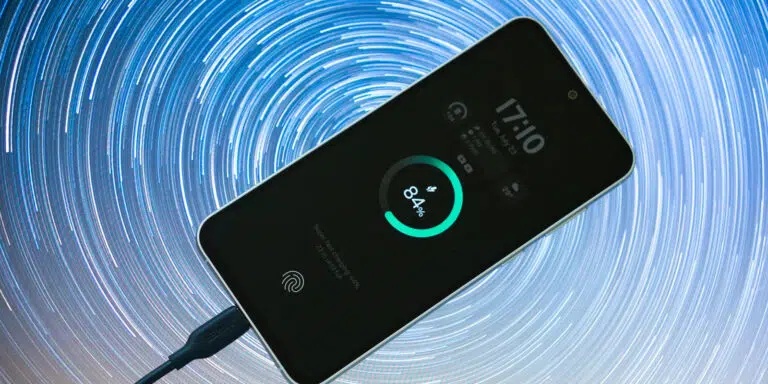
- Extend life by charging above 20%, keeping charge at 60–80%, using certified chargers, and avoiding all-night top-ups.
- Replace the battery when the phone lasts only 1–2 hours per charge or shows charging faults.
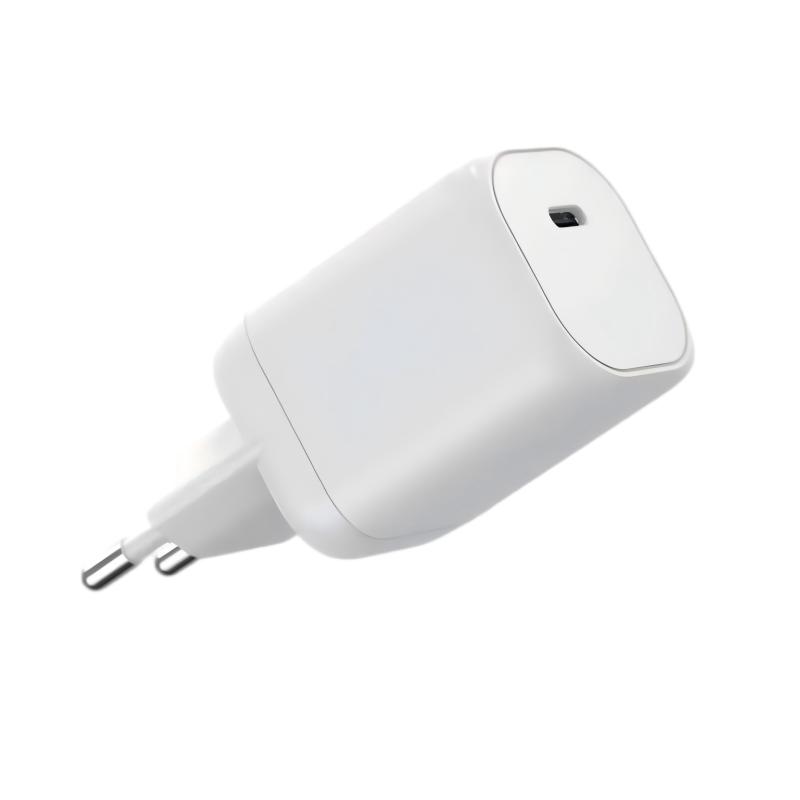
How Long Is the Life of a Mobile Phone Battery?
Mobile phone batteries are generally lithium batteries; older phones used nickel-metal hydride cells with a “memory effect” that required 12-hour activation charging. Today's lithium batteries do not need special activation—charge them normally from day one. A lithium battery's lifespan is about 500 cycles. A cycle is not the number of charging times: it is the process of the battery going from full to empty and back to full. If you charge from 100% to 50% and recharge twice, that is one cycle.
Modern phones with more than 4,000 mAh can typically reach two-plus years under normal use. When cycles accumulate, the battery can still be used but capacity may fall to around 60% of its initial value.
When Does a Mobile Phone Need a Battery Replacement?
Modern phone batteries are very durable; generally they can be used three to five years without replacement. Bad charging and usage habits can shorten that to two or three years. Signs the battery is near end of life: the phone lasts only one or two hours per full charge, cannot be charged, has poor contact, or shuts down unexpectedly. At that point, consider replacing the battery—or the phone if it is more than three years old and otherwise slow.
How to Extend Battery Life
- Don't wait until the battery is exhausted: start charging above 20% to reduce deep-discharge stress.
- Recharge whenever you have the chance: frequent partial charges are healthier than full cycles.
- Keep the power at 60–80% when possible: this state minimizes chemical stress and maximizes longevity.
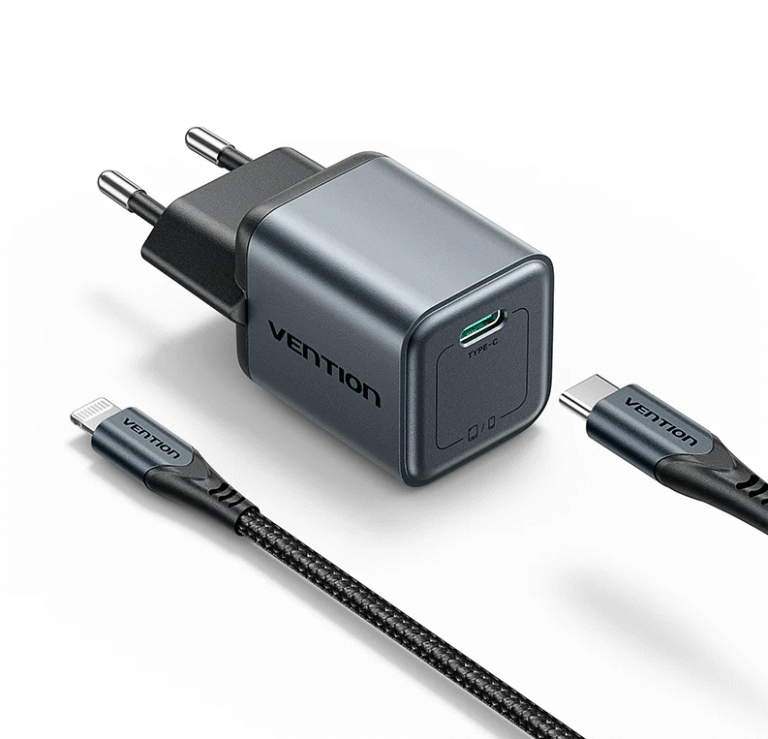
- Use a regular, certified charger: counterfeit or incompatible chargers damage the battery.
- Don't charge all the time: keeping the battery at full charge accelerates loss—avoid habitual overnight charging when possible.
Final Thoughts
Taking good care of the battery and developing correct charging habits increases battery life and lets the phone serve longer. When the battery becomes obviously less durable, cannot be charged, has poor contact, or causes shutdowns, consider replacement.
Daily runtime and battery service life are different measures
Daily runtime depends on workload, signal strength, display use and software, while service life tracks how capacity and performance change over months and charge cycles. Google’s Android battery guidance provides practical checks for abnormal drain; the phone maker’s model-specific battery service guidance remains the deciding source.
| Measure | Evidence to collect | What can distort it |
|---|---|---|
| Runtime per charge | Starting level, screen time, radio use and workload | Comparing a standby day with a navigation or gaming day |
| Capacity health | Manufacturer diagnostic or service reading | Inferring capacity from one short charge session |
| Charge cycles | Cycle count where the device exposes it | Counting plug-ins rather than equivalent full cycles |
| Replacement need | Unexpected shutdowns, swelling, heat or materially reduced usable runtime | Ignoring a software or network issue that causes drain |
Repeatable battery-health check
- Update the phone and review battery-use statistics by app.
- Repeat a normal-use day from a similar starting charge.
- Check for heat, swelling or unexpected shutdowns.
- Run the manufacturer’s diagnostic before buying a replacement.
- Use an authorized service route when the battery is swollen or physically damaged.
FAQs
How many charge cycles does a phone battery last?
About 500 cycles is the typical rated lifespan for lithium-ion phone batteries. One cycle equals the total discharge of 100% of capacity, not the number of times you plug in.
Does charging overnight damage the battery?
Modern phones stop charging at 100%, but keeping the battery at full charge for long periods accelerates chemical aging. Avoid habitual overnight charging when practical.
Should I wait until my phone is empty before charging?
No. Lithium batteries prefer partial charges; charging above 20% and keeping the level around 60–80% extends battery life.
When should I replace my phone battery?
Replace it when the phone lasts only one or two hours per charge, cannot be charged reliably, shows poor contact, or shuts down unexpectedly.
Can a poor charger damage the battery?
Yes. Counterfeit or incompatible chargers can deliver unstable voltage and current, accelerating battery damage. Use certified chargers and cables.
This article is part of Power Banks & Power Stations, the guide that covers this topic in decision order.
Related Articles
- Why Does My Phone Stop Charging at 80?
- 5W vs 20W vs 30W iPhone Charger: Which One Is Truly the Fastest?
- How to Choose a Mobile Phone Charger?
Official Resources
References
- Cycle-life and charging-habit guidance follow the original article and common lithium-battery practice.