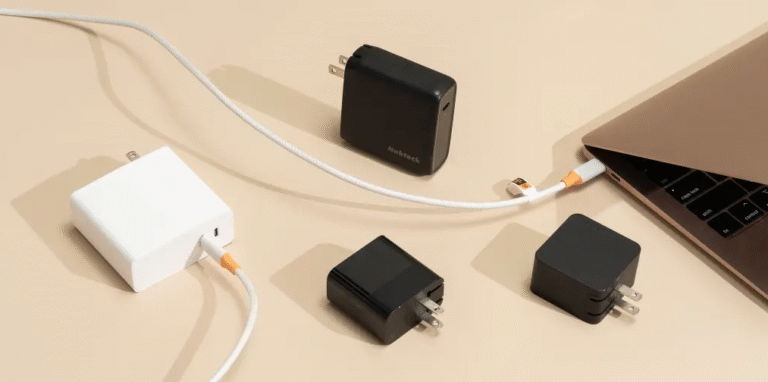
Why “US, UK, EU, AU, China and Korea chargers” is three questions, not one
When a buyer asks how these chargers differ, they are usually mixing three separate specs into one: the plug shape, the voltage and frequency the supply expects, and the certification marks the market requires. Two of the six markets below share a plug but not a frequency; two more share a voltage but not a plug. Getting the three specs separated is what stops a launch from being re-tooled twice.
The short answer: there are four physical plug families across these six markets, two voltage regions (100–130V and 220–240V), and no single SKU that is legal everywhere without a swappable or regional plug platform.
The four plug families
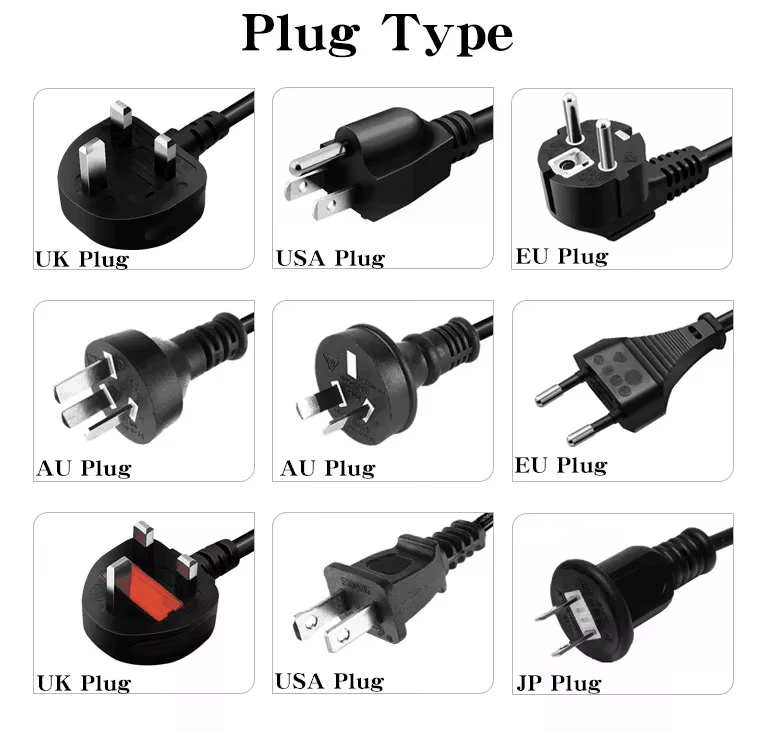
Almost every charger on the market is built on one of four pin geometries. The letters below are the IEC type names your contract manufacturer will recognise; the regional lists are the ones that matter when you plan a SKU.
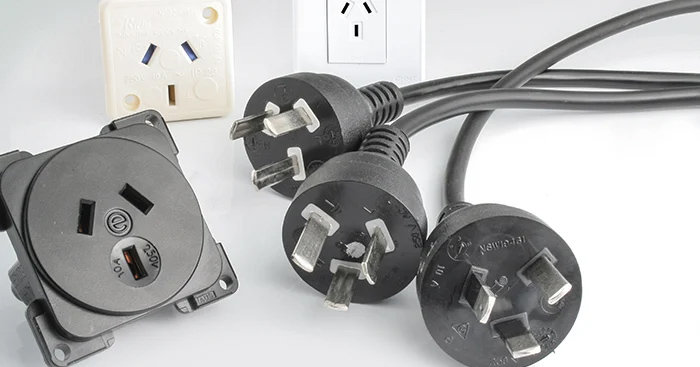
Type I — China, Australia, New Zealand, Argentina
Two flat pins in a V with a third flat earth pin below, rated 10A or 15A depending on the variant. China’s plug is a hybrid: the two-pin socket accepts both Type A and Type I, which is why Chinese-market chargers often ship with a Type I body and a foldable Type A adapter in the box. The Australian variant is the same geometry with a wider approval scope.
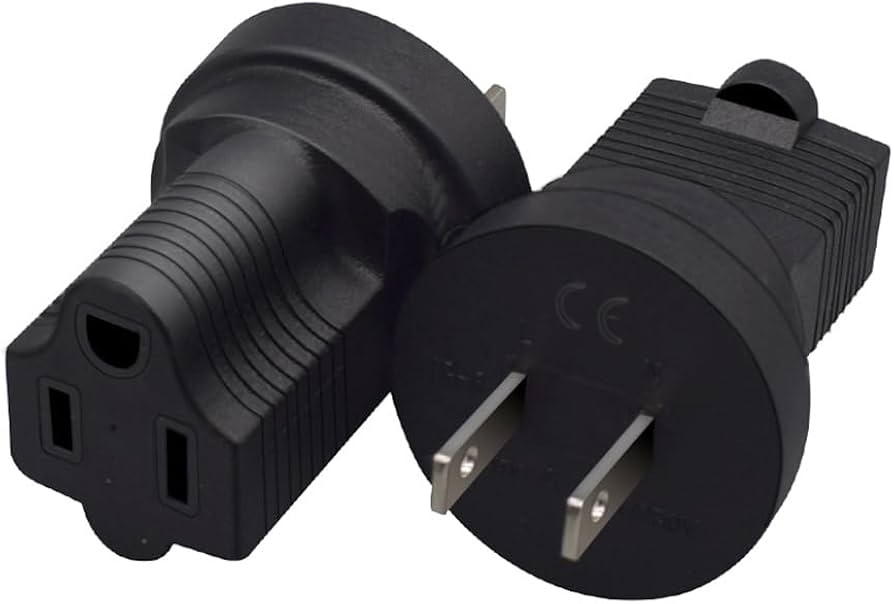
Type A and B — United States, Canada, Japan, Brazil, Philippines, Thailand, Taiwan
Two flat parallel blades, with an optional round earth pin (Type B). The ungrounded version is what most two-prong chargers use, which is why a US-market charger will physically fit a Japanese or Taiwanese socket without an adapter even though the nominal voltages differ.
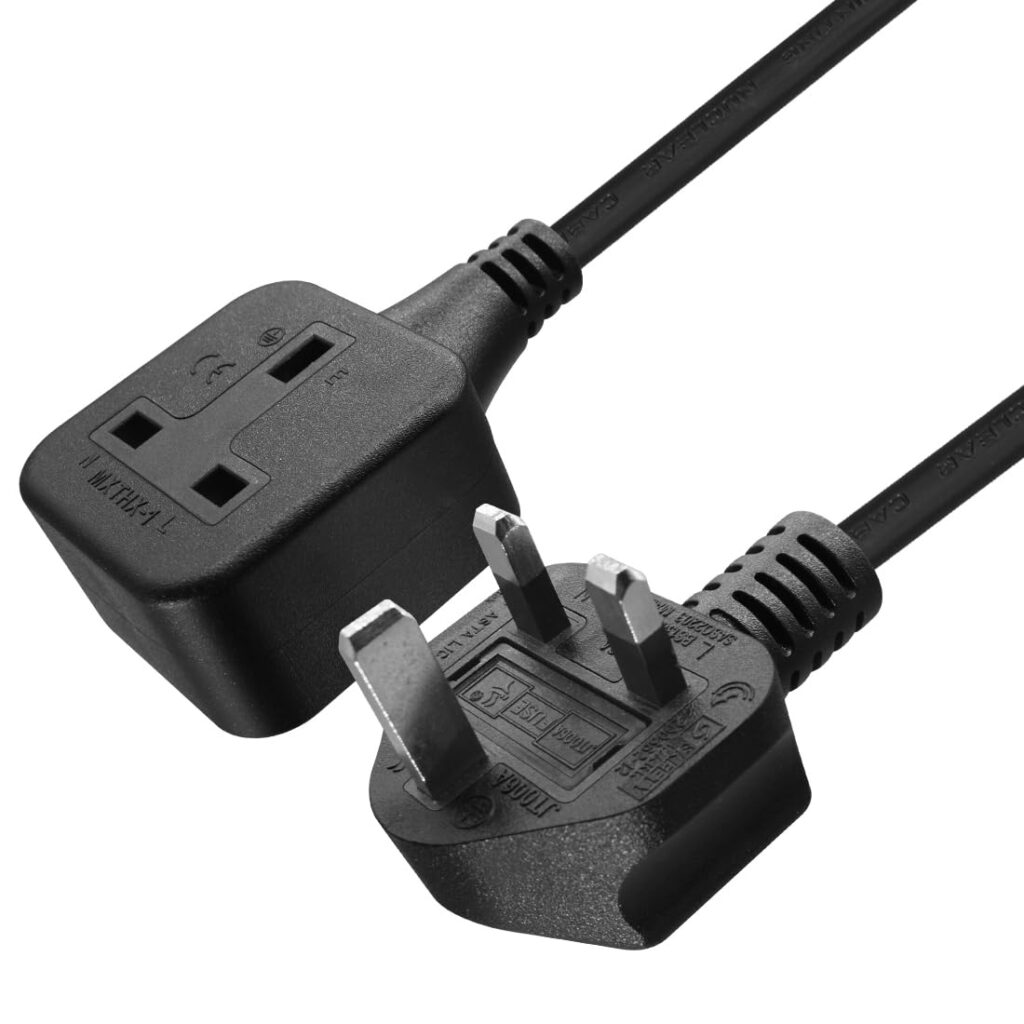
Type G — United Kingdom, Hong Kong, Singapore, Malaysia, India, Pakistan, Vietnam, Indonesia, Qatar
Three rectangular pins in a triangular arrangement, with a fuse in the plug itself. That fuse is the detail OEMs forget: a UK-market charger is not just a re-shelled EU design, because the plug assembly carries a safety component the EU version does not have.
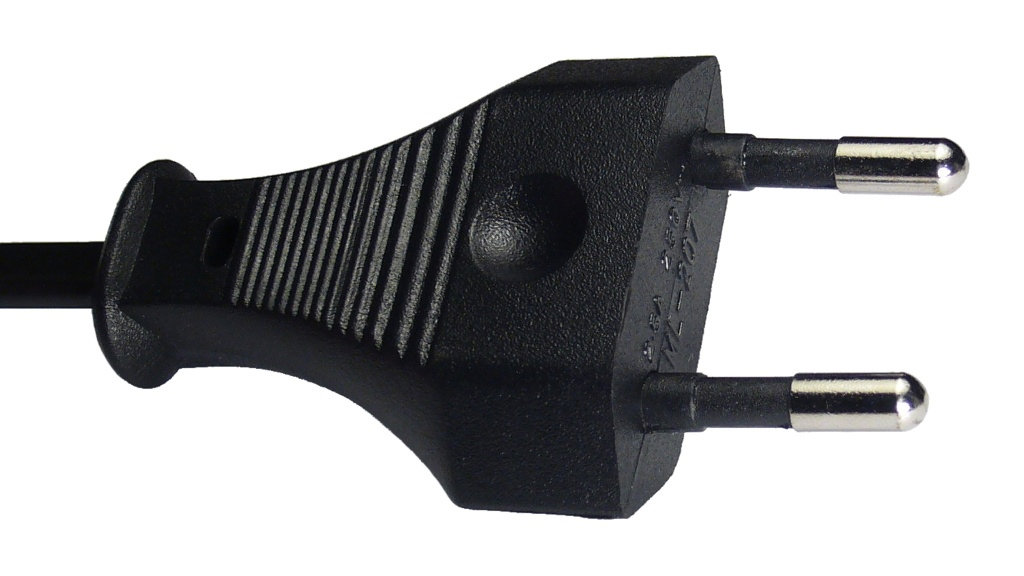
Type C, E and F — EU countries, South Korea, Russia
Two round pins, 4.0mm or 4.8mm depending on the variant, with an earth clip (Type E) or side contacts (Type F) where earthing is required. Two-pin Europlugs are unearthed by design; high-wattage chargers therefore ship with the E/F variant rather than the flat Europlug.
Voltage is a separate axis from the plug
Two regions cover almost the whole world, and they do not line up with the plug families:
100–130V: Taiwan, the United States, Canada, Mexico, Japan (100V), Panama, Cuba, Lebanon and roughly thirty others.
220–240V: China, Hong Kong (200V), the United Kingdom, Germany, France, Italy, Australia, India, Singapore, Thailand, the Netherlands, Spain, Greece, Austria, the Philippines, Norway, South Korea and about 120 more.
Frequency is the quiet third variable. Korea runs 220V at 60Hz while the EU runs 230V at 50Hz — the same plug, a different grid. A charger rated 110–240V / 50–60Hz covers both, which is why the input range on the label is the line to check first, not the wattage.
Where Korea and China trip people up
Korea looks like Europe at a glance — 220V and round pins — so teams often assume an EU SKU can be badged for Korea. It cannot. The 60Hz grid, the KC certification regime and the domestic plug standard are all separate, and a charger that passes CE does not carry KC.
China is the mirror image. It is 220V like Europe, but the socket is Type I with Type A compatibility. A Chinese-market SKU therefore needs different tooling from the EU version even though both run on 220–240V.
What this means when you source
Six markets, four plug shapes, two voltage regions and at least five certification regimes add up to a simple design decision: fixed plug or swappable plug.
- Fixed plug is cheaper per unit and smaller. It also means one SKU per market, separate tooling, separate safety approvals and no way to rebalance stock between regions.
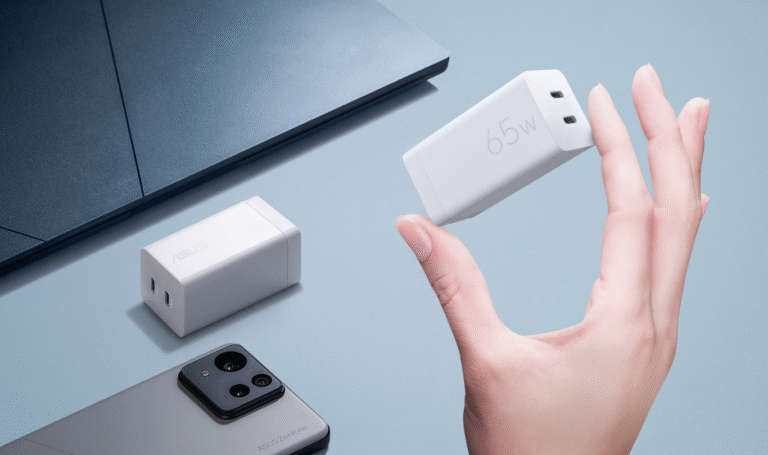
- Swappable plug uses one electrical design with interchangeable plug heads. You certify the electrical platform once per region and ship the head that matches the destination, which is how a single 65W design covers US, UK, EU, AU, China and Korea without six separate boards.
The break-even sits around three markets. Below that, fixed plug wins on unit cost; from four markets upward, the swappable platform usually wins once you count tooling, approvals and inventory risk.
FAQ
Can I use a US charger in Europe with a plug adapter?
Only if the label says 110–240V input. A 120V-only charger plugged into a 230V socket fails immediately. A dual-range charger plus a passive plug adapter is safe; a travel voltage converter is only needed for single-voltage appliances.
Is a UK charger the same as an EU charger inside?
The electrical design can be identical, but the UK plug body carries its own fuse and a different approval file. Treat the UK as its own SKU unless you are on a swappable plug platform.
Do I need a separate charger for Korea?
Electrically you need a 220V / 60Hz-capable design and KC certification; the plug itself is the same geometry as Europe. It is a separate certification, not necessarily a separate board.
Which single input range covers the most markets?
100–240V at 50/60Hz is the widest practical range and the one to specify. It covers every market in this article, and it lets one platform serve a swappable plug system worldwide.
This article is part of Travel Chargers & Plug Adapters, the guide that covers this topic in decision order.