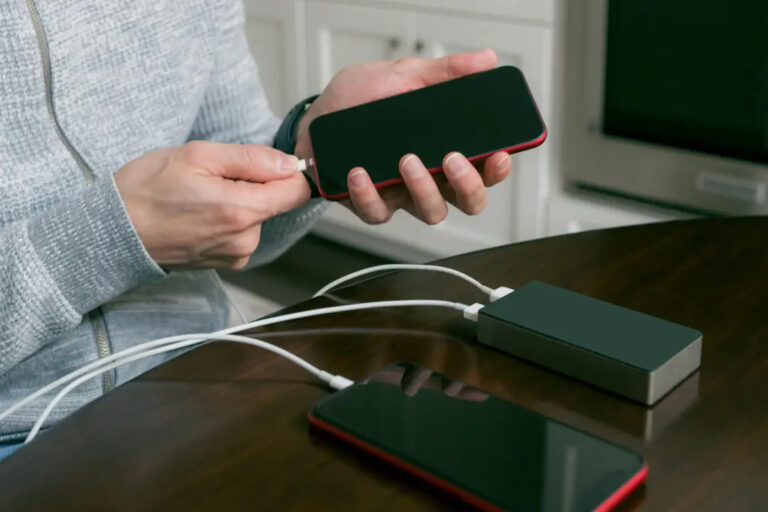
Slow charging, fast charging, and super flash charging differ mainly in charging protocols, cables, and output power. Standard charging typically delivers 5W–10W (5V/1A or 5V/2A); fast charging runs 18W–27W by raising voltage or current (QC, PD); super flash charging reaches 40W–120W+ using higher voltage and current—usually a manufacturer’s private protocol requiring its own charger and cable.
(Last modified date: September 2, 2026)
What are the differences between slow, fast, and flash charging? Slow charging uses the standard USB protocol (5W–10W) and takes the longest; fast charging (18W–27W) raises voltage or current via protocols like QC and PD; super flash charging (40W–120W+) is a dynamic, usually private protocol that needs the manufacturer’s own charger and cable for full speed.
Key Takeaways
- Slow charging: 5W–10W, standard protocol, ~4–5 hours for a 5,000 mAh battery.
- Fast charging: 18W–27W via QC/PD, ~1.2–1.5 hours for a 5,000 mAh battery.
- Super flash charging: 40W–120W+, dynamic private protocols, ~20–30 minutes to 80%.
- Fast charging raises voltage (more heat); flash charging lowers voltage and raises current (heat moves to the charger).
- Charge safely: don’t cover the phone, avoid gaming while charging, plug the charger in first, and avoid long computer-USB charging.
Slow Charging (Standard Charging)
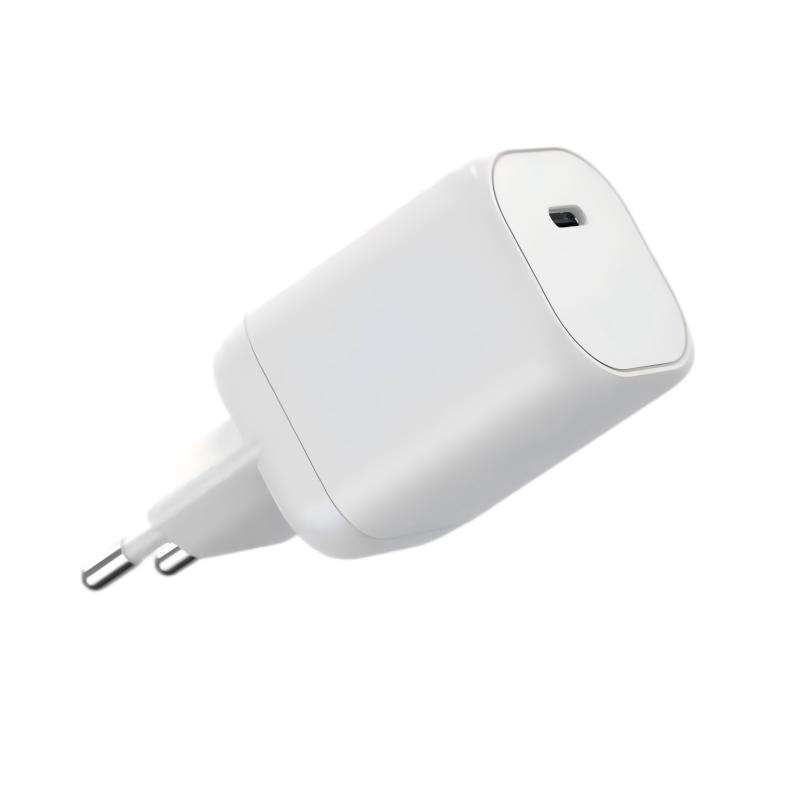
With the standard USB charging protocol, output is usually 5V/1A or 5V/2A (5W or 10W), so charging is slow. For a 5,000 mAh battery with a 5W charger, the required charging time is roughly 3.7 hours by calculation; with real-world energy loss, actual charging time is around 4–5 hours. Typically, a 5W charger charges a 5,000 mAh battery to 1% in about 3 minutes.
Fast Charging
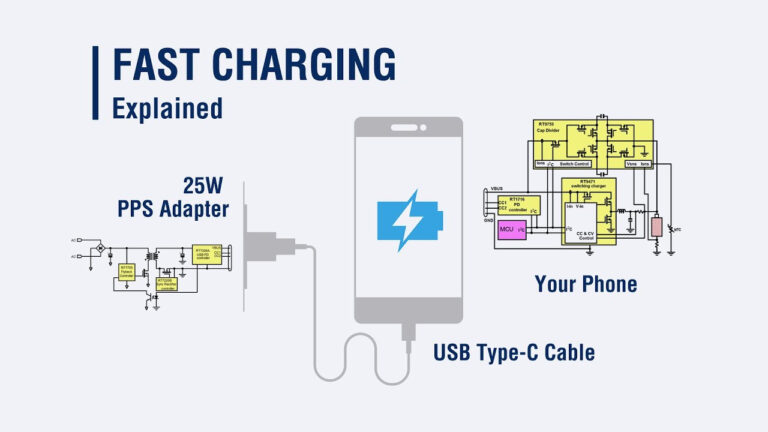
Fast charging delivers 18W–27W by increasing voltage or current, or both. Common protocols include QC and PD, with common chargers at 9V/2A or 9V/3A. With an 18W charger, a 5,000 mAh battery can charge to 1% in about one minute and to 35% in 40 minutes; considering losses, a full charge takes about 1.2–1.5 hours.
Super Flash Charging (Super Fast Charging)
Super flash charging is extremely fast, with common power of 40–50W and peaks reaching 120W. Manufacturers generally claim max 67W or max 120W using higher voltage and current. This is basically a private protocol—manufacturers’ chargers are not compatible with each other, and only the manufacturer’s own dedicated charger and cable deliver super flash charging power. According to manufacturer claims, it takes 20–30 minutes to fully charge 80%.
How to Tell Charging Speed from the Notification Bar
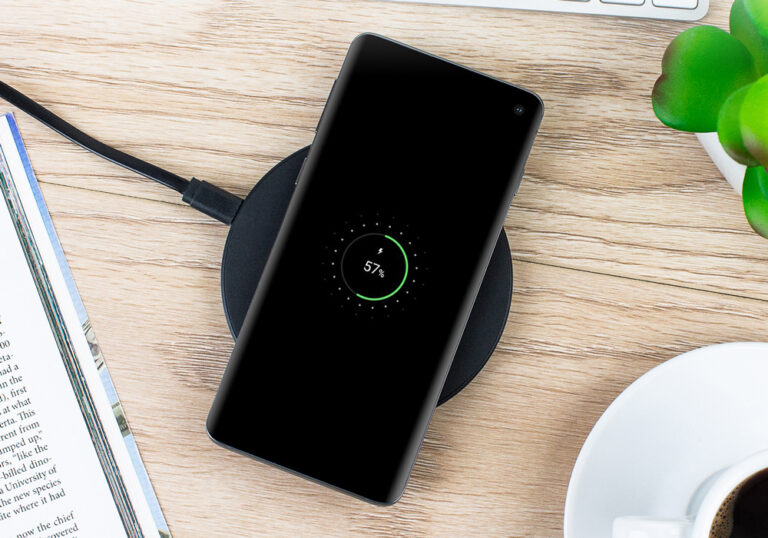
- Slow charge: a lightning symbol appears next to the battery icon.
- Fast charging: displays two lightning symbols.
- Super fast charging: a large lightning symbol or gold charging logo, sometimes with “Max 67W” or “Super Fast Charge Turbo.”
Fast Charging vs Flash Charging: Advantages and Disadvantages
Fast charging raises voltage and lowers current: with low current it has strong compatibility and low requirements for chargers and cables. The disadvantage is that higher voltage generates more heat, causing the phone to heat up and affecting battery life.
Flash charging lowers voltage and raises current: heat is transferred to the charging head, making it safer. The disadvantage is that large current requires a special charging head and cable, raising cost.
Warm Tips on Mobile Charging
- Don’t cover your phone while charging—it runs at high temperature and covering it affects heat dissipation.
- Don’t play your phone while charging—it keeps the charger working, which may cause aging and even accidents.
- Connect the power supply first, then the phone: plug the charger into the socket, then the data cable into the phone.
- Don’t use a computer USB port to charge your phone for long periods—it can damage the lithium battery and shorten battery life.
Related Articles
- 5W vs 20W vs 30W iPhone Charger: Which One Is Truly the Fastest?
- A Brief Guide To PD Fast Charging Protocol
- USB PD vs PPS: Which One Charges Faster?
Official Resources
References
- Charging-time calculations and protocol descriptions follow the original article; verify with device manufacturers.
FAQs
What are the differences between slow, fast, and flash charging?
Slow charging uses the standard USB protocol at 5W–10W; fast charging delivers 18W–27W via QC/PD by raising voltage or current; super flash charging reaches 40W–120W+ with dynamic, usually private protocols.
How long does each method take for a 5,000 mAh battery?
Roughly 4–5 hours with a 5W charger, about 1.2–1.5 hours with 18W fast charging, and around 20–30 minutes to 80% with super flash charging.
Is fast charging safe for the phone battery?
Fast charging generates more heat than slow charging; flash charging moves heat to the charging head. Use certified chargers and cables and follow safe charging habits.
Can I use any charger with any phone for flash charging?
No. Super flash charging is usually a private protocol—full speed requires the manufacturer’s own charger and cable.
This article is part of Phone Chargers, the guide that covers this topic in decision order.