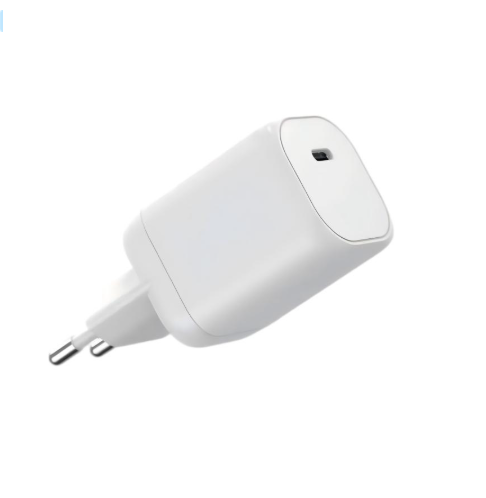
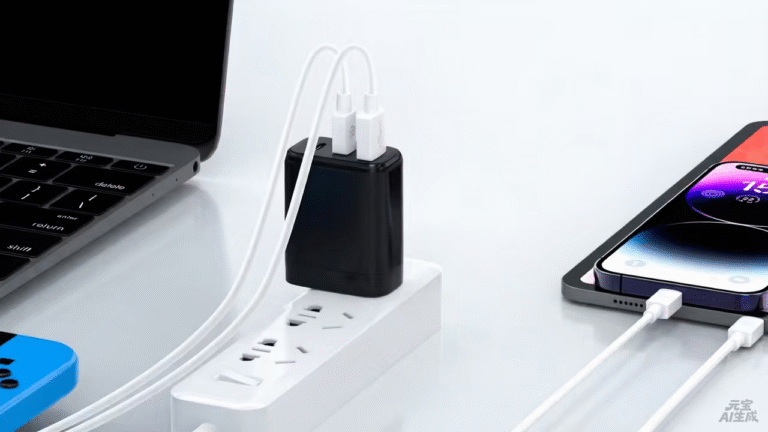
A charger return that starts with a loose or broken USB-C port is often a receptacle and a solder-joint problem, not a protocol problem. This page is a verification method for a commonly cited 10,000-cycle claim. That figure appears in published USB-IF Type-C connector language as a family minimum; it is not a WECENT rating, and it is not a number to copy onto a carton until a method, a sample size and a pass/fail have been required and measured. Buyers should re-verify the current official edition before a launch.
Program context is in travel chargers and plug adapters, OEM and ODM, and quality control.
What a “10,000-cycle” USB-C receptacle claim is, and where that figure comes from
A “10,000-cycle” USB-C receptacle claim is a durability rating to verify, not a number to copy onto a carton. In published USB-IF Type-C text, a 10,000-cycle minimum appears for the connector family. That figure is not a WECENT rating. A buyer should require a method, a sample size and a pass/fail before using it.
The figure is widely repeated on sell-sheets as if it were a tested result for a named jack in a named housing. It is not that result until a test has been run on the construction you will ship, including the solder joint and the shell support in that housing.
How an OEM buyer should verify the claim: method, sample size, and pass/fail
Write a verification as a method, a sample size and a pass/fail, not as a repeated headline. The method should state the mating connector, a cycle rate, a mounting that represents the product housing, and the inspections after the cycles: visual damage, a feel or a mechanical play, contact resistance, and extraction force if the official method uses it. The sample size should be large enough to refuse a tool-go, and should include more than one cavity or lot if more than one is in use. This page does not invent a sample size as a WECENT standard. Twelve or twenty-four units are a snapshot you can actually run; they are not a process-capability study.
USB-IF language versus a factory’s marketing number — verify current official text
USB-IF language and a factory marketing number are not the same document. In published Type-C cable and connector specification text opened for this work, a durability rating of 10,000 cycles minimum is stated for the USB Type-C connector family, with a referenced test (including EIA 364-09 in the edition opened), a stated rate on the order of 500 ± 50 cycles per hour, no physical damage, and an extraction-force window after the cycles (6–20 N in that opened text). A newer edition is listed in the USB-IF document library, including USB Type-C Cable and Connector Specification Release 2.5. You should open the current official edition and confirm the figure, the method and the pass/fail before you write them into an RFQ.
The USB-IF document library and USB-IF compliance pages are the places to confirm that edition, including any later Type-C release and any current compliance document. Safety of the charger as a product, separate from the connector family rating, sits with the project standard and, where a CB report is used, the IECEE CB Scheme. A European low-voltage framework, where it applies, is in Directive 2014/35/EU. Efficiency rules for the supply, where they apply, are summarised by the U.S. Department of Energy. A factory slide that only says “10,000 cycles” is not that edition.
| Source | What it can support | What it cannot support |
|---|---|---|
| Current USB-IF Type-C specification, opened and dated | The family durability rating and the official method, as written in that edition | A claim that a named WECENT housing has passed it |
| A factory marketing number, “10,000 cycles” | A prompt to ask for a method and a report | A carton claim, or a WECENT rating |
| A test report on the jack in the intended housing, with sample size and pass/fail | A product-level verification, for the revision tested | A later housing or a cheaper substitute jack |
Incoming inspection versus design qualification: two different tests
Design qualification is a longer cycle test on the intended housing, done before tool-go and after a jack or a PCB change. Incoming inspection is a shorter check that the jack you received is the approved part: dimensions, plating as specified, a mechanical gauge, and a sample cycle if you have agreed one. Do not treat a receiving-inspection tick as a 10,000-cycle qualification. Do not treat a qualification report on a development board as an incoming check on production jacks. Both belong in the file; they answer different questions. Factory-visit context is on the factory page, and does not replace a written method.
Failure modes: housing, shell, and solder-joint, not only “the port feels loose”
A port that “feels loose” is only one symptom. The housing can crack around the opening, the shell can deform, a retaining feature can let go, and a solder joint can crack while the connector face still looks intact. A cycle test that only cycles a jack in a fixture, and never looks at the solder joint in your PCB and your housing, will miss the return you will actually receive. Specify support, a shell-ground path, and a post-cycle electrical and mechanical inspection of the joint.
Writing a cycle-life clause that a factory can be held to
Write a clause that names the official or agreed method, the edition, the sample size, the mounting, the pass/fail (including post-cycle extraction force and contact resistance if the method uses them), the rule for a failure, and the rule for a jack or PCB substitution. “Meets 10,000 cycles” is not a clause. Attach the method. Require a report, and require a new qualification if the jack, the vendor, the PCB or the housing support changes.
How this method article pairs with A082’s connector-supplier qualification
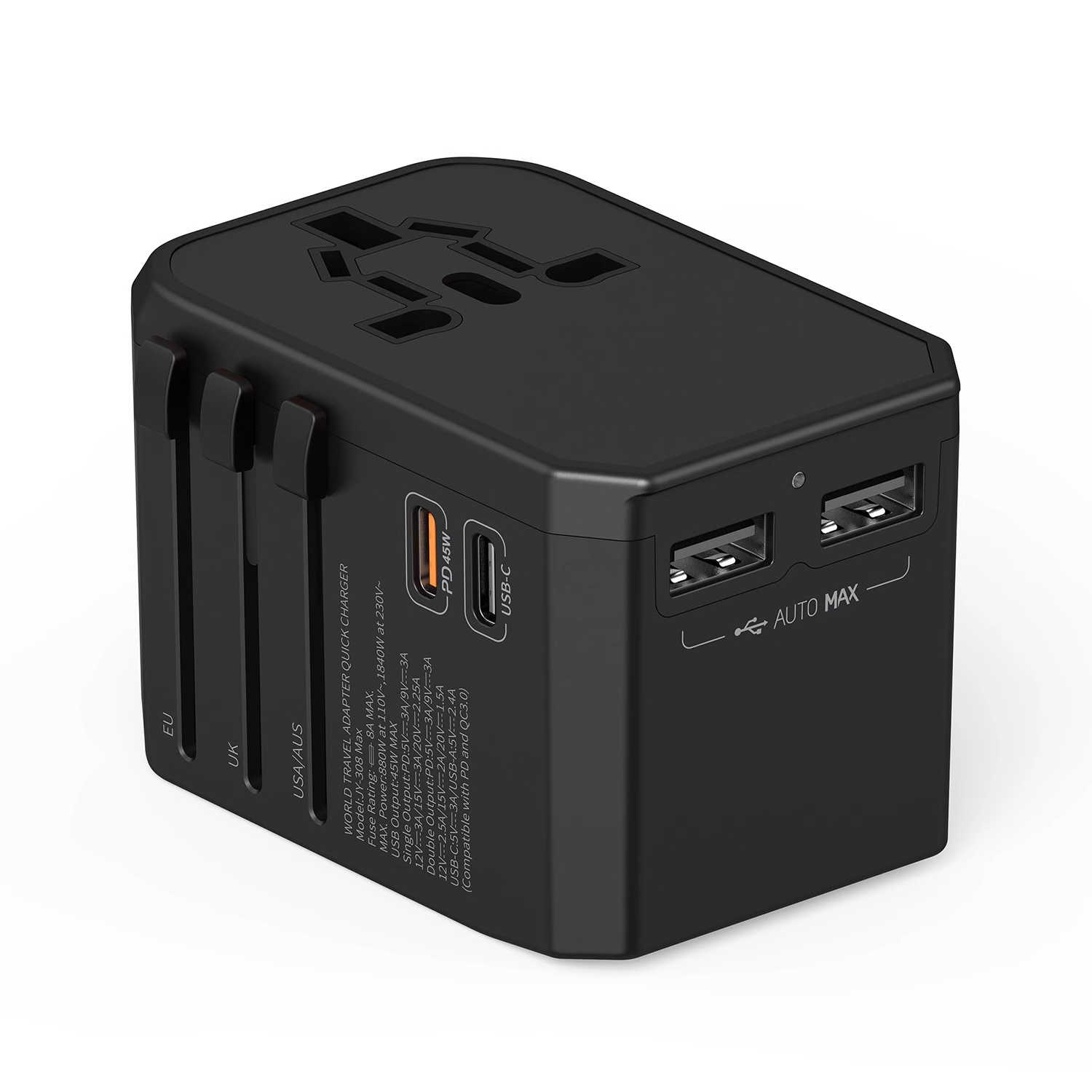
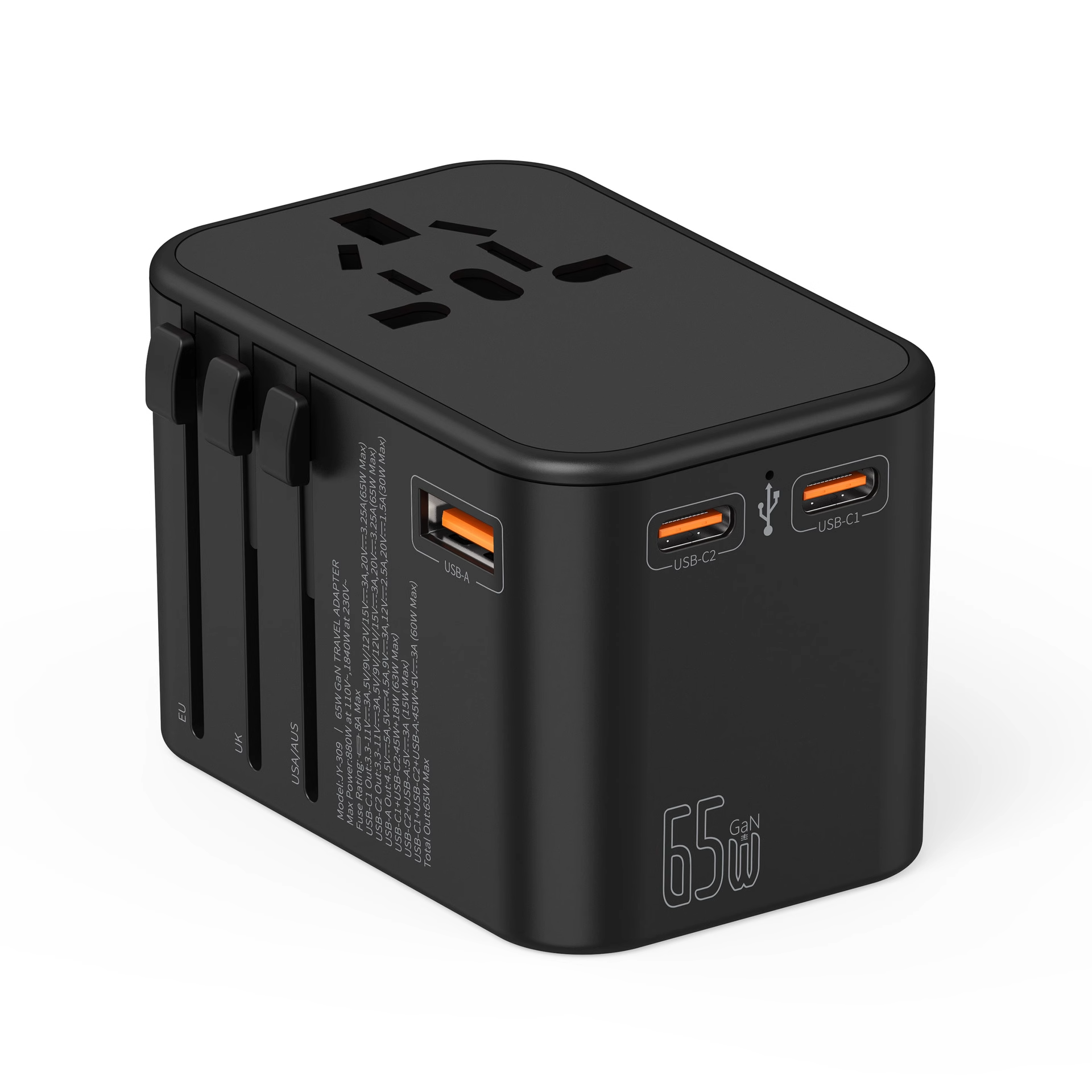
A companion article in this plan addresses connector-supplier qualification. This page does not repeat that file, and it does not depend on that draft being live. It only requires that a cycle-life method sit in the same pack as a supplier-qualification file, so a cheaper substitute jack cannot enter a travel or a desktop SKU without a new test. Travel-catalog products in the travel charger category should follow that pack, including hybrid housings whose USB ports sit next to an AC socket.
Evidence a factory should keep after a port-related field failure
After a port-related field failure, the factory should be able to produce: the jack part number and vendor, the incoming record, the qualification report and the revision it covers, the solder and support process, and a failure analysis of the returned unit (housing, shell, joint, not only “port loose”). If that file does not exist, the next lot is not under control. Quality-system context is on the quality control page; this article does not invent a WECENT field-failure rate.
When a cheaper jack is the actual root of a charger return
A cheaper jack is often the root of a return that is first described as “the charger failed.” A substitute with a thinner shell, a weaker retaining feature, or a different plating can pass a brief power test and fail in a bag or on a desk. Incoming inspection and a prohibition on substitution, written in the clause above, are how you catch that root. A travel SKU, which is plugged and unplugged more often than a desk brick, is a poor place to discover it.
Numbers this article will not attribute to WECENT
This article will not attribute 10,000 cycles, an extraction-force window, a contact-resistance limit, a field-failure rate, or a warranty period to WECENT. The 10,000-cycle figure is cited only as published USB-IF family language, to be re-verified in the current official edition, and then demonstrated on the construction you will ship. A catalog page that does not state a cycle-life result cannot be a source for one.
Conclusion
Treat a 10,000-cycle USB-C receptacle claim as a verification task: open the current USB-IF edition, write a method, a sample size and a pass/fail, qualify the jack in the intended housing, and keep that file separate from incoming inspection. Do not print the number as a WECENT rating, and do not let a cheaper substitute jack inherit a report it has not earned.
If your team is writing a USB-C cycle-life clause for a charger SKU and wants to discuss a verification method, you can send that scope through the OEM and ODM page or the quality control page. This is a request for a project discussion.
FAQ
Is “10,000 cycles” a WECENT rating for a USB-C receptacle?
No. In published USB-IF Type-C connector text opened for this work, a 10,000-cycle minimum appears for the connector family, with a referenced method and a post-cycle inspection, including an extraction-force window in the edition opened. That figure is not a WECENT rating and is not a number to copy onto a carton. You should open the current official edition — a newer release is listed in the USB-IF document library — and then require a test on the jack in the housing you will ship. A factory slide that only says “10,000 cycles” is not that edition.
How should an OEM buyer verify a 10,000-cycle claim?
Write a method, a sample size and a pass/fail. The method should state the mating connector, a cycle rate, a mounting that represents the product housing, and post-cycle inspections: visual damage, mechanical play, contact resistance, and extraction force if the official method uses it. The sample size should include more than one cavity or lot if more than one is in use. Twelve or twenty-four units are a snapshot, not a process-capability study. Qualify the jack in the intended housing; a fixture-only test will miss a solder-joint failure.
Is incoming inspection the same as a cycle-life qualification?
No. Design qualification is a longer cycle test on the intended housing, done before tool-go and after a jack or a PCB change. Incoming inspection is a shorter check that the jack you received is the approved part: dimensions, plating as specified, a mechanical gauge, and a sample cycle if you have agreed one. Do not treat a receiving-inspection tick as a 10,000-cycle qualification, and do not treat a qualification report on a development board as an incoming check on production jacks. Both belong in the file.
What should a factory keep after a port-related field failure?
It should be able to produce the jack part number and vendor, the incoming record, the qualification report and the revision it covers, the solder and support process, and a failure analysis of the returned unit that looks at the housing, the shell and the joint, not only “port loose.” If that file does not exist, the next lot is not under control. A cheaper substitute jack should not inherit a report it has not earned. This article does not invent a WECENT field-failure rate or a warranty period.
{
“@context”: “https://schema.org”,
“@type”: “FAQPage”,
“mainEntity”: [
{
“@type”: “Question”,
“name”: “Is “10,000 cycles” a WECENT rating for a USB-C receptacle?”,
“acceptedAnswer”: {
“@type”: “Answer”,
“text”: “No. In published USB-IF Type-C connector text opened for this work, a 10,000-cycle minimum appears for the connector family, with a referenced method and a post-cycle inspection, including an extraction-force window in the edition opened. That figure is not a WECENT rating and is not a number to copy onto a carton. You should open the current official edition — a newer release is listed in the USB-IF document library — and then require a test on the jack in the housing you will ship. A factory slide that only says “10,000 cycles” is not that edition.”
}
},
{
“@type”: “Question”,
“name”: “How should an OEM buyer verify a 10,000-cycle claim?”,
“acceptedAnswer”: {
“@type”: “Answer”,
“text”: “Write a method, a sample size and a pass/fail. The method should state the mating connector, a cycle rate, a mounting that represents the product housing, and post-cycle inspections: visual damage, mechanical play, contact resistance, and extraction force if the official method uses it. The sample size should include more than one cavity or lot if more than one is in use. Twelve or twenty-four units are a snapshot, not a process-capability study. Qualify the jack in the intended housing; a fixture-only test will miss a solder-joint failure.”
}
},
{
“@type”: “Question”,
“name”: “Is incoming inspection the same as a cycle-life qualification?”,
“acceptedAnswer”: {
“@type”: “Answer”,
“text”: “No. Design qualification is a longer cycle test on the intended housing, done before tool-go and after a jack or a PCB change. Incoming inspection is a shorter check that the jack you received is the approved part: dimensions, plating as specified, a mechanical gauge, and a sample cycle if you have agreed one. Do not treat a receiving-inspection tick as a 10,000-cycle qualification, and do not treat a qualification report on a development board as an incoming check on production jacks. Both belong in the file.”
}
},
{
“@type”: “Question”,
“name”: “What should a factory keep after a port-related field failure?”,
“acceptedAnswer”: {
“@type”: “Answer”,
“text”: “It should be able to produce the jack part number and vendor, the incoming record, the qualification report and the revision it covers, the solder and support process, and a failure analysis of the returned unit that looks at the housing, the shell and the joint, not only “port loose.” If that file does not exist, the next lot is not under control. A cheaper substitute jack should not inherit a report it has not earned. This article does not invent a WECENT field-failure rate or a warranty period.”
}
}
]
}