A desktop charging line that scales from a single-port charger to an eight-port station is not a product list — it is a platform strategy. The same platform can serve every desk user with different port counts, wattages and features, without a new mold for every SKU. This guide maps the users, the platform and the roadmap that turn one charger into an ecosystem.
Mapping desk charging needs by user type
The desk map has five user types: the minimal user (one phone), the phone-plus user (phone and earbuds), the laptop user (laptop and phone), the power user (laptop, tablet, phone, peripherals), and the shared desk (multiple people, multiple devices). Each type maps to a port count and wattage tier, and the map is the foundation of the lineup. The tiers should be defined by the user's simultaneous load, not by marketing convenience.
The user map should be built from data, not assumptions: sales returns, support tickets and accessory-buying patterns reveal which port counts and wattages users actually need. The USB-C charging ecosystem makes the mapping portable across brands, because one connector serves every device. Each user type in the map becomes a row in the product brief — wattage, ports, split map and price — and the briefs, not the trends, drive the roadmap.
Starting with one hero charger
The first SKU should be the hero of the most common desk: a 100W multi-port charger that covers the laptop user and the power user with margin. The hero establishes the design language, the quality story and the review base that the rest of the line rides on. Launching a confusing eight-SKU line without a hero starves every product of attention; one strong launch funds the expansion.
The hero should also be the platform seed: the same power stage, firmware core and design language that later scale to six and eight ports. USB PD defines the negotiation that every future SKU inherits, and the power supply design practice behind the hero determines how cleanly the platform scales. A hero designed as a seed, rather than a standalone product, turns the roadmap into an engineering plan instead of a wish list.
Adding ports as needs grow
Port count scales with the user map: 1–2 ports for the minimal and phone-plus users, 3–4 for the laptop and power users, and 6–8 for shared desks. Each step up adds ports, wattage and power-management complexity, and the split map must scale with it. The line should offer a port ladder — every step is a bigger version of the same design, not a different product.
Port growth must be paired with total wattage and thermal growth, or the ecosystem sells disappointment: an 8-port station at 200W is a different engineering problem than a 3-port hub at 100W. The power supply design practice behind each step should be validated under full simultaneous load before the SKU ships. The port ladder is a scaling story, and every rung needs its own test evidence.
Integrating wireless and AC options
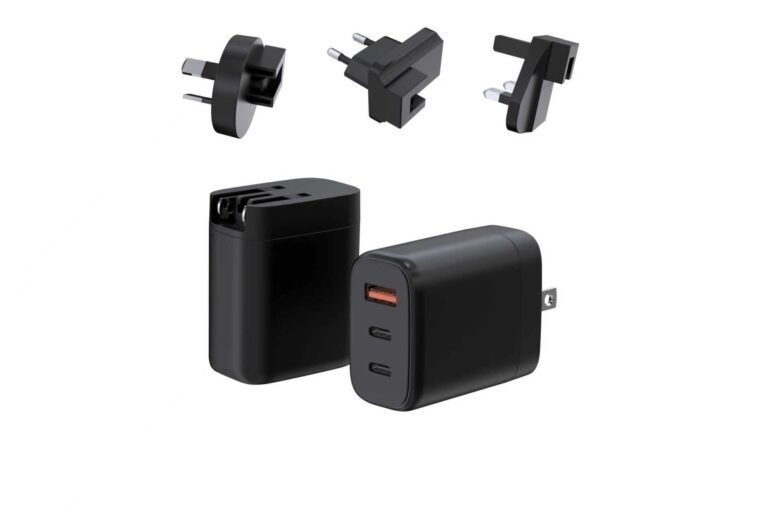
The ecosystem extends beyond USB-C: wireless pads for the nightstand tier and AC sockets for shared desks are natural add-ons that share the design language. The integration decision is timing — wireless and AC options belong in the line once the USB-C core is established, because they add certification and safety complexity. Each extension should reuse the platform's power-management core rather than starting from scratch.
Wireless and AC extensions are second-wave features because they add certification and safety layers on top of the USB-C core: Qi2 certification for the pads, electrical safety for the AC sockets, and new thermal envelopes for both. The Qi2 standard gives the wireless side a defined path, and the AC side follows the same certification discipline as the charger itself. Sequencing them after the core keeps the ecosystem credible while it grows.
Platform design that scales without new molds
The platform is the secret to scaling cheaply: one power-management board, one enclosure family, and modular port configurations that share tooling. A 3-port and a 6-port version of the same platform differ in ports and power stage, not in industrial design. The platform decision is made at the first SKU — design the first charger as the seed of the family, and every later SKU inherits the tooling and certification work.
Building a roadmap across wattage and port tiers
The roadmap sequences the line: hero 100W multi-port first, then the budget single-port tier, then the premium 140W+ tier, then the shared-desk 6–8 port station, then wireless and AC extensions. Each phase funds the next and validates a user segment. The roadmap should be written with launch triggers — the hero's sales data decides the timing of the premium tier, not a fixed calendar.
User types and desk needs
The user-need table drives everything: minimal (1–2 ports, 20–30W), phone-plus (2 ports, 30–45W), laptop (3 ports, 100W), power (4 ports, 140W), shared desk (6–8 ports, 200W+). Each row defines the SKU's wattage, port count and split map. The table also defines the marketing angle per SKU — each tier sells by the user it serves, not by the port count alone.
Starting lineup choices
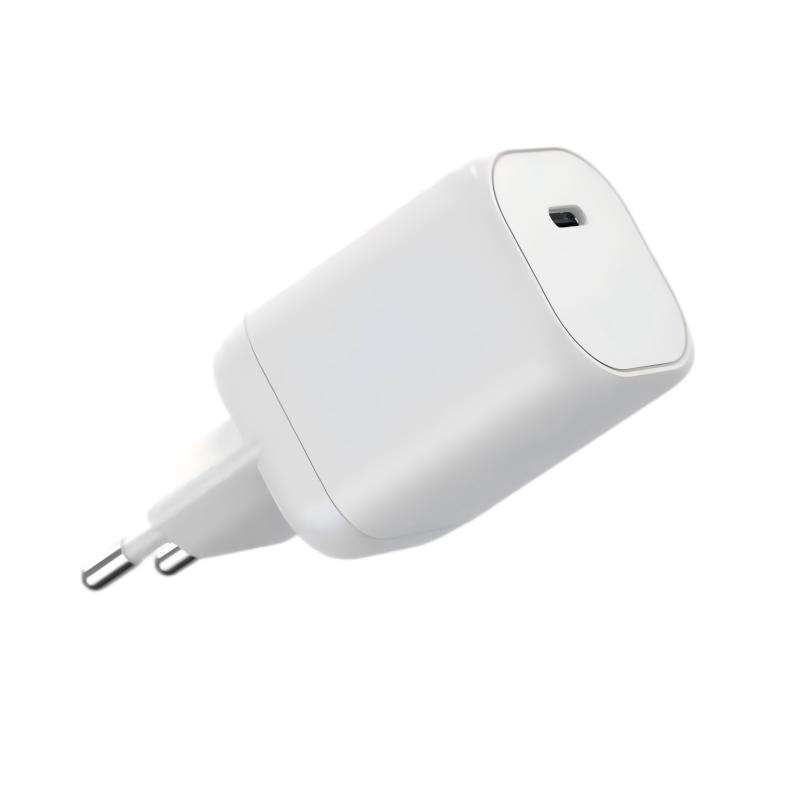
The starting lineup is three SKUs, not eight: the hero 100W multi-port, a budget 30W single-port, and a premium 140W multi-port. Three SKUs validate the design language, the quality story and the price ladder with minimal inventory risk. The remaining tiers are added after the first wave proves demand — expansion is a reward for validation, not a bet.
Scaling ports and features
As ports scale, three things must scale with them: the total wattage, the split map's behavior, and the thermal design. An 8-port station at 200W+ is a different thermal problem than a 3-port hub, and the split map must handle the dynamic reallocation gracefully. The scaling rule is to validate each new port count under full simultaneous load before it ships.
Platform design that scales
The platform components: a common power stage, a modular port board, a shared enclosure family and a common firmware core. The firmware is where the ecosystem really scales — split maps, indicators and safety logic are software, and one firmware base with configuration per SKU keeps the line maintainable. A platform that scales in software as well as hardware is the difference between a product family and a maintenance burden.
Roadmap sequencing for the line
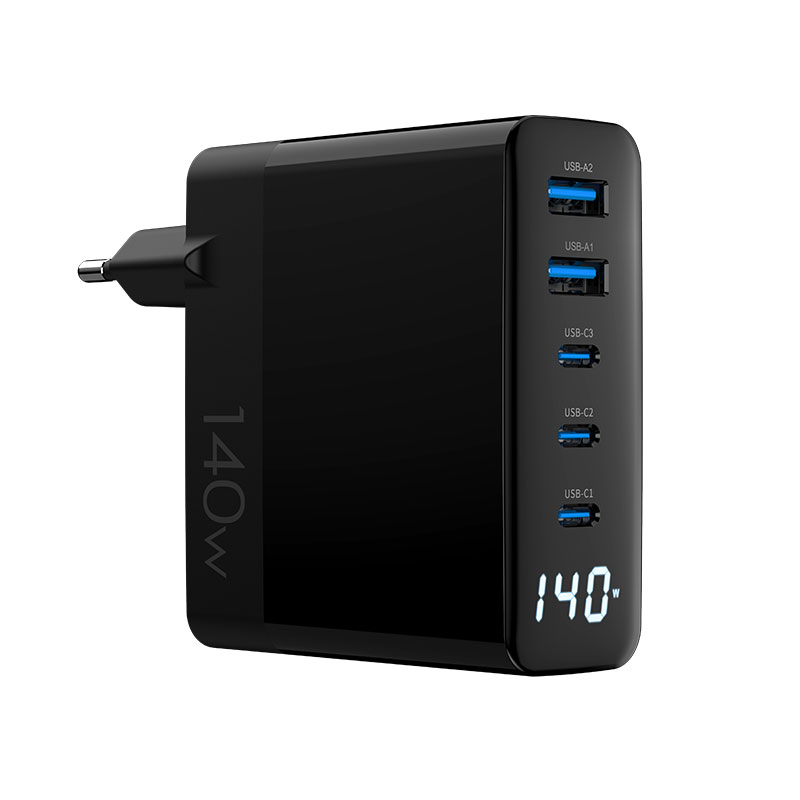
The sequence with triggers: launch the hero and measure sell-through; launch the budget tier when the hero validates the brand; launch the premium tier when the hero's buyers ask for more wattage; launch the shared-desk station when corporate orders appear; add wireless and AC when the ecosystem story needs them. Each trigger is a market signal, and the roadmap respects it. The WET-100W-C 100W and the WEG-140W-2A3C 140W are the hero and premium seeds of exactly this kind of family.
FAQ
How do I start a desktop charger product line?
Start with one hero 100W multi-port charger that covers the most common desk, validate the design and brand with it, then expand the port and wattage ladder from that platform.
How many SKUs should a charger lineup start with?
Three: a budget single-port, the hero multi-port, and a premium high-wattage model. Add tiers after the first wave proves demand.
Can one design platform cover 3 to 8 ports?
Yes — a common power stage, modular port boards and shared tooling let one platform scale from 3 to 8 ports, with firmware configuration defining each SKU.
When should wireless and AC options join the line?
After the USB-C core is established and the design language is proven. Wireless and AC add certification and safety complexity, so they belong in the second wave, not the first.
Planning a desktop charger ecosystem for your brand? Send your target users and roadmap to our team through the contact page — we can build the platform and scale the line with you.
This article is part of Desktop & Multi-Port Charging, the guide that covers this topic in decision order.