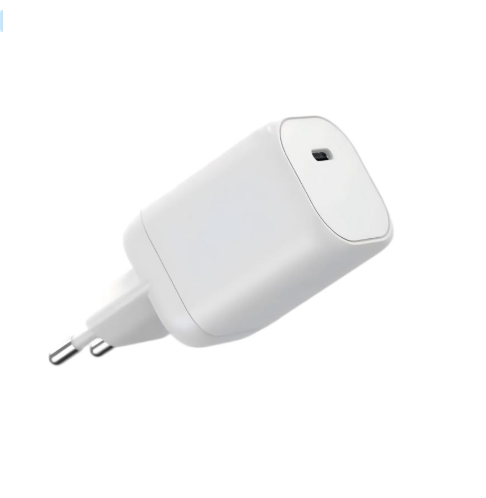

Industrial power supplies differ from consumer chargers in three ways: they are built for wide temperature ranges, higher surge and transient immunity, and longer service life — and they are certified to industrial rather than consumer standards. This guide explains the differences, the power-quality requirements, and how to spec an industrial adapter for your product.
What Are IIoT Adapters and Industrial Power Supplies?
IIoT (Industrial Internet of Things) devices — sensors, gateways, controllers — need power supplies that survive factory floors: wide temperature swings, voltage sags, surges and years of continuous operation. The adapter is not a consumer accessory; it is a reliability component of the system. That changes the specification, the testing and the documentation.
Why Industrial Power Differs from Consumer Chargers
Consumer chargers are optimised for cost, size and speed; industrial supplies are optimised for reliability and immunity. The differences show up in operating temperature range (often -20°C to +70°C or wider), surge protection (higher voltage immunity), longer MTBF targets, and connectors rated for vibration. A consumer charger in an industrial enclosure is a warranty claim waiting to happen.
Power Quality Requirements in High-Power Charging
High-power charging and industrial loads impose power-quality requirements: stable regulation under load steps, inrush current control, and immunity to line disturbances. The supply must hold output within spec when the line sags or surges, and it must not radiate noise that interferes with adjacent sensors. These are tested, not assumed — which is why the quality control evidence matters as much as the spec sheet.
Ruggedization: Temperature, Surge and Lifetime
Ruggedization is a spec, not a claim. Define the operating temperature range, the surge immunity level (IEC 61000-4-5 style), the humidity class, and the expected service life. Higher-grade components — better capacitors, conformal coating options, wider-temperature ratings — are what deliver the lifetime. Ask the factory which components change between consumer and industrial builds of the same platform.
Certifications for Industrial Markets (IEC 62368-1, UL, CE)
Industrial equipment typically references IEC 62368-1 (the safety standard that replaced 60950-1), plus regional marks and EMC standards for the industrial environment. Certification is model-dependent, and the documentation set — test reports, declarations, batch traceability — is what your customers’ compliance teams will audit. Our CE/FCC/RoHS guide explains how to verify that documentation.
How Our OEM Process Supports Industrial Projects
We scope industrial projects like every other OEM engagement, with one difference: the spec review is stricter. We confirm the temperature range, surge requirements, connector and enclosure needs, certification path and documentation set before quoting, and we will tell you honestly what we can and cannot cover. The OEM/ODM page describes the process, and the factory page shows the manufacturing capability behind it.
Industrial vs Consumer Power Supply: Specs Compared
The difference between industrial and consumer power supplies is measurable, not stylistic. These are the specs to compare.
| Spec | Consumer | Industrial |
|---|---|---|
| Operating temperature | 0–40°C typical | -20 to +70°C or wider |
| Surge immunity | Basic | Higher (IEC 61000-4-5 style) |
| Service life target | 2–3 years typical | 5–10+ years |
| Component grade | Cost-optimised | Long-life, wider temperature |
| Documentation | Basic certificates | Full test reports and traceability |
The price difference buys reliability and immunity — exactly what a factory floor needs.
IP Rating and Enclosures for Industrial Power
IP ratings describe how well a power supply resists dust and water, and they set where the unit can live.
- IP20 — indoor, dry, enclosed cabinets; the most common rating for standard power supplies.
- IP54+ — dust-protected and splash-resistant; for exposed factory locations and wash-down areas.
- Enclosure choice — metal housings aid heat spreading; plastic saves weight where ratings allow.
Match the rating to the environment, not to the brochure — an IP20 unit in a wash-down zone is a failure waiting to happen.
IIoT Power Requirements: Sensors, Gateways, Edge Devices
IIoT devices look simple, but their power needs are stricter than consumer gadgets because they run unattended.
- Sensors — low power, long life; efficiency at light load matters more than peak wattage.
- Gateways — more power, 24/7 operation, and surge immunity for the industrial environment.
- Edge devices — higher compute, so they need stable regulation under load steps and clean EMC.
For each class, specify the operating temperature, surge level and lifetime, and demand the test evidence that proves them.
FAQ
What is the difference between consumer and industrial power supplies? Temperature range, surge immunity, component grade and service life — plus the certification path.
What standard applies to industrial power supplies? IEC 62368-1 is the common safety baseline, with regional and EMC requirements on top.
Can a consumer charger work in an industrial device? Possibly, but the temperature, surge and lifetime margins are usually too small — treat it as a risk.
Do you build industrial-rated adapters? We scope them per project and confirm the certification path honestly — start the conversation on the contact page.
What documentation will my customer’s audit need? Test reports, declarations, and batch traceability — all model-specific.
References: IEC for 62368-1, Wikipedia on the Industrial IoT, Texas Instruments for industrial power design, and IEEE for industrial standards.
Further reading: Analog Devices, Wikipedia IEC 61000.
This article is part of Compliance & Power Supplies, the guide that covers this topic in decision order.