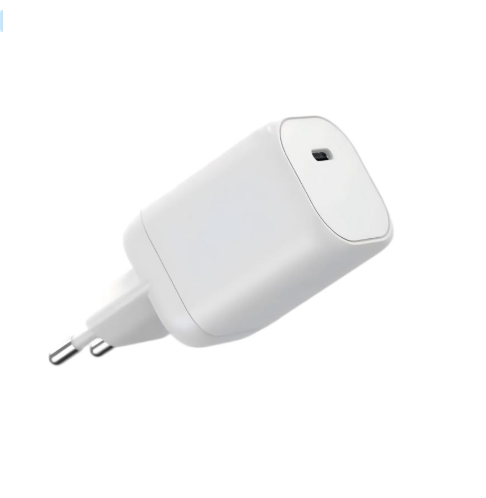
The USB-C GaN charger is the foundation of a modern charging line because it combines the two standards that define the category: the USB-C connector and USB Power Delivery protocol, and the gallium nitride power stage that makes the charger small and efficient. This page is the foundation guide — the USB-C and PD basics, the GaN advantage and the fundamentals a buyer should know before evaluating any charger line.
The USB-C Foundation
USB-C is the connector and the ecosystem: one reversible port that carries power, data and video, with the capability negotiated between the charger and the device. The USB-C foundation matters to a charger line because the connector sets the compatibility baseline — the port accepts the devices, and the negotiation decides the charging behavior. The buyer should understand that the USB-C port is the physical layer, not the whole story: the charging speed is decided by the protocol negotiation, the cable and the device's acceptance, and the port shape alone tells the buyer almost nothing.
The USB Power Delivery Foundation
USB Power Delivery is the protocol that negotiates the charging profiles: the charger advertises its PDO table, and the device picks the profile it accepts. The PD foundation sets the line's language — the wattage, the voltage steps and the negotiated behavior are all PD concepts — and the buyer who understands the PDO table understands the product. The foundation also explains the category's classic surprises: the charger that is "65W" but weak at the 20V step, the phone that charges slowly without the PPS profile and the laptop that negotiates a lower profile than the charger's maximum.
The GaN Foundation
Gallium nitride is the semiconductor that makes the modern charger small and efficient: the GaN switches operate at higher frequencies than silicon, shrinking the magnetics and the power stage while maintaining efficiency. The GaN foundation matters to the line because it sets the size and thermal expectations — the GaN charger is smaller and cooler than the silicon brick at the same wattage — and the buyer should compare the actual size, the efficiency curve and the thermal data rather than the "GaN" label alone.
The Foundation Table
| Layer | What it is | What it decides |
|---|---|---|
| USB-C port | The connector | Physical compatibility |
| PD protocol | The negotiation | Charging behavior and speed |
| GaN power stage | The semiconductor | Size, efficiency, thermal |
| Cable | The current path | Whether the power arrives |
The four layers are the foundation, and the buyer who knows the four reads the charger's real spec from the datasheet.
The Compatibility Logic
The foundation's compatibility logic is the negotiation: the charger advertises its profiles, the device accepts the profile it supports, and the cable carries the negotiated current. The logic explains every compatibility question the line will face — the phone that needs PPS, the laptop that needs the 20V step, the cable that caps the output — and the buyer should build the line's compatibility matrix from the logic rather than from the marketing claims. The matrix is the foundation's practical output, and it is the document the product pages and the support desk reference.
The Verification for the Foundation
The foundation verification is the standard checklist: the PDO table, the split map, the thermal data, the compatibility matrix and the certificate set. The buyer who verifies the foundation builds the line on the standards; the one who skips it buys the labels. The verification also includes the cable — the 5A-rated cable for the full output — because the foundation's fourth layer is the one the buyers most often forget.
The Protocol Versions and What They Mean
The PD protocol has versions, and the versions matter to the line's claims. PD 3.0 established the profiles that most devices use, and PD 3.1 added the Extended Power Range for the power above 100W; the version on the box should match the capability in the PDO table. The buyer should also understand the vendor layer — the PPS profiles that many phones use and the proprietary handshakes that some brands require — because the protocol version alone does not decide the phone's charging speed. The protocol map is part of the foundation, and the compatibility matrix is its practical output.
The Charger Line Built on the Foundation
The foundation shapes the line architecture: the entry tier for the phone and the small devices, the workhorse tier for the ultrabook majority, the premium tier for the full-size laptops and the multi-port tier for the mixed stack. Each tier is built on the same USB-C and PD foundation, with the GaN power stage scaling the size and the efficiency. The line built on the foundation reads as a system — the same negotiation logic, the same matrix structure and the same verification across the tiers — and the buyer who plans the line from the foundation builds the architecture before the catalog. The architecture also sets the upgrade path: the customer who buys the entry tier today moves up the line as the device stack grows, and the foundation's consistent language makes the upgrade a familiar purchase rather than a new evaluation.
The Buyer's Foundation Checklist
The buyer's foundation checklist is the standards translated into procurement: the PDO table in the datasheet; the split map for the multi-port models; the efficiency curve at the load points the line serves; the thermal soak data; the compatibility matrix with the target devices; the certificate set per market; and the cable included and its rating. The checklist is the foundation's audit, and the buyer who runs it knows what the line is built on. The checklist is also the supplier comparison tool: the factory that documents the foundation is the one whose line the buyer can verify, and the verification is the line's trust.
The Common Misconceptions
The foundation clears the category's common misconceptions. "USB-C means it charges fast" is false — the speed is the negotiation. "Higher watts always charge faster" is false — the device accepts what it supports. "GaN is a marketing label" is false — the size and the efficiency are measurable. "The cable does not matter" is false — the current path decides whether the power arrives. The buyer who understands the foundation answers the misconceptions with the datasheet, and the line that publishes the evidence answers them for the customer. The misconceptions are also the support desk's daily questions, and the foundation-based FAQ that answers the four in plain language is the support layer that keeps the questions from becoming tickets.
Bottom Line
The USB-C GaN charger is built on four layers — the USB-C port, the PD protocol, the GaN power stage and the cable — and the buyer who understands the four reads the product's real spec. Build the line's compatibility matrix from the foundation, verify the checklist and publish the evidence, and the line is built on the standards instead of the labels. The foundation is also the support language: the customer questions about speed, compatibility and cables are answered by the foundation's logic, and the support script that speaks the foundation's language turns the charger's behavior into the customer's understanding — the foundation is what the buyer knows, and the knowledge is what the line is sold on.
For the USB-C GaN models with the PDO and compatibility data, browse the USB-C charger category or contact Wecent through the contact page. The foundation conversation should start with the device list, because the PDO table, the split map and the compatibility matrix are all decided by the devices the line must serve — the foundation is the language, and the device list is the question the language answers. The buyer who brings the device list to the conversation leaves with a recommendation built on the foundation's real question, rather than a catalog page chosen by the wattage.
Frequently Asked Questions
Is every USB-C charger the same?
No; the USB-C port is the physical layer, and the charging behavior is decided by the PD profiles, the PPS support, the cable and the device's acceptance. The PDO table and the compatibility matrix are the real differences.
Why is GaN better than silicon for chargers?
GaN switches operate at higher frequencies with higher efficiency, which shrinks the power stage and the magnetics; the result is a smaller and cooler charger at the same wattage.
What is a PDO and why does it matter?
A PDO is a power data object in the PD negotiation — one voltage and current profile the charger advertises; the device picks the profile it accepts, and the PDO table is the charger's capability card.
Do I need a special cable for USB-C charging?
For the full output of a charger above 60W, yes — a 5A-rated cable; a 3A cable caps the current and the power, and the complaint lands on the charger. The cable requirement should be stated on the product page and in the box, because the customer who uses the old phone cable is the customer who reports the charger as slow.
What should a buyer check first on a USB-C charger datasheet?
The PDO table, then the split map, then the thermal data and the compatibility matrix; the four are the product's real spec, and the wattage on the box is the marketing. The same four are the comparison tool between suppliers, because two chargers with the same wattage can differ completely in the profiles, the split and the thermal behavior that the four documents reveal.
This article is part of GaN Chargers, the guide that covers this topic in decision order.