A table lamp that also charges a guest’s phone is a small feature with a large effect on perceived quality, and a maintenance liability if the specification ignores how the product is used in service.
This article covers the configurations hotels deploy, the practical constraints of food service and housekeeping, and the procurement details that decide the failure rate.
What lamp-charging configurations do hotels use?
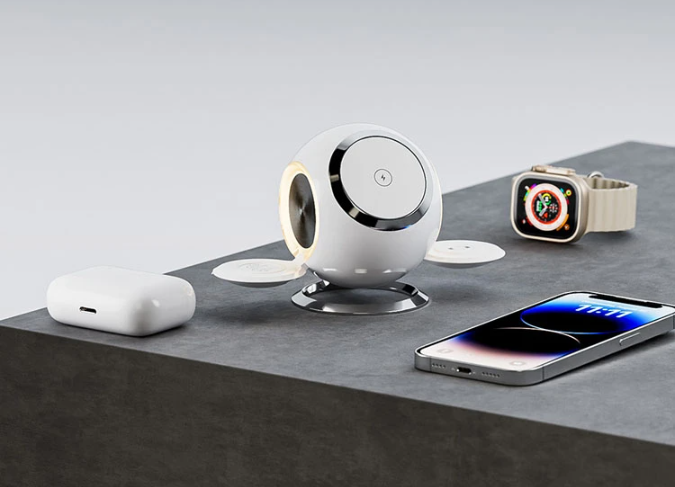
Three arrangements appear: a lamp with USB ports in the base, a lamp with a wireless charging pad in the base, and a lamp combined with a separate charging station on the same table. The first is the most familiar, the second the tidiest, and the third the easiest to replace.
The choice usually follows the room standard rather than the technology, since a property replaces lamps on a refurbishment cycle.
Table lamp with USB ports versus wireless pad
USB ports require the guest to supply a cable and fail when the guest has the wrong one; a wireless pad removes the cable but depends on alignment and case thickness. A combination of two ports and a pad covers both habits.
For the property, the practical difference is in the failure reports: cable-based charging generates more support contacts, while wireless charging generates alignment questions.
Safety in a wet-service environment
Hospitality tables see drinks, cleaning sprays and condensation, so the charging interface has to tolerate liquid at the surface. That makes the sealing arrangement and the connector position part of the specification rather than a detail.
In markets where the installation is inspected, the property’s electrical regime also applies, so the product should be specified with the installation in mind.
Power, sockets and daisy-chaining limits
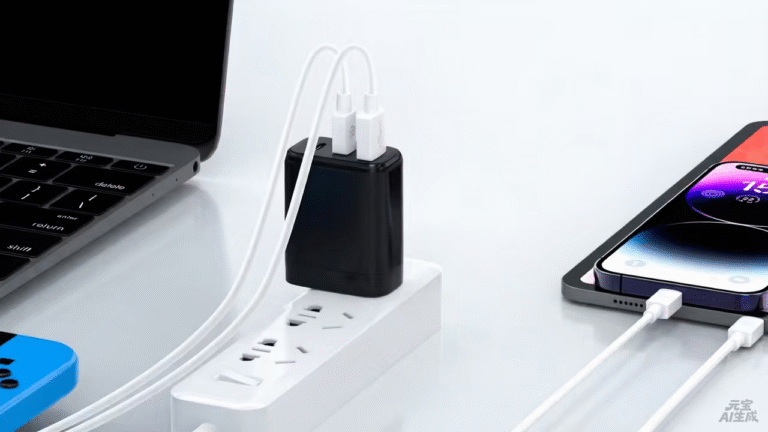
A lamp that charges usually takes the socket the lamp already occupied, which is why the product’s total load and the socket’s rating have to be checked rather than assumed. Daisy-chaining several devices from one outlet is the arrangement most likely to cause an issue.
The specification should state the product’s consumption and the arrangement it is designed for.
Branding, signage and guest instructions
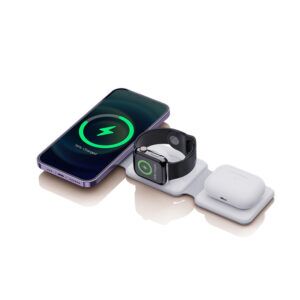
Guests do not read manuals in hotel rooms, so instructions belong on the product: a marked charging area and a single line in the room guide. Branding has to respect the coil area, since metallic inks and trims interfere with the field.
Those two constraints settle the artwork and the industrial design at the same time.
Cleaning, wear and theft resistance
The lamp is cleaned daily, and its charging interface is at the surface where cleaning happens. Wear items are the connector or pad surface and the cable, so the maintenance plan should cover those parts rather than the whole lamp.
Theft resistance is a procurement consideration: integrated designs are more likely to stay in the room than a separate charging accessory.
Procurement: spares, warranty and rollout
A hospitality rollout is a programme: phase by floor, keep a spares buffer and record which batch went into which rooms so that a fault pattern can be traced.
WECENT supplies hospitality-oriented charging products and lamp-adjacent platforms through its wireless charger range and OEM/ODM programme programmes, with sampling, certification planning, batch traceability and a standard two-year warranty, and per-batch records from the quality control gates.
Specifying a lamp-charging standard for a property
Five items cover the specification: the charging arrangement, the sealing and cleaning requirement, the total load and its arrangement, the branding method and the spares plan.
With those settled, the product can be procured on a like-for-like basis across suppliers, and the maintenance cost becomes predictable.
Hospitality table lamp charging: the procurement checklist
Hospitality table lamp charging is procured on five items: the charging arrangement, the sealing and cleaning requirement, the total load, the branding method and the spares plan. Settling them together keeps the product and the maintenance budget aligned.
Reference standards for this topic
Where a programme needs the primary documents, the relevant references for this topic are published by the standards bodies and regulators: USB-IF: USB Power Delivery, ISTA: transit test protocols, Regulation (EU) 2019/1782, 10 CFR Part 430, 47 CFR Part 15.
FAQ
Do hotel lamps with USB charging last as long as standard lamps?
The lamp body lasts, but the charging interface and cable are wear items. Specifying them as replaceable parts, with a spares plan, is what keeps the failure cost manageable over a refurbishment cycle.
Are wireless charging lamps better than USB ports for hotels?
They remove the cable problem, since guests often bring the wrong cable, but they depend on alignment and case thickness. Many properties specify both a pad and ports to cover different guest habits.
What safety requirements apply to charging lamps in restaurants?
The charging interface has to tolerate liquid at the surface, so sealing and connector position are part of the specification, and the installation is subject to the property’s electrical regime.
Can branding be applied to a charging area?
Branding is possible where it does not sit over the coil, since metallic inks and plated trims interfere with the magnetic field. That constraint should be settled with the artwork and the industrial design together.
How should a property phase a lamp rollout?
Phase by floor or room type, keep a spares buffer and record which batch went into which rooms. That record turns a fault pattern into a traceable event rather than a maintenance mystery.
Standardising lamps with charging?
Share the room count, service environment and target markets, and WECENT will confirm the charging platform, branding options, spares plan and MOQ.
{“@context”:”https://schema.org”,”@type”:”FAQPage”,”mainEntity”:[{“@type”:”Question”,”name”:”Do hotel lamps with USB charging last as long as standard lamps?”,”acceptedAnswer”:{“@type”:”Answer”,”text”:”The lamp body lasts, but the charging interface and cable are wear items. Specifying them as replaceable parts, with a spares plan, is what keeps the failure cost manageable over a refurbishment cycle.”}},{“@type”:”Question”,”name”:”Are wireless charging lamps better than USB ports for hotels?”,”acceptedAnswer”:{“@type”:”Answer”,”text”:”They remove the cable problem, since guests often bring the wrong cable, but they depend on alignment and case thickness. Many properties specify both a pad and ports to cover different guest habits.”}},{“@type”:”Question”,”name”:”What safety requirements apply to charging lamps in restaurants?”,”acceptedAnswer”:{“@type”:”Answer”,”text”:”The charging interface has to tolerate liquid at the surface, so sealing and connector position are part of the specification, and the installation is subject to the property’s electrical regime.”}},{“@type”:”Question”,”name”:”Can branding be applied to a charging area?”,”acceptedAnswer”:{“@type”:”Answer”,”text”:”Branding is possible where it does not sit over the coil, since metallic inks and plated trims interfere with the magnetic field. That constraint should be settled with the artwork and the industrial design together.”}},{“@type”:”Question”,”name”:”How should a property phase a lamp rollout?”,”acceptedAnswer”:{“@type”:”Answer”,”text”:”Phase by floor or room type, keep a spares buffer and record which batch went into which rooms. That record turns a fault pattern into a traceable event rather than a maintenance mystery.”}}]}