240V to 120V: When You Need a Converter, Not Just a Plug Adapter
240V to 120V conversion explained: when a plug adapter is enough, when a step-down transformer is required, and how to size one without damaging a device.

The same phrase covers two different devices, and using the wrong one is a common way to destroy an appliance. A plug adapter changes the shape of the connection; a converter changes the voltage. Electronics usually needs the first, motor-driven appliances may need the second.
The decision takes one look at the device’s label, and the consequences of guessing are asymmetric: an adapter used where a converter was required fails quickly, while a converter used where an adapter was sufficient adds cost and bulk for no benefit.
Do you need a 240V to 120V converter?
Only for single-voltage devices.
If the label states an input range such as 100-240V, a plug adapter is sufficient; a step-down converter is needed only for devices rated for one voltage, such as motor-driven appliances.
The label on the device or its power supply is the answer. A range such as 100-240V means the device is designed for either supply and only needs the pins to match the socket. A single figure such as 120V means it expects that voltage and needs conversion, not just a different plug.
Chargers, laptop power supplies and phone adapters sold internationally almost always carry the dual-voltage marking, because the same platform is shipped to several regions. That is why travellers rarely need a converter for electronics and frequently need one for appliances with heating elements or motors.
| Device type | Label | What is required | Risk if the wrong device is used |
|---|---|---|---|
| Phone or laptop charger | 100-240V input | Plug adapter only | None beyond plug fit; the charger regulates its own output |
| Electric shaver or toothbrush charger | Often 100-240V | Plug adapter only for the charger | Check the charger, not the appliance |
| Hair dryer, kettle, iron | Usually single voltage | Step-down converter sized for the load, or a dual-voltage model | Overheating, fuse failure or fire risk on a mismatch |
| Electronics with a mains lead | Varies by design | Check the label; some accept both | Mains-voltage stress if only a plug adapter is used |
Reading the input range correctly
The input statement appears on the power supply or the device’s rating label, usually next to the output values. Two details matter: the range itself and the frequency tolerance. Most dual-voltage electronics accept both 50Hz and 60Hz, but some motor-driven appliances specify one frequency, which a converter cannot change.
Where a device has an external power supply, the marking applies to the supply rather than to the appliance. That is why a shaver or a toothbrush with a dual-voltage charger travels safely: the mains portion is the part that has to tolerate both supplies.
For buyers importing chargers, the same marking is a specification line rather than a travel convenience: it determines which markets a single SKU can serve, and it is one reason a platform with interchangeable plugs can cover several regions without a redesign.
When a step-down transformer is genuinely required
A step-down transformer is required when a device is rated for one voltage and that voltage is lower than the supply available. Sizing follows the device’s continuous rating plus headroom for startup, since motors and heating elements draw more at the moment they turn on than they do while running.
A converter that is too small will run hot, may fail, or may shut down at the moment the appliance starts. For a device used continuously, the converter’s continuous rating is the figure that matters, and the packaging figure is not a substitute.
Power ratings: sizing a converter for a real load
Sizing starts with the device’s rating in watts, then adds the startup margin and the converter’s own losses. A conservative approach is to select the next rating above the calculated figure rather than the nearest, because converters are least efficient at the top of their range and derate in warm rooms.
Two further constraints apply to continuous use. First, ventilation: a converter in a closed suitcase or behind furniture cannot dissipate heat. Second, the socket: a high-wattage converter draws substantial current, and some circuits and adapters are not rated for sustained use at that level.
Frequency differences and which devices care
Voltage conversion does not change the supply frequency. Devices with electronics rectify the mains and are frequency-agnostic; devices with synchronous motors or clocks that count cycles are not, and they will run at the wrong speed on a 50Hz supply if specified for 60Hz.
For travellers this is a practical distinction: chargers and laptop power supplies are unaffected, while a clock radio or a turntable may be. For importers, the frequency tolerance belongs in the product documentation because a customer complaint about a device running fast is otherwise misdiagnosed as a voltage problem.

Design note: why travel chargers avoid converters
The reason a travel charger is a better answer than a converter for electronics is that the conversion happens inside the charger, at the point where the device operates. A wide-input switching supply with the right plug set covers both supply voltages without a second, heavy box to carry, and where the output is negotiated with the device that happens through the USB Power Delivery standard (USB-IF: USB Power Delivery).
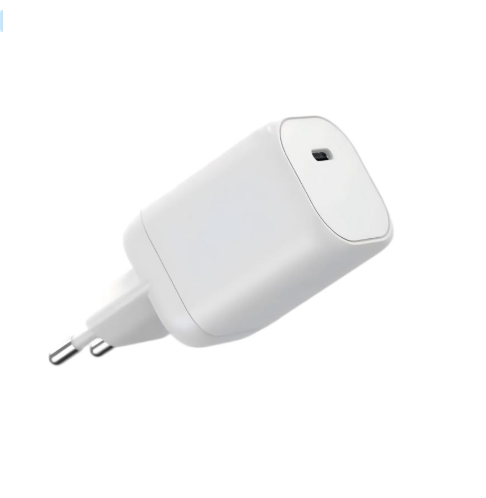
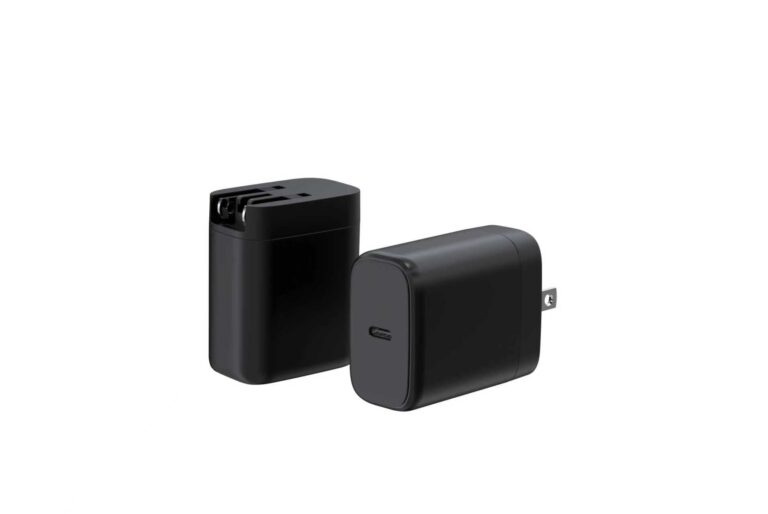
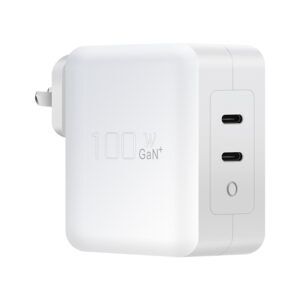
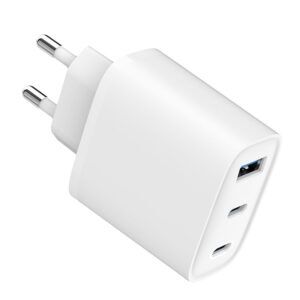
WECENT’s travel charger range works on this principle: 40W, 45W, 65W and 100W platforms with EU, UK, US and AUS plug configurations, so a kit can be assembled for a region without changing the electronics. Efficiency and documentation duties for such adapters are set by public rules such as the EU external power supply regulation (Regulation (EU) 2019/1782) and the US Department of Energy framework (10 CFR Part 430), with EMC requirements following frameworks such as the FCC Part 15 rules (47 CFR Part 15) and packaging validated against a transit protocol such as ISTA’s (ISTA).
Safety notes for buyers and travellers
Three rules cover the common mistakes. Never use a plug adapter to bridge a voltage mismatch for a higher-voltage device. Never exceed a converter’s continuous rating for a sustained load. And never rely on an adapter’s own small size as evidence of what it can carry, because adapters are rated by current and many are intended for low-power electronics only.
Where a device carries a safety mark, the mark applies to the device as tested, and adding an unknown converter or adapter changes the installation the product was tested in. For a multi-device travel setup, matching each device to the correct plug adapter and keeping the load inside the socket’s rating is the whole specification. Buyers assembling such kits can compare platforms in the product catalogue rather than matching components from separate suppliers.
FAQ
Is it safe to use a 240V to 120V adapter?
A plug adapter that only changes pin shape changes nothing electrically, which is safe for devices that accept both voltages. A converter is required for single-voltage devices, and it must be sized for the continuous load; using a plug adapter where conversion is required is not safe.
Can you convert a 240V outlet to 120V?
For an appliance, a step-down transformer produces 120V from a 240V supply and must be rated for the continuous load plus startup margin. The supply frequency is unchanged, so appliances with synchronous motors or line-frequency clocks may still behave incorrectly even after conversion.
Do phone and laptop chargers need a converter abroad?
Almost never. International charger platforms are typically marked for a 100-240V input range, so they need only a plug adapter. The label on the charger states the range, and that marking is the deciding evidence rather than the country being visited.
How do I size a step-down converter?
Start with the appliance’s rated watts, add margin for startup and losses, and select the next rating above that figure, confirming the continuous rather than peak rating. Ensure the converter has ventilation and that the socket and any adapter in the chain are rated for the sustained current.
Can a travel adapter kit replace a converter?
For electronics, yes: a charger with wide input and interchangeable plugs removes the need for a separate converter. For appliances with heating elements or motors, a converter remains necessary, and a kit should state clearly which devices it is intended to support.
Building a travel or multi-region range?
Share the target countries, wattage tiers and plug matrix, and WECENT will confirm the platforms, certification scope and MOQ from a written specification.
Related articles
 Dual Sourcing Chargers: Building a Second Manufacturing Base Outside ChinaKnowledge
 Golden Sample Approval: The Gate That Prevents Charger Quality DriftKnowledge
 Dell Laptop Charger Replacement: Barrel, USB-C and Wattage by FamilyKnowledge
 USB-C Connector Durability: Insertion Cycles, Testing and What to DemandKnowledge