SuperVOOC is the fastest charging system most OPPO, OnePlus and realme users own — and the most misunderstood. The speed depends on a closed handshake between a certified charger, a rated cable and the phone, which means third-party chargers sit outside the system by design. This guide explains where they sit, what they can deliver, and how to avoid misleading claims.
How SuperVOOC negotiates high current
SuperVOOC uses a proprietary high-current, low-voltage profile: the charger and phone exchange identifiers, then negotiate a current far above the USB PD default. OPPO's SuperVOOC technology is built around this closed handshake, which is why the 65W–100W+ numbers only appear when all three pieces — charger, cable, phone — are compatible.
The negotiation is not just about current: it includes temperature sensing and adaptive power steps, so the system protects the battery while pushing speed. That sophistication is also what makes it impossible to replicate with a generic charger.
The negotiation is more than a handshake: the charger measures the connection's resistance in real time, the phone reports temperature, and the pair steps current up or down to stay inside safe limits. That adaptive behavior is why SuperVOOC feels different — it is continuously tuning, not just switching profiles. It is also why cable quality is non-negotiable: the system reads the cable's resistance, and a high-resistance cable either fails the negotiation or forces the system to step down. The USB PD framework works the same way for universal charging, which is why a power meter shows the negotiated profile changing in real time.
Why cables matter in VOOC charging
The cable is the second half of the handshake: VOOC cables carry identification circuitry and are rated for the high current the system uses. A standard USB-C cable will charge the phone, but the session drops to USB PD levels — typically 18–27W — even when the charger is the original SuperVOOC brick. This is the single most common cause of "my fast charging disappeared" reports.
What third-party chargers can and cannot do
The honest summary:
- Can do: charge OPPO/OnePlus/realme phones at USB PD speeds with a certified PD + PPS charger.
- Cannot do: replicate the proprietary SuperVOOC peak without OPPO's certification and the matching cable.
- Claimed by some, delivered by few: "SuperVOOC compatible" third-party chargers that negotiate the proprietary profile.
A genuinely SuperVOOC-certified third-party charger exists in some markets through OPPO's licensing, but most "SuperVOOC compatible" labels on generic bricks are marketing, not certification.
Spotting misleading compatibility claims
Three phrases should trigger skepticism:
- "SuperVOOC compatible" without a certificate or test report.
- "Charges all phones at full speed" — impossible across proprietary systems.
- "65W fast charging" with no indication of which protocol delivers it.
Legitimate products name the protocol, the certified profile and the tested devices. If the label cannot do that, treat the claim as unverified.
Using PD chargers with OPPO devices
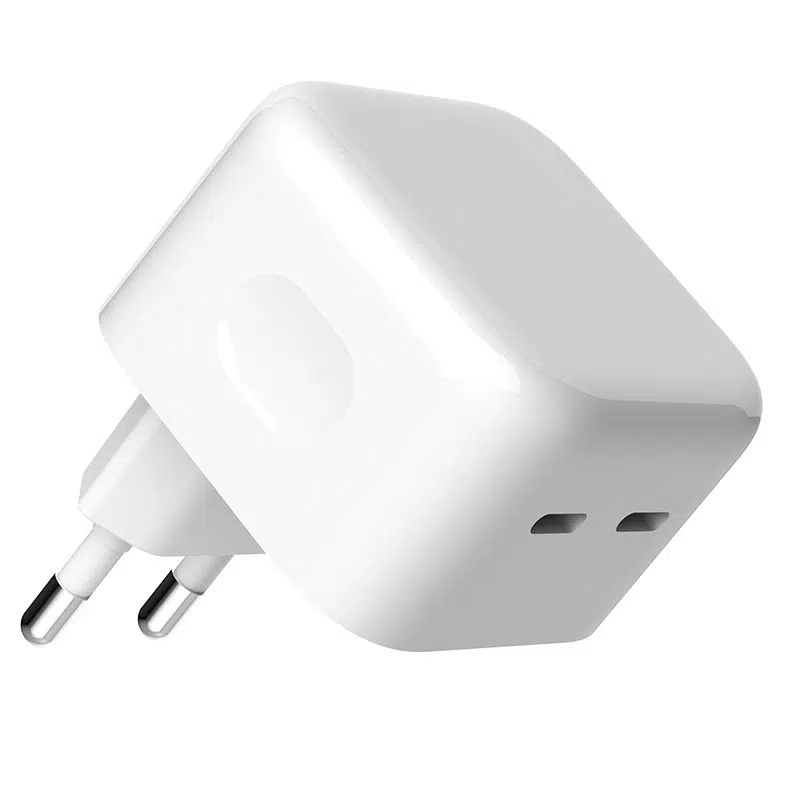
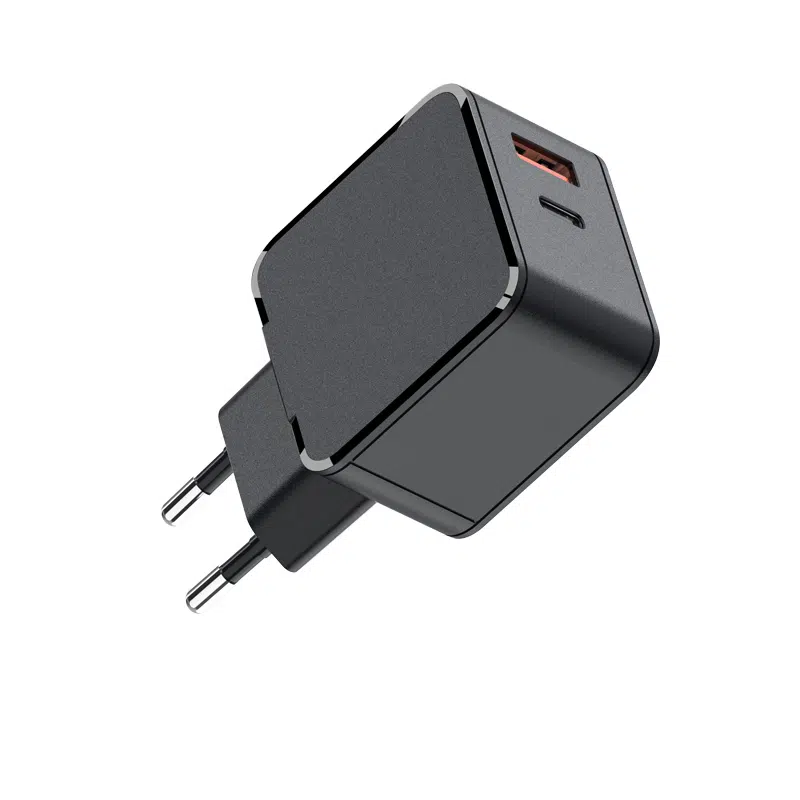
Using a PD charger with OPPO devices is safe and practical: the phone negotiates the PD profile it supports, fast-charges at 18–27W, and protects itself normally. The 35W GaN/PD charger and the WET-65-CA 65W adapter cover the daily-use tier, and the proprietary brick stays reserved for the fastest top-ups.
Daily-use expectations should match the universal layer: 18–27W fills a typical OPPO battery from empty in about an hour, which is perfectly practical for overnight and desk charging. The proprietary peak matters only for the fastest top-ups, and giving it up in exchange for one charger that serves the whole household is a fair trade for most users. The premium brick stays in the drawer or the travel bag, and the certified PD charger becomes the daily driver. Listing both tiers honestly — "PD daily charging, SuperVOOC with the original brick" — sets expectations that match the meter.
Sourcing cables and chargers responsibly
For OEM and retail sourcing, treat SuperVOOC claims like any certification: request the certificate, the test report and the device matrix. A factory that cannot produce a SuperVOOC certification document for its "compatible" charger is selling a label, not a protocol. Source cables with published current ratings and connector quality data, because the cable is where the claim fails first.
Why VOOC needs special cables
VOOC cables need thicker conductors for the high current and identification circuitry for the handshake. Both add cost, which is why generic cables do not carry them. The physics is simple: high current through undersized conductors creates heat and voltage drop, so the system refuses to negotiate the fast profile without the rated cable.
Identifying compatible cables
Look for the OPPO/VOOC branding on the connector or packaging, check for a published current rating, and — for bulk purchases — request the manufacturer's test report. A cable that looks identical to the original but lacks the chip will charge at PD speeds only. When in doubt, a power meter settles the question in seconds.
Third-party charger limits
The limit is structural, not a conspiracy: proprietary protocols are closed by design, so third-party chargers can only reach the universal layer. That layer is genuinely useful — 18–27W fast charging covers daily needs — but it will never match the proprietary peak. Products that promise otherwise are overclaiming.
The structural limit is worth restating because it explains the entire market: a proprietary protocol is closed by design, so third-party chargers live on the universal layer unless they license the proprietary side. Licensing exists, but it is rare and certified, which is why a cheap "SuperVOOC compatible" brick is almost always overclaiming. The honest product is a certified PD + PPS charger that fast-charges at the universal rate — and that is a genuinely useful product for daily use. Industry coverage of the VOOC ecosystem confirms the closed nature of the proprietary side.
Testing real charging speeds
Test with a USB-C power meter and the phone's charging indicator together: the indicator confirms negotiation, the meter confirms watts. Compare the PD charger, the original SuperVOOC brick, and any claimed "compatible" third-party charger on the same phone, cable and battery level. The meter's numbers, not the labels, are the compatibility matrix.
The test protocol matters because indicators lie: a phone can show "fast charging" at widely different wattages depending on the protocol. Use a USB-C power meter, record the negotiated voltage and current, and compare the first-30-minute charge gain across candidates on the same phone and cable. A certified PD charger delivers its negotiated profile consistently; a claimed "compatible" charger either matches the meter or does not. The meter's numbers, published with conditions, are the compatibility matrix buyers can actually trust.
Avoiding compatibility claims that mislead
The honest claim set is: "charges OPPO/OnePlus/realme at USB PD fast-charge speeds; SuperVOOC speeds require OPPO-certified chargers and cables." Anything stronger needs certification evidence. Brands that publish this boundary earn trust in a category where overclaiming is the norm — and they avoid the returns and reviews that follow unverified "SuperVOOC compatible" labels.
FAQ
Do I need a SuperVOOC cable for fast charging?
For SuperVOOC speeds, yes — the rated cable carries the identification circuitry and high current the protocol requires. A standard USB-C cable drops the session to PD speeds.
Can a third-party charger do SuperVOOC?
Only if it is genuinely OPPO-certified for the protocol, which is rare. Most "SuperVOOC compatible" third-party chargers charge at PD speeds and overclaim the rest.
Is it safe to charge an OPPO phone with a PD charger?
Yes. The phone negotiates the PD profile it supports and fast-charges at 18–27W, which is safe and practical for daily use.
How do I verify a SuperVOOC claim?
Ask for the certification document and the device test matrix, then test with a power meter. A claim without evidence is marketing.
Sourcing chargers or cables for OPPO-ecosystem users? Send your target devices to our team through the contact page — we can help you match certified PD chargers to your market and verify claims in testing.
This article is part of Android & Multi-Device Charging, the guide that covers this topic in decision order.