
An adapter changes the plug shape so your device fits the wall socket; a converter changes the voltage so a device built for one voltage works on another. They are different tools for different problems — and confusing them is how devices get damaged in hotel rooms. Here is the difference and when each matters.
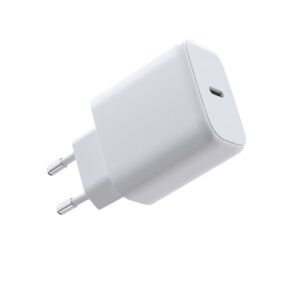
Adapter vs Converter: The Core Difference
An adapter (plug adapter) only changes the physical plug shape — it does nothing to the electricity. A converter (voltage converter or transformer) changes the voltage, usually from 220–240V down to 110–120V or vice versa. If your device is dual-voltage (most chargers and laptops are, marked 100–240V), you only need an adapter. If it is single-voltage, you need a converter.
When You Need a Voltage Converter (Travel, Appliances)
You need a converter for single-voltage appliances — hair dryers, irons, some kitchen devices — when travelling between voltage regions. Converters come in two types: lightweight electronic converters for electronics, and heavier transformer-based converters for motorised or heating appliances. Matching the converter to the appliance’s wattage matters; under-sizing is a fire risk.
Can a Converter Replace a Charger? (No — Here’s Why)
A converter changes voltage but does not manage charging. A charger regulates current and voltage to charge a battery safely; feeding raw converted voltage into a device that expects a charger is a good way to damage it. This is why our article on voltage converters for Europe separates the two jobs clearly.
Travel Adapter vs Converter: Which Do You Pack?
For a phone, laptop and camera, pack only a plug adapter — their chargers are dual-voltage. Add a converter only if you carry single-voltage appliances. A universal travel adapter with USB ports covers the 100–240V charger scenario in one device; our EU, UK, US and AUS plug configuration guide explains the regional combos.
How Chargers Handle 100–240V Internally
Modern switch-mode chargers accept the full 100–240V range internally — check the “Input: 100-240V” line on the label. That is why the same charger works in the US (120V) and Europe (230V) with only a plug change. GaN chargers are all dual-voltage; the conversion happens inside the switching power stage.
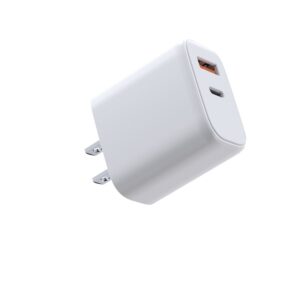
Voltage Converter Types: Electronic vs Transformer
Converters come in two families, and picking the wrong one for an appliance is a common travel mistake.
- Electronic converters — lightweight, cheap, good for electronics like chargers and laptops, but not for motorised or heating appliances.
- Transformer converters — heavier and pricier, but they handle the high inrush of hair dryers, irons and small kitchen appliances.
Match the converter type to the load: electronics for electronics, transformers for appliances — and always size above the appliance’s wattage.
Travel Adapter Safety: What Not to Plug In
A plug adapter looks harmless, and most travel damage comes from what people plug into it.
- Never plug a converter-dependent appliance into a plug adapter alone — without voltage conversion, a single-voltage device can be destroyed.
- Check the adapter’s rating — cheap adapters are not rated for high-current appliances.
- Do not daisy-chain — plugging a power strip into a travel adapter overloads it.
- Use certified adapters — they carry safety marks and rated current; uncertified ones may not.
How to Read a Device’s Voltage Label
The voltage label is the fastest way to know whether you need an adapter or a converter. Here is how to read it.
- “100–240V” or “100-240V 50/60Hz” — dual-voltage: only a plug adapter is needed.
- A single voltage like “120V” — single-voltage: a converter is required in a different voltage region.
- Wattage — the “W” figure on the label tells you the converter size needed for single-voltage appliances.
Thirty seconds reading the label saves both the device and the trip.
FAQ
Do I need a converter for my phone charger? No — phone and laptop chargers are dual-voltage; you only need a plug adapter.
Can an adapter convert voltage? No — an adapter only changes the plug shape; voltage conversion needs a converter.
What happens if I use the wrong voltage? A single-voltage device can be damaged or catch fire; always check the label.
Which converter type do I need for a hair dryer? A transformer-based converter rated above the appliance’s wattage.
Can you OEM a travel charger with universal plugs? Yes — interchangeable or foldable plugs, MOQ from 200 pcs. See the OEM/ODM page, the travel charger collection, or contact us.
References: Wikipedia’s AC adapter article, Wikipedia on voltage converters, HowStuffWorks, and Battery University.
Further reading: REI, CUI Devices.
This article is part of Travel Chargers & Plug Adapters, the guide that covers this topic in decision order.