IEC 60601 is the standards family behind medical electrical equipment, and it is often mentioned in charger sourcing conversations without being explained. This guide translates the framework into buyer language: what the family covers, what leakage current and isolation mean in practice, why EMC matters in clinical environments, the test items and documentation to request, and where consumer standards still apply.
The Standard Family Behind Medical Power
The IEC 60601 series addresses the safety and performance of medical electrical equipment. It is a family of standards, not a single document:
- IEC 60601-1 is the general standard for safety and essential performance.
- IEC 60601-1-2 covers electromagnetic compatibility (EMC).
- Additional collateral and particular standards address specific device types and specific risks.
The family applies to medical electrical equipment — which means whether a charger falls inside it depends on the device it powers and how that device is classified, not on the word “medical” printed anywhere. A charger for a medical cart powering standard laptops may sit outside the family; a power supply inside a patient monitor may sit inside it. The classification decision belongs to the device program’s QA or regulatory team.
Two concepts in the family deserve early mention: essential performance and risk management. Essential performance is the idea that the equipment must not just be safe but must perform the function that matters for care; risk management is the structured process of identifying hazards and reducing them to acceptable levels. The standards family builds both into the design and the documentation, which is why the paperwork for a medical electrical product is a design record, not a sticker — and why buyers should expect the record, not just the mark.
Leakage Current and Isolation in Plain Terms
Two concepts dominate the safety conversation:
- Leakage current is the small current that flows where it should not — through insulation, capacitance or a ground path. In clinical settings, the limits are tighter where the device can contact a patient, because even a small current through a patient can be dangerous.
- Isolation is the separation between the mains side and the parts a user or patient touches. The design uses insulation, spacing and, where needed, isolation barriers to keep the dangerous side away from the touchable side.
The buyer’s takeaway is that both are design properties with measurable limits. The specification should state the target, the test method and the result, and the documentation should trace the configuration tested. A charger whose isolation or leakage behavior has never been measured for the configuration in question has no evidence for either claim.
Expert view — WECENT project engineering team: The framework question comes first: is the charger part of a medical electrical system, and which classification applies? Until the device context is defined, leakage and isolation limits are numbers without a home. We advise buyers to settle the framework with their QA or regulatory team before requesting documents, so the evidence requested matches the requirement.
EMC Requirements for Medical Environments
Electromagnetic compatibility is the clinical concern that buyers rarely see coming. In a hospital, a charger shares the environment with monitors, pumps, imaging equipment and communication systems, and every device must neither disturb nor be disturbed by the others:
- Emissions must stay within limits so the charger does not interfere with nearby equipment.
- Immunity must hold so the charger keeps working when other equipment emits.
- The clinical setting raises the stakes: an interference event in a consumer home is an annoyance; in a clinical environment it can affect care.
The 60601-1-2 standard addresses exactly this balance. For a buyer, the practical request is the EMC evidence for the configuration, tested under the conditions relevant to the clinical environment.
Test Items and Documentation Buyers Should Request
When a charger is in scope, the documentation request should cover the test items the framework implies:
- Safety testing — the electrical safety test items for the configuration, including insulation and protection behavior.
- Leakage and isolation measurements — the measured values under the applicable test conditions.
- EMC testing — emissions and immunity per the applicable standard.
- The certificate and report — the document naming the standard, the model, the configuration and the issuer.
- The traceability — the batch records and the change log that tie production to the tested configuration.
The documentation is the evidence that the label or the marketing claim cannot provide. Request it with the sample, confirm the configuration matches, and re-confirm at each batch.
The practical sourcing rhythm follows the same shape as any qualified component: define the framework, request the evidence with the sample, verify the configuration match, and re-verify at each batch. The difference in medical contexts is the cost of a gap — an audit finding or a field issue that a consumer program would survive becomes a program-level problem. The documentation discipline is not administrative overhead; it is the deliverable.
Where Consumer Standards Still Apply
The same charger hardware can sit under different frameworks depending on the device context:
| Context | Likely framework |
|---|---|
| Standard laptop on a medical cart | Consumer safety standards (for example IEC 62368) |
| Peripheral charger for a medical system | May be part of the medical system’s assessment |
| Power supply inside a patient monitor | IEC 60601 family |
The IEC 62368 reference is the modern consumer audio/video and IT equipment standard — the framework that covers most everyday chargers and electronics. The boundary is decided by the device classification and the system context, and the same physical platform can appear on either side of it in different projects. The honest position for suppliers is to confirm which framework applies to your project and which certificates exist for the configuration, rather than implying a universal “medical” status.
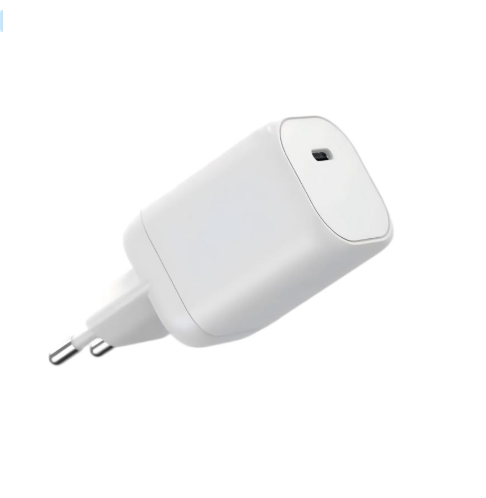
For the industry-standard context and the platforms available, the WECENT published FAQ covers the safety questions buyers raise, and the WECENT engineering team can confirm the documentation for your configurations. The GaN charger range lists the charger platforms that the framework decision applies to.
The particular and collateral standards are worth knowing by name, because they explain why one charger may need more than the general standard. Collateral standards address specific risk areas — EMC, usability, alarms and so on — and particular standards address specific device types. The document request should therefore name the specific standards that apply to the device context, not just the family, and the test plan should reflect them. Working with a test laboratory that knows the device category accelerates the process, because the lab translates the standard tree into the actual test items.
The buyer’s role in this technical landscape is deliberately narrow and important: define the device context, confirm the framework with the QA or regulatory team, and request the documents that match. The supplier’s role is to confirm which certificates and reports exist for the configuration. When both roles are clear, the standards conversation stays productive instead of drifting into marketing.
The framework decision should be written down, not carried in someone’s head: the device context, the classification, the applicable standards and the documentation list belong in the project file, dated and owned by the QA or regulatory team. When the decision is recorded, every supplier conversation starts from the same reference, and the inevitable questions — which standard, which tests, which documents — have one authoritative answer.
The framework, in one sentence: define the device context, confirm the classification, and let the documents — not the word “medical” — carry the compliance story.
The same document habit applies to the standard itself: quote the current text, name the edition, and let the latest version be the reference — because standards evolve, and the compliance story must follow.
Frequently Asked Questions
What is IEC 60601?
It is the standards family for medical electrical equipment, covering safety, essential performance and EMC. Whether it applies to a charger depends on the device it powers and the device classification.
Does every charger in a hospital need IEC 60601?
No. A charger for a standard laptop on a cart may sit under consumer standards. The framework is decided by the device context and classification, not by the building it is used in.
What is leakage current and why does it matter?
Leakage current is current that flows where it should not. In clinical settings, the limits are tighter where patient contact is possible, because even small currents can be dangerous.
What is 60601-1-2?
It is the EMC part of the 60601 family, covering emissions and immunity for medical electrical equipment. It exists because interference between devices in a clinical environment can affect care.
What documents should I request for a medical power project?
The certificate and report naming the standard, model and configuration, plus safety, leakage, isolation and EMC evidence, batch traceability and the change log.
Does WECENT hold IEC 60601 certification?
Certification is model-specific and must be confirmed per configuration. Share your device context and target markets with the project team to confirm which certificates and reports apply.
Sources
- WECENT – FAQ
- WECENT – GaN Charger Category
- WECENT – Quality Control
- WECENT – Contact Us
- International Electrotechnical Commission – Official Website
- U.S. Consumer Product Safety Commission – Official Website
This article is part of Medical Power Supplies, the guide that covers this topic in decision order.