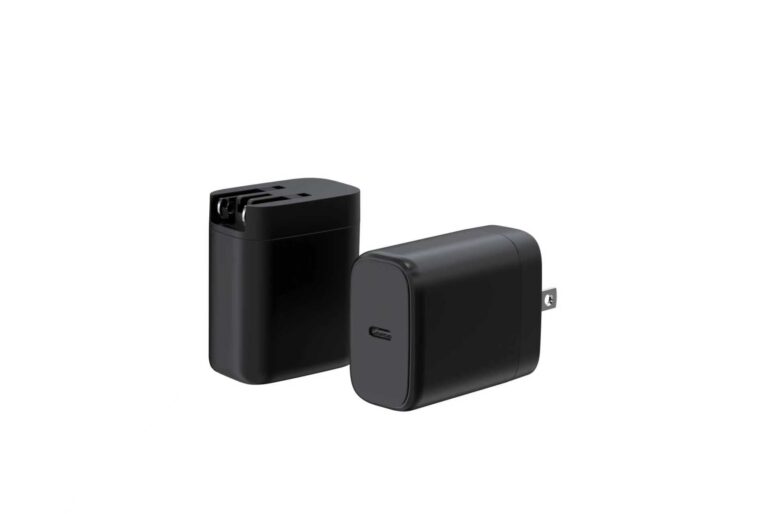
After Lightning, many USB-C charging accessories are, on Apple’s public MFi FAQ, not part of the Made for iPhone program — if they do not use MFi licensed technology. That fact is not a licence to print Apple marks, and it is not true of every USB-C accessory. This page is a regulatory reading for OEM brands. Program scope can change; re-verify on Apple’s current MFi pages before a launch. This article will not invent licence requirements or royalties.
Adjacent product context is in iPhone chargers and wireless charging.
What the Made for iPhone / MFi program covers after the Lightning sunset — and how to verify it
Apple’s public MFi FAQ, as opened for this article, covers third-party accessories that use MFi licensed technology. Accessories that do not use that technology are not in the program. USB-C charging accessories are listed among those examples, with stated exceptions. Re-verify this on the current FAQ before a launch.
The same FAQ, as opened here, lists USB Device Class accessories among the examples that are not in the program, and notes that accessories implementing iAP2 over USB, and vehicles that support CarPlay over USB, remain in the program. Lightning connectors and other licensed components, where they are still used, remain in the program as Apple lists them. Confirm the current wording on the MFi FAQ itself, because scope can change.
USB-C chargers, cables and wireless accessories: three different scope questions
A USB-C charger, a USB-C cable and a wireless accessory are three scope questions, not one. A charger or a cable that only provides USB Power Delivery, and that does not use MFi licensed technology, is on the FAQ’s “not part of the program” list as of the page opened here. A wireless pad is not made “MFi” by charging an iPhone. If a product implements a licensed technology Apple still lists, it is back inside the program. Write the actual functions, then read the current FAQ against those functions. Best-practice recommendations for USB-C accessories sit in Apple’s Accessory Design Guidelines, which the FAQ points to for USB-C work that is outside MFi.
| Accessory type | Scope question on the MFi FAQ opened for this article | What still needs a separate review |
|---|---|---|
| USB-C charging accessory that does not use licensed technology | Listed among examples that are not part of the program | Apple trademarks, product names, and artwork |
| USB Device Class accessory, same caveat | Listed among those examples | The current FAQ, because scope can change |
| Accessory that implements iAP2 over USB, or CarPlay over USB | The FAQ states these remain in the program | Licence role and a verification path |
| Wireless pad or stand | Not made “MFi” only by charging an iPhone | Qi2 and MagSafe, which are separate marks |
Logo use, packaging and listing gates a brand should not assume from a factory email
A factory email that says “we are MFi” is not a logo licence and is not a listing. Apple’s FAQ describes how licensed accessories can become searchable after certification requirements are completed, and how distributors source finished goods from authorised manufacturers. Ask for the licence role, the authorised-manufacturer status, and a way to verify the accessory, not for a badge in an email. Do not print an MFi badge because a quotation included one. Apple states that royalty information is available only under NDA; this article will not invent it. A public FAQ figure for a program fee, if you need it, should be read on the current page, not copied from memory.
How this sits beside the existing Lightning-cable fast-charge article (link, do not repeat)
This site already has material on Lightning-cable fast-charge behaviour. This page does not repeat it. Lightning is a different connector and, where MFi licensed Lightning components are used, a different program question. After the Lightning sunset on current iPhone models, the USB-C questions above are the ones a new accessory launch must answer. Keep the two articles as two files: one for remaining Lightning products, one for USB-C scope.
Qi2 and MagSafe-related marks: keep them legally separate from MFi
Qi2 is a Wireless Power Consortium mark, with its own licence and listing rules. MagSafe is an Apple trademark, with its own legal file. Neither is MFi, and an MFi badge does not authorise either mark. Keep the three in separate review packs.
Qi2 logo and licence rules live on WPC’s trademark licenses page and in the WPC logo display guidelines (revised 23 October 2025), which are not MFi documents. Wireless OEM context is in wireless charger OEM and ODM and in Qi2 certification and selection. How accessories prove themselves to a device is described in Apple’s own note on verifying accessories; that note is about MFi authentication, not about Qi2.
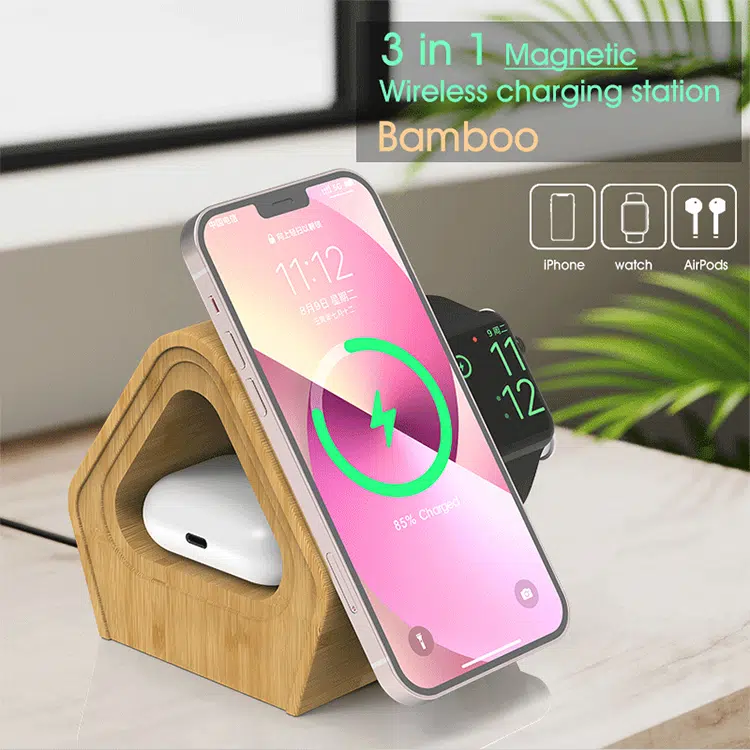
When a USB-C iPhone accessory does not need MFi — stated only after official text is checked
On the FAQ opened for this article, a USB-C charging accessory that does not use MFi licensed technology or licensed components does not need to join the program. That statement is only as current as the page you re-open at launch. It does not apply if the accessory uses iAP2 over USB, or another listed licensed technology. It does not authorise Apple logos or product names on a carton. When the official text is checked and the functions are clearly outside the program, the honest artwork is silent on MFi, and follows the Accessory Design Guidelines for USB-C behaviour.
A document checklist for an Apple-adjacent accessory launch
Before launch, collect: the current MFi FAQ print-out or URL and date; a function list for the SKU; a conclusion, with a named owner, of whether MFi applies; if it applies, licence role, manufacturer authorisation and a verification path; if it does not, a written instruction that MFi badges stay off the artwork; separate reviews for Qi2 and for Apple trademarks; and a pointer to the current Accessory Design Guidelines. Other iPhone-adjacent catalog pages, including wireless chargers, should go through the same list.
Retail and Amazon claim risk around Apple-related wording
Retail and marketplace listings that say “Made for iPhone,” “MFi,” or that use Apple product photography and marks, will be read as claims. If MFi does not apply, those words should not appear. If it does apply, the listing should match a verifiable licensed accessory, not a factory slogan. A take-down is cheaper to prevent than to argue.
Questions for a factory that says “we are MFi”
Ask: which legal entity holds the licence; which role (brand owner, ODM, contract manufacturer); whether the factory is an authorised manufacturer for the goods you will brand; whether this SKU uses licensed technology; how the accessory will be verifiable after certification; and who owns the artwork approval. A yes without those answers is not a file. Apple’s MFi Program entry is the place to start that verification, not a screenshot of a logo wall.
What writers must re-verify on Apple’s MFi official pages before publication
Before this page, or any product carton, is published or reprinted, re-open the MFi FAQ and the Accessory Design Guidelines and confirm: what is in the program, what is not, the USB-C charging example, the iAP2 and CarPlay exceptions, and how licensed accessories are verified. If those pages have changed, the article and the artwork must follow the new text. This is a standing instruction, not a one-time check.
Conclusion
After Lightning, USB-C charging accessories that do not use MFi licensed technology are, on Apple’s current public FAQ, outside the program — with stated exceptions. That is a scope fact to re-verify, not a licence to print Apple marks. Keep Qi2 and MagSafe in separate files, and refuse a factory “we are MFi” email as a substitute for a verifiable licence.
If your team is scoping a USB-C or wireless accessory for Apple devices and wants to discuss a document checklist, you can send that scope through the wireless charger OEM and ODM page. This is a project discussion, not an MFi filing.
FAQ
After Lightning, does a USB-C iPhone charger have to join the MFi program?
On Apple’s public MFi FAQ, as opened for this article, USB-C charging accessories that do not use MFi licensed technology or licensed components are not part of the program. That statement must be re-verified on the current FAQ before a launch, because scope can change. It does not apply if the accessory uses iAP2 over USB, or another listed licensed technology. It is not a licence to print Apple marks. When the functions are clearly outside the program, the honest artwork is silent on MFi and follows the Accessory Design Guidelines.
Is a factory email that says “we are MFi” enough for a carton badge?
No. Apple’s FAQ describes a programme for accessories that use licensed technology, a path for licensed accessories to become searchable, and authorised-manufacturer roles. Ask which legal entity holds the licence, which role, whether this SKU uses licensed technology, and how the accessory will be verifiable after certification. Royalty information is available only under NDA; this article will not invent it. A badge on a quotation is not a listing. Re-open the current MFi FAQ and the Accessory Design Guidelines before print.
Does a Qi2 or MagSafe mark mean the accessory is MFi?
No. Qi2 is a Wireless Power Consortium mark, with its own licence and listing rules. MagSafe is an Apple trademark, with its own legal file. Neither is MFi, and an MFi badge does not authorise either mark. A wireless pad is not made “MFi” only by charging an iPhone. Keep the three in separate review packs, and re-verify each on the current official pages. A catalog title that uses an Apple trademark needs that separate review before it is repeated on a carton.
What should a brand collect before an Apple-adjacent USB-C launch?
Collect a dated copy or URL of the current MFi FAQ; a function list for the SKU; a written conclusion, with a named owner, of whether MFi applies; if it applies, licence role, manufacturer authorisation and a verification path; if it does not, a written instruction that MFi badges stay off the artwork; separate reviews for Qi2 and for Apple trademarks; and a pointer to the current Accessory Design Guidelines. Retail and marketplace listings should follow the same file, not a factory slogan.
{
“@context”: “https://schema.org”,
“@type”: “FAQPage”,
“mainEntity”: [
{
“@type”: “Question”,
“name”: “After Lightning, does a USB-C iPhone charger have to join the MFi program?”,
“acceptedAnswer”: {
“@type”: “Answer”,
“text”: “On Apple’s public MFi FAQ, as opened for this article, USB-C charging accessories that do not use MFi licensed technology or licensed components are not part of the program. That statement must be re-verified on the current FAQ before a launch, because scope can change. It does not apply if the accessory uses iAP2 over USB, or another listed licensed technology. It is not a licence to print Apple marks. When the functions are clearly outside the program, the honest artwork is silent on MFi and follows the Accessory Design Guidelines.”
}
},
{
“@type”: “Question”,
“name”: “Is a factory email that says “we are MFi” enough for a carton badge?”,
“acceptedAnswer”: {
“@type”: “Answer”,
“text”: “No. Apple’s FAQ describes a programme for accessories that use licensed technology, a path for licensed accessories to become searchable, and authorised-manufacturer roles. Ask which legal entity holds the licence, which role, whether this SKU uses licensed technology, and how the accessory will be verifiable after certification. Royalty information is available only under NDA; this article will not invent it. A badge on a quotation is not a listing. Re-open the current MFi FAQ and the Accessory Design Guidelines before print.”
}
},
{
“@type”: “Question”,
“name”: “Does a Qi2 or MagSafe mark mean the accessory is MFi?”,
“acceptedAnswer”: {
“@type”: “Answer”,
“text”: “No. Qi2 is a Wireless Power Consortium mark, with its own licence and listing rules. MagSafe is an Apple trademark, with its own legal file. Neither is MFi, and an MFi badge does not authorise either mark. A wireless pad is not made “MFi” only by charging an iPhone. Keep the three in separate review packs, and re-verify each on the current official pages. A catalog title that uses an Apple trademark needs that separate review before it is repeated on a carton.”
}
},
{
“@type”: “Question”,
“name”: “What should a brand collect before an Apple-adjacent USB-C launch?”,
“acceptedAnswer”: {
“@type”: “Answer”,
“text”: “Collect a dated copy or URL of the current MFi FAQ; a function list for the SKU; a written conclusion, with a named owner, of whether MFi applies; if it applies, licence role, manufacturer authorisation and a verification path; if it does not, a written instruction that MFi badges stay off the artwork; separate reviews for Qi2 and for Apple trademarks; and a pointer to the current Accessory Design Guidelines. Retail and marketplace listings should follow the same file, not a factory slogan.”
}
}
]
}