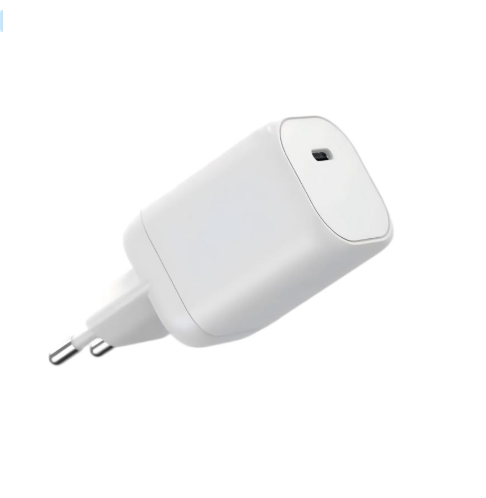
The emergency lamp with USB output is a dual-use product: a light for the blackout and a power source for the phone, in one device. The two jobs share the same battery — the lamp draws from it when the lights are off, and the phone draws from it when the wall does not work — which makes the capacity and the output the core of the specification. This guide covers the two jobs, the capacity and output promises that are honest, the scenarios that sell, the safety and certification for battery lamps, and the positioning ideas for a product line.
The Two Jobs of an Emergency Lamp
The product does two things with one battery:
- Lighting. The lamp runs from the internal battery when the mains is unavailable.
- Power. The USB output charges a phone or a small device from the same battery.
The two jobs compete for the same capacity, and the user experience is set by the trade: how long the light runs, how much phone charge remains, and how the user chooses between them. The dual-use logic is the product's identity — a lamp that is also a power bank, or a power bank that is also a lamp.
Capacity and Output: What to Promise Realistically
The honest numbers are the ones measured with the condition stated:
- The runtime at a defined brightness, for the light alone.
- The phone top-up the battery can deliver, with the conversion losses counted.
- The combined case — light on and phone charging at the same time.
The marketing temptation is to quote the battery's nominal capacity as if it all reached the phone; the honest spec states the usable output and the runtime at the brightness. The buyer who reads the honest numbers trusts the product; the one who discovers the gap in a blackout does not.
Expert view — WECENT product team: The dual-use lamp sells on the scenario, not the spec: the blackout story, the camping story and the roadside story. The specification must support the story honestly — the runtime at brightness, the phone top-up and the combined case — because the product's promise is tested exactly when the user needs it most.
Scenarios That Sell: Blackout, Camping, Roadside
| Scenario | What the user needs |
|---|---|
| Blackout | Hours of light, a phone that stays alive |
| Camping | A portable light and a phone top-up |
| Roadside | A signal light and emergency phone power |
The scenarios are the marketing half of the product: each one pairs the light and the power job in a concrete story. The blackout story is the strongest — the lamp and the phone are the two things a household needs when the power fails — and the roadside story adds the safety dimension of a visible light.
Safety and Certification for Battery Lamps
Battery products carry their own safety conversation:
- The battery management. Overcharge, over-discharge and temperature protection are baseline.
- The charging input. The lamp's own recharge follows a controlled curve.
- The output. The USB output carries the protections of a small power source.
- The certification. The battery, the charging and the lighting functions follow the applicable standards for each market.
The safety story is the same discipline as any battery product: the management, the protections and the certificates keep the dual-use lamp safe in the user's home, tent or car.
Positioning Ideas for Your Product Line
- The household emergency kit. A dual-use lamp sized for a blackout night.
- The outdoor line. A rugged version for camping and travel.
- The roadside kit. A light with a signal mode and phone power.
- The gift item. A branded dual-use lamp for programs and seasonal sets.
The positioning follows the scenario: each line tells one story, and the specification — runtime, top-up and combined case — supports the story. For a dual-use lamp line, the New Products page shows the current compact products, and the WECENT project engineers can review your concept for a development proposal. The WECENT FAQ center answers the module-level charging questions for lamp integrations.
The Scenario Specification
Each selling scenario translates into a specification. The blackout story needs a runtime measured in hours at a defined brightness, a phone top-up that covers an emergency call, and a charging input that refills the lamp from the wall when power returns. The camping story adds portability — weight, a carry loop and a rugged housing — and the roadside story adds a signal mode and a visible light for safety.
The scenario specification is the bridge between marketing and engineering: the story sets the user need, and the specification sets the measurable items. The runtime at brightness, the phone top-up with conversion losses counted, the combined case of light and charging together, and the recharge time are the numbers the story stands on.
The scenario specification, in the end, is what keeps the marketing honest: the product that delivers the blackout night, the camping light and the roadside signal is the product the scenarios promise. The buyer who specifies the scenario gets the lamp that performs when it matters.
The Capacity Table
The honest capacity table is the product's trust document: the runtime at each brightness level, the phone top-up with conversion losses counted, the combined case of light and charging together, and the recharge time from the wall. The table is measured under defined conditions and printed on the package, because the dual-use product's promise is tested exactly when the user needs it most.
The capacity table also sets the line's boundaries: a compact model for the emergency-kit price point, a larger model for the camping and roadside stories, and the shared safety and certification across the family. The table makes the line comparable and the claims verifiable.
The capacity table, in the end, is what separates the dual-use lamp from a marketing story: the numbers are measured, the conditions are stated and the promises are honest. The product that publishes the table is the product the scenarios can stand on.
The Line Planning
The dual-use lamp line plans around the scenarios: a compact emergency model for the household kit, a rugged camping model with a carry loop, and a roadside model with a signal mode — each built on the same battery and charging platform, differentiated by the housing and the feature set. The shared platform keeps the SKU count and the cost down while the scenarios differentiate the line.
The line planning also schedules the seasons: the emergency and camping models peak before storm and summer seasons, the roadside model sells year-round, and the gifting variant follows the holiday calendar. The plan maps each SKU to its window and its reorder trigger, keeping the inventory honest across the line.
The line planning, in the end, is the commercial structure that turns the dual-use concept into a family: the shared platform, the scenario SKUs and the seasonal windows. The plan is what makes the concept a business rather than a single product.
The dual-use close: the scenario defines the specification, the capacity table makes it honest, and the shared platform keeps the line profitable — the three parts of the emergency lamp story.
The dual-use lamp, in full: the scenario sets the spec, the capacity table keeps the promise honest, and the shared platform makes the family profitable — the three lines of the emergency lamp plan.
And the product earns the trust on that table — the measured numbers and the honest boundaries of the dual-use promise.
The honesty, in the end, is the capacity table.
And the honesty, in the end, is the capacity table printed on the package.
And that honesty, in the end, is the whole promise.
For emergency and outdoor lines, the dual-use story works only when the USB output is documented under load — that is the specification that separates a lamp from a battery with a light on top.
Frequently Asked Questions
What is an emergency lamp with USB output?
A dual-use battery lamp: it lights when the mains is unavailable and charges a phone from the same battery through its USB output.
How long does the lamp run and how much phone charge remains?
It depends on the capacity and the usage; the honest spec states the runtime at a defined brightness, the phone top-up and the combined case.
Can the lamp light and charge at the same time?
Yes, when the design supports the combined case — the battery serves both jobs, and the runtime and the top-up change accordingly.
What safety features does a battery lamp need?
Battery management — overcharge, over-discharge and temperature protection — plus the protections on the charging input and the USB output, with certification for each market.
What scenarios sell a dual-use lamp?
The blackout story, the camping story and the roadside story — each pairs the light and the power job in a concrete use.
Can WECENT develop a dual-use lamp for my line?
Yes. WECENT is an OEM/ODM partner with charging and power management platforms. Share your concept and scenario with the project team for a development proposal.
This article is part of Power Banks & Power Stations, the guide that covers this topic in decision order.