
The sight of a powerful 65W or even 100W laptop charger plugged into a modest 18W phone can be alarming. The short and reassuring answer is: no, not under normal circumstances. Modern charging protocols are designed to prevent exactly this kind of damage—your phone only draws the power it can handle, no matter the charger’s capacity.
(Last modified date: September 2, 2026)
Can a high-power charger damage a low-power phone? No. Modern phones control how much power they draw, ensuring they only receive what is required. A 65W charger will not harm a phone designed for 20W—the phone’s internal power management limits intake to its supported capacity.
Key Takeaways
- The power negotiation handshake ensures the charger delivers only within the phone’s agreed limits.
- The phone is in control: a high-power charger simply has higher capacity, not forced output.
- Built-in voltage regulation steps down higher voltages before they reach the battery.
- Damage risk comes from counterfeit chargers, damaged cables/ports, or non-standard methods.
- A high-power charger won’t charge a low-power phone faster than its own limit.
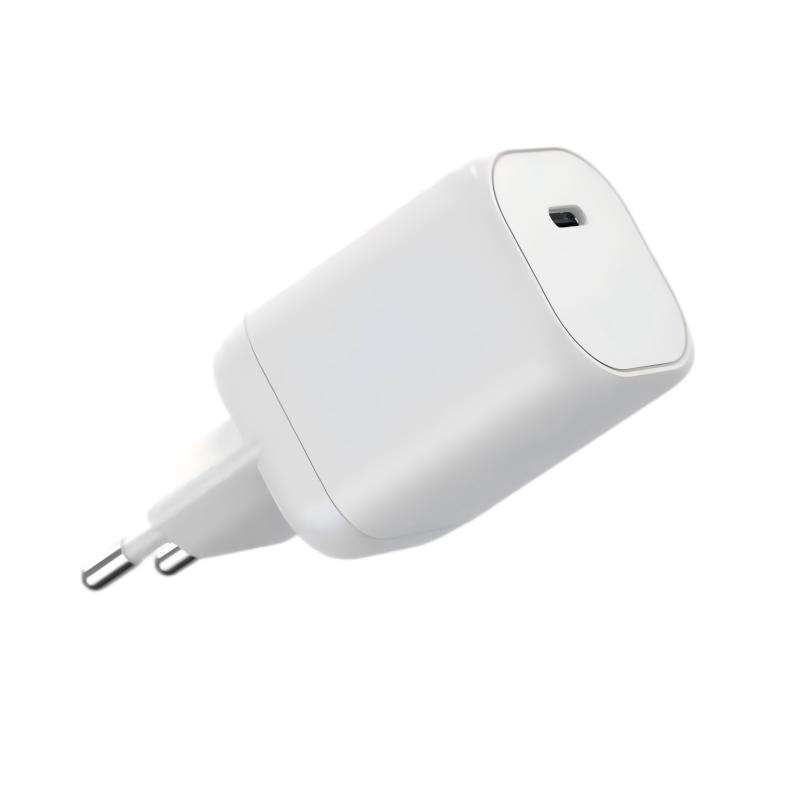
Why Your Phone Is Safe
The Power Negotiation Handshake
When you plug your phone into any charger (USB-C or modern USB-A with protocols like USB Power Delivery or Qualcomm Quick Charge), they perform a digital handshake. Your phone communicates its maximum supported voltage and current (e.g., 9V/2A = 18W max), and the charger delivers only within those agreed limits. It cannot force more power than the phone requests.
The Phone Is in Control
Think of your phone as the driver and the charger as the gas pump. The phone decides how much power it draws, up to its own maximum capability. A high-power charger simply has higher capacity; it does not force that capacity onto the phone.
Built-in Voltage Regulation ⚡
Your phone’s charging circuitry includes sophisticated voltage regulators. Even if a charger defaults to a higher voltage (like 20V for laptops), the phone’s regulator steps it down to the safe voltage it requires (like 5V or 9V) before it reaches the battery.
What Can Cause Damage? ⚠️
- Extremely poor-quality or counterfeit chargers: may lack safety features or correctly implement power negotiation, potentially sending incorrect or unstable voltage/current.
- Damaged cables or ports: frayed cables or dirty/damaged USB ports can cause short circuits or inconsistent connections.
- Non-standard charging methods: bypassing standard protocols (like direct DC feeds not designed for phones) is extremely risky.
So, What Happens When You Use a High-Power Charger?
Your phone will simply charge at its own maximum supported speed. If your phone maxes out at 18W, plugging it into a 65W charger still gives you 18W charging. It won’t charge faster, and it won’t magically unlock speeds your phone doesn’t support.
The Verdict ✅
Using a high-quality, high-wattage USB-C (or modern USB-A with QC/PD) charger to charge a lower-power phone is perfectly safe and will not damage your device. Smart communication protocols and internal safeguards ensure it only takes what it can handle.
Recommendations
- Use reputable chargers and cables—stick with well-known brands or standards-certified chargers (USB-IF), and avoid suspiciously cheap chargers.
- Look for protocol compatibility—ensure the charger supports common fast-charging protocols like USB-PD and QC.
- Don’t worry about over-powering—focus on charger quality and compatibility, not just the maximum wattage. A good 65W charger is a versatile and safe option for your phone, tablet, and laptop.
FAQs
Can I use a high-power charger on a low-power phone?
Yes. Modern phones control how much power they draw, ensuring they only receive what is required. Using a reputable charger from trusted brands like Wecent ensures safety and stable charging.
Will a 65W charger harm a 20W phone?
No. The phone’s internal power management limits intake to its supported capacity; high-quality chargers automatically adjust output.
Do high-wattage chargers damage batteries?
No. Devices regulate how much power is accepted, preventing overcharging. The main risks come from poor-quality or uncertified chargers lacking protections.
Is fast charging safe for older phones?
Generally yes, if the charger and cable are certified. Phones negotiate optimal power, so even a fast charger will not force more current than the device can handle.
Can cheap chargers cause phone damage?
Yes. Low-quality or counterfeit chargers may lack overvoltage, overcurrent, or short-circuit protection. Always use certified chargers and cables.
Does using a high-power charger speed up charging for low-power phones?
Not necessarily. The phone charges only at its maximum supported speed—a 20W phone on a 65W charger still charges at 20W.
Can voltage differences harm my phone?
Using a charger with significantly different voltage than required can be harmful, but this is rare with standard USB chargers that communicate and match voltage and current.
Are wireless chargers safe for low-power devices?
Yes. The device controls power intake, and certified wireless chargers prevent overheating, overcharging, or voltage mismatches.
Related Articles
- Can I Use an iPad Charger for iPhone?
- Can I Use an iPhone Charger for an iPad?
- 5W vs 20W vs 30W iPhone Charger: Which One Is Truly the Fastest?
Official Resources
References
- Power-negotiation behavior follows the original article and USB-PD/QC standards [VERIFY].