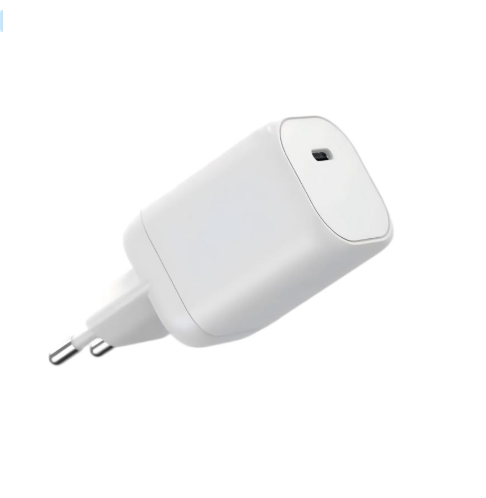
A custom medical charger is built by choosing a level of customization, not by starting from a blank page. The three levels — OEM branding, enhanced OEM configuration and full ODM design — add control, cost and lead time in steps, and the right level follows the launch plan. This guide explains what each level adds, how to choose the level that fits the launch, how customization affects certification, the cost and timeline reality, and what a custom charger brief should contain.
Key takeaways
- Customization is a ladder: brand layer, configuration tuning, then full design.
- The level follows the launch plan, not the ambition of the team.
- Every level of customization changes the certification story.
Content updated: August 2026 — confirm current standards editions and model-specific details before ordering.
Scope note: This guide is industry information, not regulatory, legal or certification advice; standards applicability is confirmed per configuration.
Level 1 to Level 3: What Each Adds
The three levels describe how much of the product is customized:
| Level | What changes | What stays |
|---|---|---|
| Level 1 OEM | Logo, color, finish, packaging | Platform, internals, certification basis |
| Level 2 Enhanced OEM | Power, ports, plugs within the platform | Platform architecture and core internals |
| Level 3 Full ODM | Industrial design, internals, roadmap | The manufacturing and quality process |
Level 1 is the fastest and lightest: the brand layer is customized on a proven platform. Level 2 tunes the configuration to the device program. Level 3 builds a product designed around the program, with the longest timeline and the deepest control.
The ladder matters because each level changes what the buyer controls and what the buyer owns. A Level 1 program controls the shelf story; a Level 3 program controls the design itself. The level is a business decision before it is an engineering one.
The level also changes the relationship with the supplier. A Level 1 program relies on the supplier’s platform and its certification basis; a Level 3 program hands the supplier a design brief and expects a product back. The trust profile is different at each level, and the contract, the review cadence and the documentation expectations should reflect it.
The levels are not a quality ranking. A Level 1 charger is not “worse” than a Level 3 one; it is a different answer to a different question. The question is how much of the product the program needs to control, and the answer is the level.
Choosing the Level That Fits the Launch
The right level follows the launch plan:
- Time to market — a fast launch favors Level 1 on a proven platform.
- Differentiation — a crowded shelf may justify Level 2 or Level 3.
- Volume and roadmap — a long program can amortize the deeper investment.
- Certification tolerance — deeper customization changes the document story.
The choice is a trade, not a preference. A team that needs speed should not start at Level 3; a team that needs differentiation should not expect Level 1 to deliver it. Writing the launch constraints down before choosing the level keeps the decision honest.
The level can also evolve. Many programs launch at Level 1 to validate the market, then move to Level 2 or Level 3 on the next generation. The evolution is planned, not accidental, and the certification and documentation story is re-reviewed at each step.
The evolution is also a negotiation point. Moving up the ladder changes the minimums, the timeline and the document set, and the supplier should be asked to quote the steps as well as the destination. A program that knows the roadmap can ask for the level-appropriate terms from the start, avoiding renegotiation mid-flight.
The launch plan should name the level explicitly, because the rest of the program — samples, certification, packaging, support — reads from it. A launch document that says “custom charger” without a level has not made the decision the program depends on.
How Customization Affects Certification
Certification follows the configuration. A Level 1 program that changes only the brand layer stays close to the platform’s certification basis; a Level 2 program that changes power, ports or plugs changes the configuration and should re-review the certificate coverage; a Level 3 program designs its own certification path.
The practical rule is the model-match rule from the rest of the cluster: the certificate must name the exact configuration that ships. Every customization step that touches the electrical configuration should trigger a review of whether the certificate still covers the SKU.
The buyer and the supplier should agree in advance which changes require re-certification and who owns the notification. The change process is part of the program, and it is written down before the first customization rather than discovered after the first change.
The certification review is also where the level interacts with the market list. A Level 2 change that adds a plug variant for a new market changes both the configuration and the certificate story, and the market decision and the certification decision are made together. The matrix approach from the regional guide applies here as well: one row per market, reviewed when the configuration changes.
For the document file, the customization history is part of the record. Each level change, each configuration change and each certificate update is dated and versioned, so the file shows what was current when. The file is the program’s evidence, and the customization is its most active chapter.
Cost and Timeline Reality
Cost and timeline rise with the customization level, but the numbers are configuration-dependent and confirmed per project rather than quoted as a universal figure. What is predictable is the shape: Level 1 adds the least, Level 3 the most, and the gap is driven by design work, tooling and certification.
The timeline follows the same shape. Level 1 can move quickly on a proven platform; Level 3 includes design, tooling and testing phases that set the calendar. The program should plan the timeline against the launch date, not against the ideal.
The honest way to budget is to ask for the level, the configuration and the markets together, so the quote reflects the actual scope. A quote that arrives before the level is defined is a quote for a different project.
The cost structure also explains why the level decision should not be made by engineering alone. The commercial team brings the launch constraints, the quality team brings the certification view, and the engineering team brings the design options. The level is a cross-functional decision, and the project file records the trade as it was made.
The timeline reality includes the buffer. Customization programs underestimate the certification and tooling steps more often than the design steps, and the buffer belongs in the plan before the launch date is promised. A plan with a buffer survives contact with reality; one without it does not.
Bringing a Custom Charger Brief
The brief for a custom charger names:
- The device and its power request.
- The customization level and the specific changes.
- The markets, plugs and certification needs.
- The launch date and the volume plan.
- The document set required.
The customization ladder starts with the OEM & ODM Services page at WECENT, and the WEP Series GaN Chargers are the fixed-plug platform for single-region lines. To start a customization project, submit the brief to WECENT’s project engineering team — the review returns the level, configuration and timeline proposal with the document set for the program.
The customization process closes with the same gates as the rest of the medical cluster: define the brief, confirm the classification, freeze the configuration, validate the sample and gate the volume order on batch records. The level determines how much of that process the program controls; the gates determine whether the result is defensible. A program that runs both — the right level and the full gate discipline — gets a custom charger that is actually ready for its market and its documents.
Frequently Asked Questions
What is the difference between Level 1, 2 and 3 customization?
Level 1 customizes the brand layer on a proven platform; Level 2 tunes power, ports and plugs within the platform; Level 3 designs the product around the program. Each level adds control, cost and lead time.
Which level should a new brand start with?
Usually Level 1, to validate the market quickly on a proven platform, then evolve to deeper levels on the next generation. The choice follows the launch plan and the certification tolerance.
Does customization change the certificate?
It can. Any change to the electrical configuration should trigger a review of whether the certificate still names the SKU. The change process is agreed in advance.
How long does a custom charger take?
The timeline follows the level and the configuration, and it is confirmed per project. Level 1 is fastest on a proven platform; Level 3 includes design, tooling and testing phases.
What should I send in a customization brief?
The device and power request, the customization level, the markets and certification needs, the launch date and volume, and the document set. A complete brief produces a configuration quote.
Sources
- WECENT – OEM & ODM Services
- WECENT – WEP Series GaN Chargers
- WECENT – Quality Control
- WECENT – Contact Us
- International Electrotechnical Commission – IEC 60601 Standards
- European Commission – Medical Devices
This article is part of Medical Power Supplies, the guide that covers this topic in decision order.