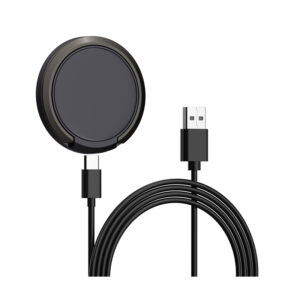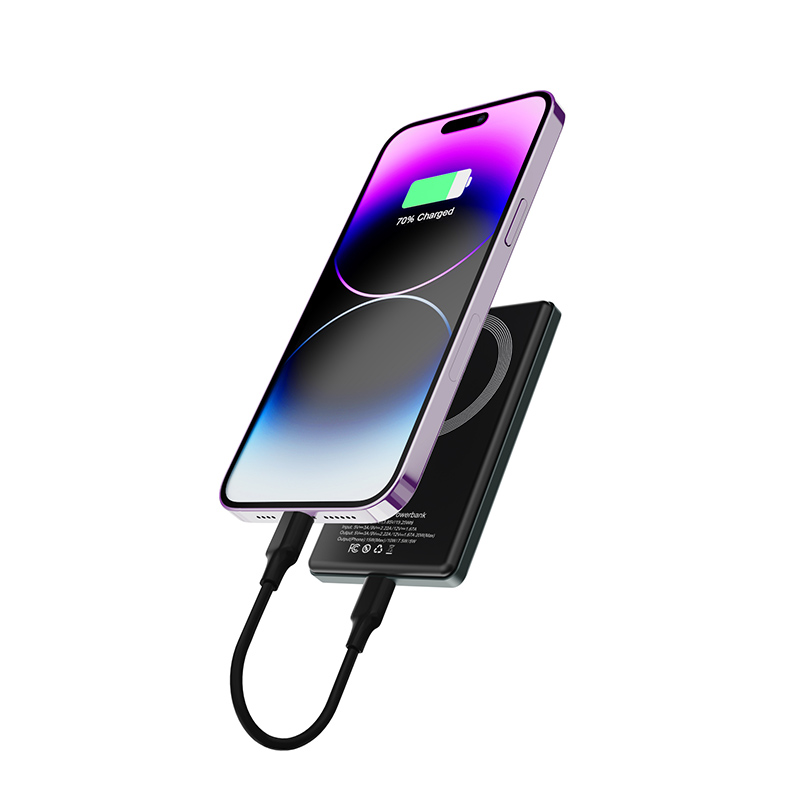
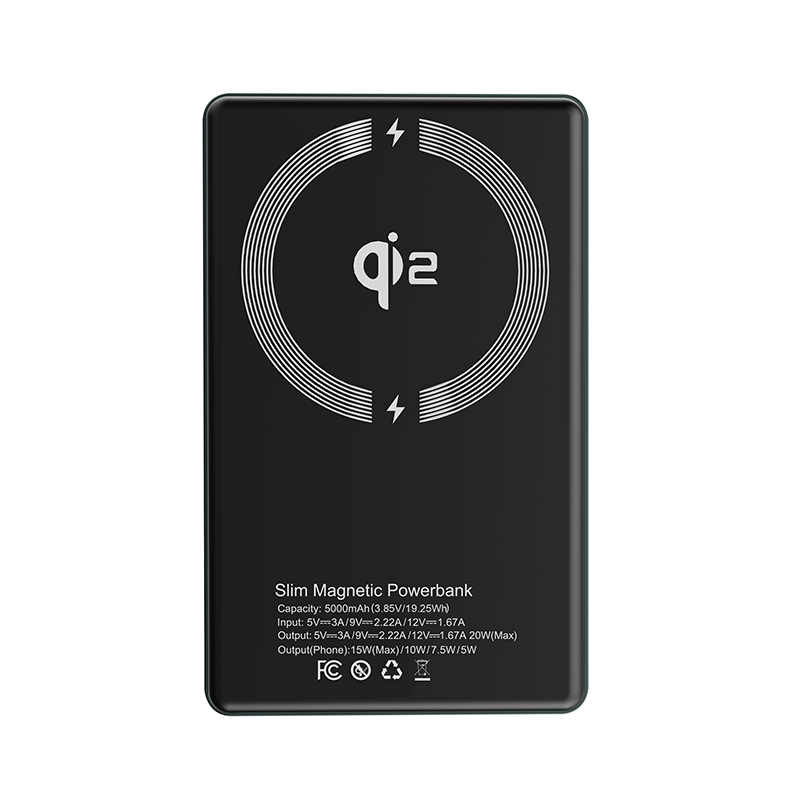
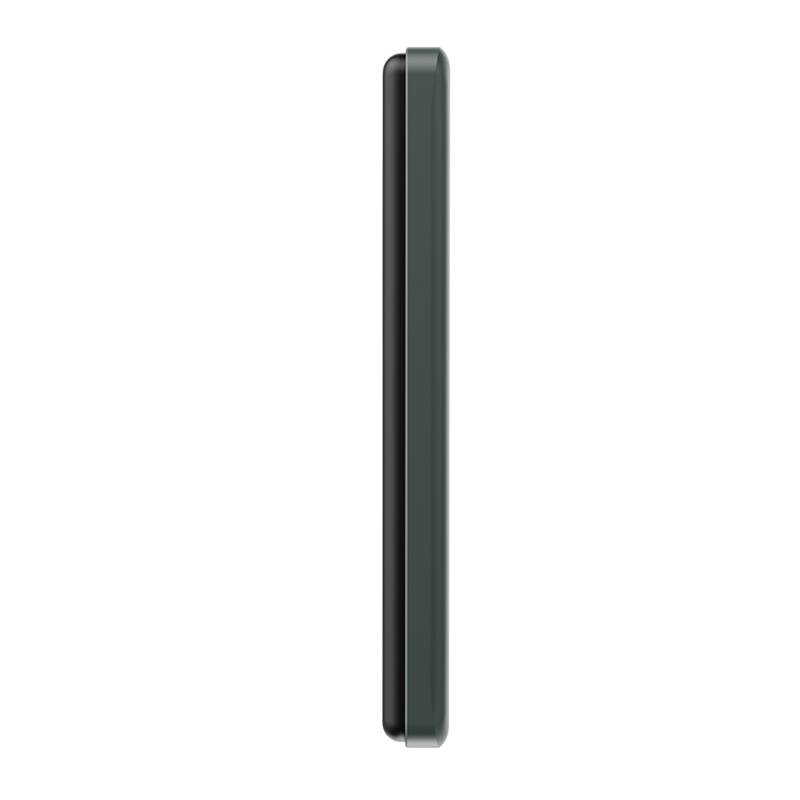
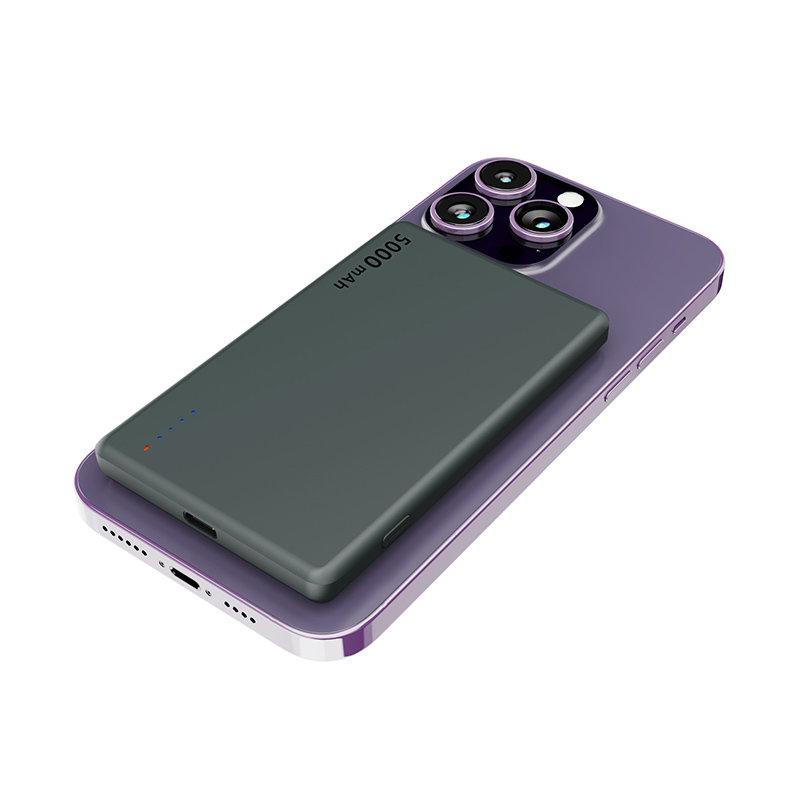
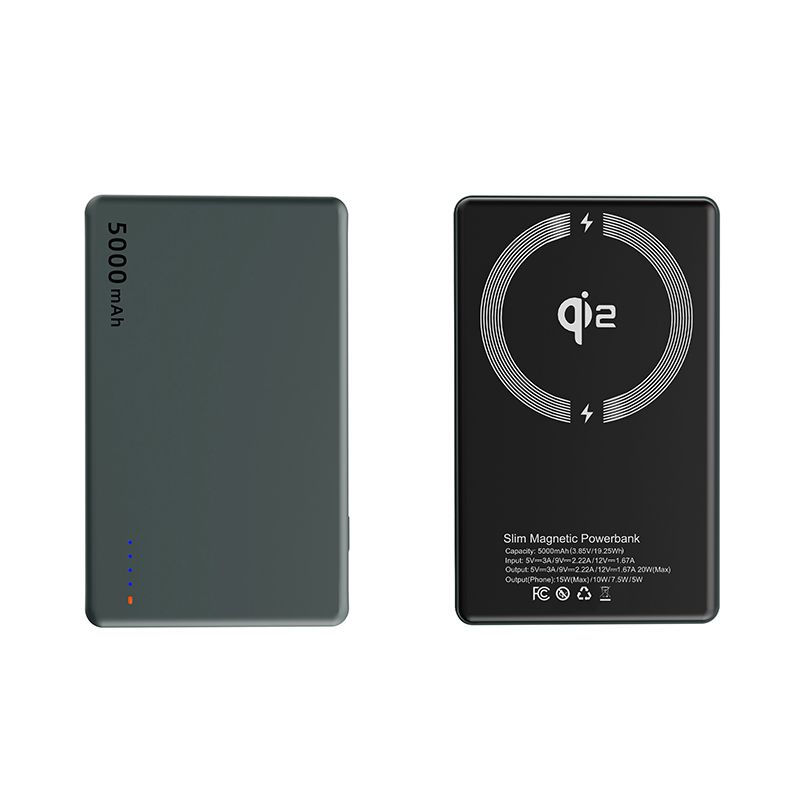
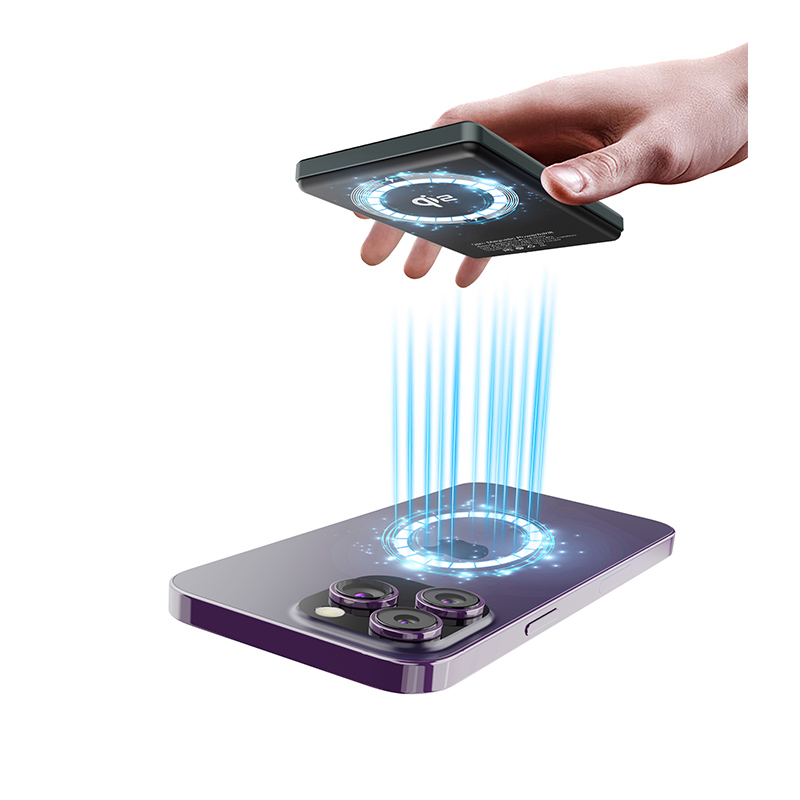
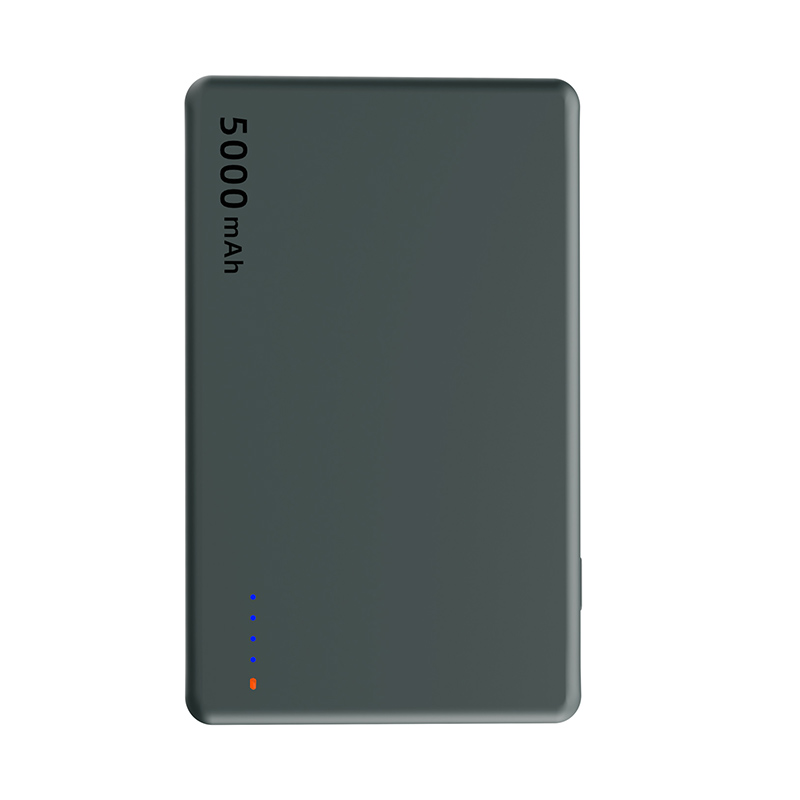
In 2026, airlines worldwide ban using or charging power banks mid-flight due to thermal runaway risks. Power banks must stay under 100Wh, be clearly labeled, kept under your seat (not overhead bins), and placed only in carry-on luggage—never checked bags. Up to two power banks per passenger are allowed; those between 100–160Wh require advance airline approval.youtubenewsmypower+1

How Do the New 2026 Airline Power Bank Rules Affect International Travelers?

The 2026 airline power bank rules 2026 mark a dramatic safety shift: nearly all major carriers now prohibit using portable chargers during flight. This isn’t optional—it’s enforced strictly from takeoff to landing.newsmypower

The catalyst was a surge in inflight thermal runaway incidents, reaching 97 reported cases in 2025 alone. Airlines like Lufthansa Group banned using or charging power banks starting January 15, 2026. American Airlines and Southwest followed with similar mandates requiring devices remain visible and within reach at all times.reddit+1

Key changes for 2026:

Rule Category 2024–2025 Policy 2026 Policy
In-flight use Allowed by most airlines Strictly banned
Storage location Overhead bins permitted Under seat only
Max per passenger Varies by airline 2 power banks max
Checked luggage Confiscated if found Never allowed
100–160Wh approval Sometimes waived Always required

For international travelers, these rules apply regardless of departure country when flying with carriers that adopted the 2026 standards. The International Air Transport Association (IATA) recommends up to 100Wh without approval, but national regulations may vary.anker

What Are the Specific Watt-Hour Limits and Storage Requirements for 2026?

The standard limit for lithium-ion power banks remains 100 Watt-hours (Wh) for cabin carry-on without airline approval. This translates to approximately 27,000 mAh at 3.7V.ukairporttransferservices.co+1

Three-tier capacity rules:

  • Below 100Wh: Generally allowed without approval; most consumer power banks fall heretravelsentryyoutube

  • 100–160Wh: Maximum two per passenger; requires documented advance airline approvalyoutubereddit

  • Over 160Wh: Strictly forbidden on all passenger aircraft with no exceptionscnnyoutube

Storage requirements are now stricter than ever. Power banks must be kept on your person, in a seat pocket directly in front of you, or in your personal item under the seat. Storing them in overhead compartments is explicitly prohibited.fortress+2

If a power bank lacks clear Wh labeling, TSA may calculate it manually using voltage and milliamp markings. If information is incomplete or unreadable, the device can be rejected entirely. Damaged, swollen, recalled, modified, or unlabeled power banks may be confiscated regardless of size.youtube

Can You Use a Portable Charger on Plane During 2026 Flights?

No—you cannot use a portable charger on plane in 2026. The widespread, near-total ban on using power banks to charge devices during flight is now strict policy enforced by dozens of airlines worldwide.newsmypower

You may carry your power bank in the cabin, but it must remain powered off and untouched for the entire journey. You cannot plug your phone into it, and crucially, you cannot plug your power bank into the seat’s own power outlet to recharge it.newsmypower

This represents a major change from pre-2026 travel, where many airlines permitted in-flight charging. The ban covers takeoff, cruising, and landing phases.fortress

Passengers should fully charge devices before boarding and rely on the aircraft’s built-in power outlets if available. Carry no more than two power banks, keep them in protective cases with terminals covered, and store them securely in your seat pocket or personal item.newsmypower

Which Features Make a Charger “Flight-Approved” in 2026?

A flight approved travel charger in 2026 must meet three critical criteria beyond basic capacity limits:

1. Clear, Permanent Watt-Hour Labeling
The Wh rating must be printed directly on the power bank. If missing, faded, or unreadable, TSA may treat the device as non-compliant and confiscate it.youtube

2. Safety Certifications
Look for CE, FCC, RoHS, PSE, or KC certification marks indicating compliance with international safety standards. These certifications verify the lithium battery restrictions have been properly addressed during manufacturing.micomlabsyoutube

3. Undamaged Condition
Power banks must show no signs of swelling, physical damage, or modification. Any compromised device faces immediate confiscation.youtube

For business buyers sourcing flight-compliant chargers, understanding these specifications is critical. A Shenzhen manufacturer like Wecent produces GaN chargers and power banks with permanent Wh labeling, full CE/FCC/RoHS/PSE/KC certifications, and rigorous quality control ensuring no defects reach the market.gdwecent+1

Why Are Lithium Battery Restrictions Stricter for Air Travel in 2026?

The lithium battery restrictions tightened dramatically due to thermal runaway physics. Lithium-ion batteries can spontaneously overheat and ignite when damaged, defective, or improperly stored. In the pressurized cabin environment, fire spreads rapidly and is extremely difficult to extinguish.ukairporttransferservices.co+1

Key risk factors:

  • Overhead bins: Lack immediate access for crew to respond to thermal events

  • Checked luggage: Fire can go undetected until catastrophic

  • Charging during flight: Adds electrical stress that increases failure probability

The 97 reported thermal runaway incidents in 2025 prompted carriers to adopt near-uniform bans on in-flight use. Japanese authorities led the push for capping power banks per passenger at two, a standard now adopted by upcoming ICAO regulations.ukairporttransferservices.co+1

From a manufacturing perspective, this is why proper thermal management design matters. In Wecent’s Shenzhen production line, their 65W GaN charger achieves optimized thermal performance through redesigned secondary-side synchronous rectification, reducing thermal rise by 8°C compared to conventional silicon designs for European private label clients.gdwecent

How Can International Buyers Source Flight-Compliant GaN Chargers from China?

For brand sourcing managers, electronics buyers, distributors, and private label brands seeking a reliable cross-border supplier, Shenzhen, China remains the global hub for GaN and wireless charger manufacturing.

What makes Shenzhen ideal for sourcing:

  • 15+ years manufacturing experience: Established factories like Wecent have deep expertise in GaN semiconductor technology and USB Power Delivery (USB PD 3.0/3.1) protocolsgdwecent

  • Complete certification support: CE, FCC, RoHS, PSE, KC certifications handled in-house for global market accessgdwecent+1

  • Low MOQ flexibility: Minimum orders starting at 200pcs for pilot runs, scaling to bulk orders efficientlyinstagram

  • OEM/ODM services: Custom Charger solutions including logo printing, packaging, color customization, and region-specific plug heads (US/EU/UK/AU/JP)zonsanpower+1

GaN vs. Silicon Charger Comparison:

Feature Silicon Charger GaN Charger
Power density Lower 2–3× higher
Heat generation More 30–40% less
Size/weight Bulkier 40–50% smaller
Efficiency 80–85% 90–95%
Thermal rise Higher 8°C lower (Wecent benchmark)
Cost per watt Higher long-term Competitive at scale

Wecent’s portfolio spans 20W to 240W GaN chargers, PD chargers, fast chargers, travel chargers, wireless chargers, data cables, and 3C accessories serving 200+ global clients. Their PD 3.1 GaN chargers support Extended Power Range (EPR) for 28V/36V/48V fixed voltages enabling 140W/180W/240W outputs.ecoflow+2

For cross-border e-commerce sellers, working with a verified Shenzhen Manufacturer ensures compliance with destination market regulations while maintaining competitive wholesale pricing.

Wecent Expert Views

“At Wecent, we believe the future of charging is harmonizing power delivery standards with advanced materials like Gallium Nitride. Our PD 3.1 GaN chargers represent this vision—compact, ultra-efficient, and capable of powering devices from phones to gaming laptops seamlessly. We prioritize safety, durability, and customization for customers worldwide, with every unit meeting CE, FCC, RoHS, PSE, and KC certification requirements before shipping.” – Wecent Product Engineergdwecent

Conclusion: Key Takeaways for Travelers and Procurement Managers

For travelers: Follow the 2026 airline power bank rules strictly—keep power banks under 100Wh, label them clearly, store under your seat, never in checked luggage, and don’t use them mid-flight. Maximum two per passenger, with airline approval required for 100–160Wh units.reddit+1youtube

For procurement managers sourcing from China: Partner with an experienced Shenzhen Factory like Wecent that offers OEM/ODM services, low MOQs from 200pcs, full certifications (CE/FCC/RoHS/PSE/KC), and 2-year warranty support. Their 15+ years manufacturing GaN and wireless chargers for 200+ global clients ensures quality Bulk Order fulfillment for Private Label brands.instagram+2

When evaluating suppliers, prioritize those with documented thermal management solutions, USB-IF compliance for PD 3.1, and WPC Qi2 certification for wireless chargers. The GaN charger market hit $6 billion in 2026, making strategic sourcing decisions critical for competitive advantage.gdwecent

FAQs

1. Can I put a power bank in checked luggage?
No. Power banks and spare lithium batteries are never allowed in checked baggage under any circumstances. Any power bank found in checked luggage will be confiscated, and your bag may be delayed or flagged for additional screening.nj+1youtube

2. How many power banks can I bring on a plane in 2026?
Most airlines now limit passengers to two power banks total. This follows emerging ICAO standards and is already enforced by major carriers including Lufthansa Group, American Airlines, and Southwest.reddit+1

3. What if my power bank doesn’t show Wh rating?
If the Wh rating is missing, faded, or unreadable, TSA may calculate it using voltage and mAh markings. If information is incomplete, the device will be rejected and confiscated. Always ensure permanent, clear labeling before travel.youtube

4. Does Wecent offer custom branding for bulk orders?
Yes. Wecent provides OEM/ODM services with logo printing, custom packaging, color customization, and tailored power designs. Low MOQ starts at 200pcs, scaling efficiently to large Bulk Orders for Private Label brands and cross-border sellers.instagram+1

5. What certifications do Wecent chargers have for international shipping?
All Wecent products carry CE, FCC, RoHS, PSE, KC certifications, ensuring compliance for European, US, Japanese, Korean, and global markets. This simplifies customs clearance and regulatory approval for international buyers.gdwecent+1

Sources

  1. USB-IF – USB Power Delivery Specification Revision 3.1

  2. Wireless Power Consortium – Qi Specification

  3. IEC 62368-1 – Audio/Video, Information and Communication Technology Equipment Safety

  4. NY1 – Portable chargers on planes: TSA rules 2026

  5. NewsMyPower – Cabin Safety First: 2026 Rules for Flying with Portable Batteries

  6. Lufthansa Group – Power Banks on Board Updated Rules

  7. Wecent – Top Trends in Power Accessories from ODM Private Label Supplier

  8. Wecent – What is a PD 3.1 GaN Charger and Why Choose One

  9. EE Times – GaN Power Electronics Market Outlook

  10. Belkin – Qi2 25W Explained: 25W Wireless Charging Guide

Related Posts