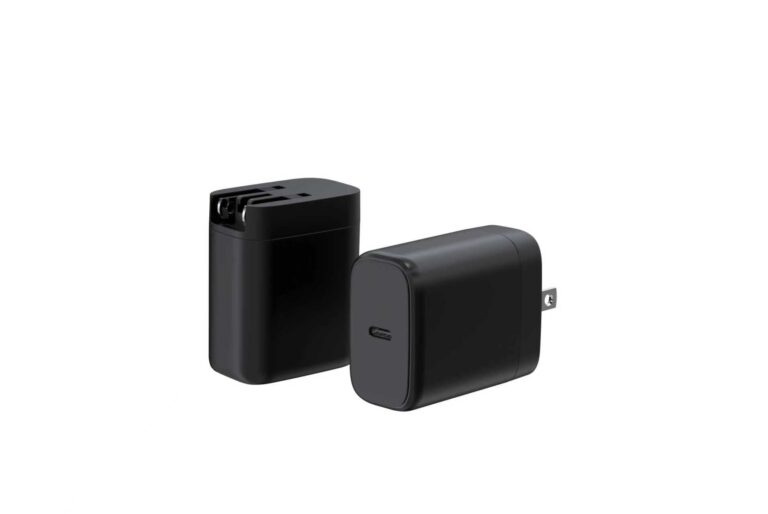
Medical power adapter manufacturing is a controlled process from design to batch testing, and the control points are what make the product defensible: the stages are documented, testing sits inside the production flow, batch records carry traceability, and change management keeps the shipped configuration aligned with the certificate. This guide walks through the manufacturing stages, where testing sits in the flow, how batch records and traceability work, change management after volume, and what buyers should tour and review.
Key takeaways
- Manufacturing control, not just design, is what makes a power adapter defensible.
- Testing sits inside the production flow, with records for every batch.
- Change management after volume keeps the certificate aligned with the shipped configuration.
Content updated: August 2026 — confirm current standards editions and model-specific details before ordering.
Scope note: Manufacturing descriptions in this guide are based on publicly documented industry practice and the factory’s published quality flow; confirm specifics per configuration.
The Manufacturing Stages in Brief
A power adapter moves through stages that are familiar to any electronics manufacturer: incoming material, PCBA assembly, electrical testing, aging, final inspection and packaging. Each stage has an input, an output and a record, and the record is what makes the process auditable.
The stages are not a linear checklist; they are a controlled chain. A component substitution at incoming, a solder change at assembly or a test limit change at electrical testing all ripple through the later stages, which is why change control runs through the whole chain rather than sitting at the end.
For buyers, the stage map is the tour guide: the factory visit walks the same order, and the records at each stage are the evidence. A factory that can show the stage flow and its records is running a controlled process; one that can describe it without records is running a presentation.
The stage map also explains the cost structure. Each controlled stage adds labor, equipment and record-keeping, and the sum is part of the product’s cost — which is why a heavily tested, documented configuration carries a different price than a lightly controlled one. Buyers who understand the map can read the quote: the price difference is the control difference.
The stage map is also the common language between the buyer and the factory. When a field issue or a change appears, both sides refer to the same stages, and the conversation is about a specific point in the chain rather than a vague “production.” The map turns manufacturing from a black box into a reference.
Where Testing Sits in the Production Flow
Testing sits inside the flow, not after it. The published quality flow for a charger factory typically includes incoming and BOM checks, PCBA and ESD checks, electrical testing, hi-pot and aging tests, and appearance and outgoing checks. The position of each test matters: electrical testing before aging catches assembly faults early, and aging before final inspection exercises the unit before it ships.
Four details describe the testing reality: which tests run on every unit versus on samples, what the aging protocol covers and for how long, how failures are recorded and fed into correction, and what happens to a batch that fails. The buyer should hear all four with records attached.
The answers, with records, describe the real flow. A factory that tests every unit and records the results is running the discipline; one that tests samples and describes the rest is running a lighter process.
The testing position also affects the failure economics. A fault caught at electrical testing costs a rework; the same fault caught at final inspection costs a delay; a fault that ships costs a field issue. The earlier the test, the cheaper the failure, which is why the flow is designed with testing inside it rather than at the end.
The aging test deserves particular attention in a power adapter program. Aging exercises the unit under load for a defined period, which surfaces early-life failures that a functional check alone misses. The buyer should ask what the aging covers, how long it runs and what the records show, because aging is the test that protects the fleet from infant mortality.
Batch Records and Traceability
Batch records connect the design to the shipment. Each batch carries the records of what was tested, when and under what conditions, and the batch number on the shipment links back to those records. Traceability is built one batch at a time.
The traceability chain serves three moments: the reorder, the audit and the field issue. A reorder checks that the new batch matches the approved configuration; an audit asks what shipped and when; a field issue connects the affected units to their records. All three read from the same chain.
For buyers, the review habit is to sample the chain: take a batch number from a recent shipment and follow it through the records to the certificate. A factory that can produce the chain for a specific batch is running traceability; one that cannot is running a promise.
The traceability chain also includes the component level. The batch record names the component lots that went into the units, and the chain can be followed upstream when a component issue appears. A factory that can trace to components has a deeper chain than one that stops at the assembled unit.
Traceability has a cost, and the cost is part of the program. Every record is created, stored and retrieved on demand, and the discipline is paid for in every order. Buyers who value the chain should expect it in the quote, and factories that maintain it are running the program the quote describes.
Change Management After Volume
Change management is the process that keeps the certificate aligned with the shipped configuration after production starts. Any change — a component, a test limit, a layout detail — triggers a documented review of whether the certificate and test coverage still apply.
The change process has four parts: the change is proposed, reviewed for impact, approved by the owner and recorded in the change log. Each part is dated and versioned, so the file shows what was current when. The change log is the program’s memory.
For buyers, the change conversation is part of the contract. The supplier and the buyer agree which changes require notification, which require re-certification and who owns the decision. A change process written into the contract is a process that runs; one left to memory is a risk that surfaces later.
The change log also serves the reorder review. When a reorder arrives, the buyer checks whether any change was logged since the last order and whether the certificate still covers the current configuration. The log turns the reorder question from “did anything change?” into “here is what changed, and here is the review.”
Change management is also a supplier signal. A factory that proposes changes proactively, with the impact analysis attached, is running the process; one that lets changes slide through production without notice is running a risk. The signal is visible before the order, in how the factory answers the change question.
What Buyers Should Tour and Review
The factory tour and the document review are two halves of the same evaluation:
| Tour | Review |
|---|---|
| Incoming inspection area | Incoming records and BOM checks |
| Production line | Electrical testing position and limits |
| Aging area | Aging coverage and duration |
| Final inspection | Outgoing checks and packaging |
| Warehouse | Batch segregation and traceability |
The tour verifies the flow in practice; the review verifies the records. A tour without the review confirms the factory exists; the review confirms the process runs.
The tour should also include the failure story. Where are failed units kept, how are they reviewed and what happens after correction? The failure process reveals the system’s real shape better than the success story, and the tour that includes it is the tour that learns the factory.
The review closes with a written record. The tour notes, the document set and the answers to the testing questions are filed, and the file becomes the evaluation evidence for the sourcing decision. The evaluation is only as good as its record, and the record is what the program retains.
The manufacturing picture starts with the WECENT homepage and the company’s Factory page, which describe the manufacturing and quality context; the Quality Control page documents the production test flow and records. To tour and review a configuration, request the document set from WECENT’s project engineering team — the review returns the certificates, test flow description and batch record approach for the program.
Frequently Asked Questions
What testing should a medical power adapter factory have?
Incoming and BOM checks, PCBA and ESD checks, electrical testing, hi-pot and aging tests, and appearance and outgoing checks, with records for every batch. The specific flow is confirmed per configuration.
How do I verify batch traceability?
Take a batch number from a recent shipment and follow it through the records to the certificate. The chain — batch record, test results, configuration — is the traceability.
What happens if the configuration changes after volume?
The change process should trigger a documented review of the certificate and test coverage before the change ships. The change log records what changed, when and who approved it.
Should I visit the factory before a healthcare-adjacent order?
For a healthcare-adjacent program, a site visit or detailed remote audit is worth the investment, because the production flow and test equipment are verified in practice.
What should the factory tour focus on?
The position of testing in the flow, the aging coverage, the final inspection and the batch segregation in the warehouse — and the records that match each stage.
Sources
- WECENT – Factory
- WECENT – Quality Control
- WECENT – FAQ
- WECENT – Contact Us
- International Electrotechnical Commission – IEC 60601 Standards
- European Commission – Medical Devices
This article is part of Medical Power Supplies, the guide that covers this topic in decision order.