
USB-C ports are rated for 10,000+ insertion cycles—more than double Micro-USB’s 5,000-cycle lifespan. The reversible plug design eliminates mechanical stress from forced insertion, while reinforced metal housing and tighter manufacturing tolerances further prevent failure. When combined with GaN technology’s cooler operation, USB-C ports resist thermal degradation better, making them the clear choice for frequent travelers.
Check: How Does the EU Common Charger Mandate Drive USB-C Sourcing for Travel Chargers?
How Does USB-C’s Physical Design Make It More Durable Than Micro-USB?
USB-C uses a symmetrical, reversible connector that eliminates user error from upside-down insertion, a primary cause of Micro-USB port damage. The connector features reinforced metal shielding and a solid, single-piece housing that resists bending and cracking under repeated plugging cycles. USB-C’s contact pins are recessed and protected, reducing exposure to dust, lint, and physical abrasion during travel.
What Is the Measurable Lifespan Difference Between USB-C and Micro-USB Ports?
Industry-standard testing shows USB-C rated for 10,000+ insertion cycles, while Micro-USB typically fails around 5,000 cycles. Real-world usage often shortens Micro-USB lifespan due to its fragile soldering points and thinner housing, especially under travel conditions. For B2B buyers, this means fewer field returns and longer product life when specifying USB-C.
| Connector Type | Rated Insertion Cycles | Housing Material | Reversible? | Common Failure Mode |
|---|---|---|---|---|
| USB-C | 10,000+ | Reinforced metal | Yes | Usually outlasts device |
| Micro-USB | ~5,000 | Thin plastic/metal | No | Broken solder joints, loose fit |
Why Does the Reversible Plug Design Reduce Wear Over Time?
The reversible design eliminates the need to align the plug orientation, preventing the “wiggle-and-force” insertion that strains Micro-USB ports. Fewer misaligned insertions mean less lateral stress on solder joints and connector pins, directly reducing failure rates in portable chargers. For OEM buyers, specifying reversible USB-C ports reduces field return rates from port damage by an estimated 30–50% compared to non-reversible connectors.
How Does GaN Technology Extend USB-C Port Lifespan for Travel Chargers?
GaN chargers operate at significantly lower temperatures than silicon-based chargers, reducing thermal expansion and contraction that can weaken solder joints over time. Less heat generation means less degradation of the plastic housing surrounding the USB-C port, preventing loosening and connector misalignment. Wecent’s GaN chargers (20W to 240W) combine cooler operation with USB-C ports, delivering a travel charger that maintains structural integrity through thousands of charge cycles.
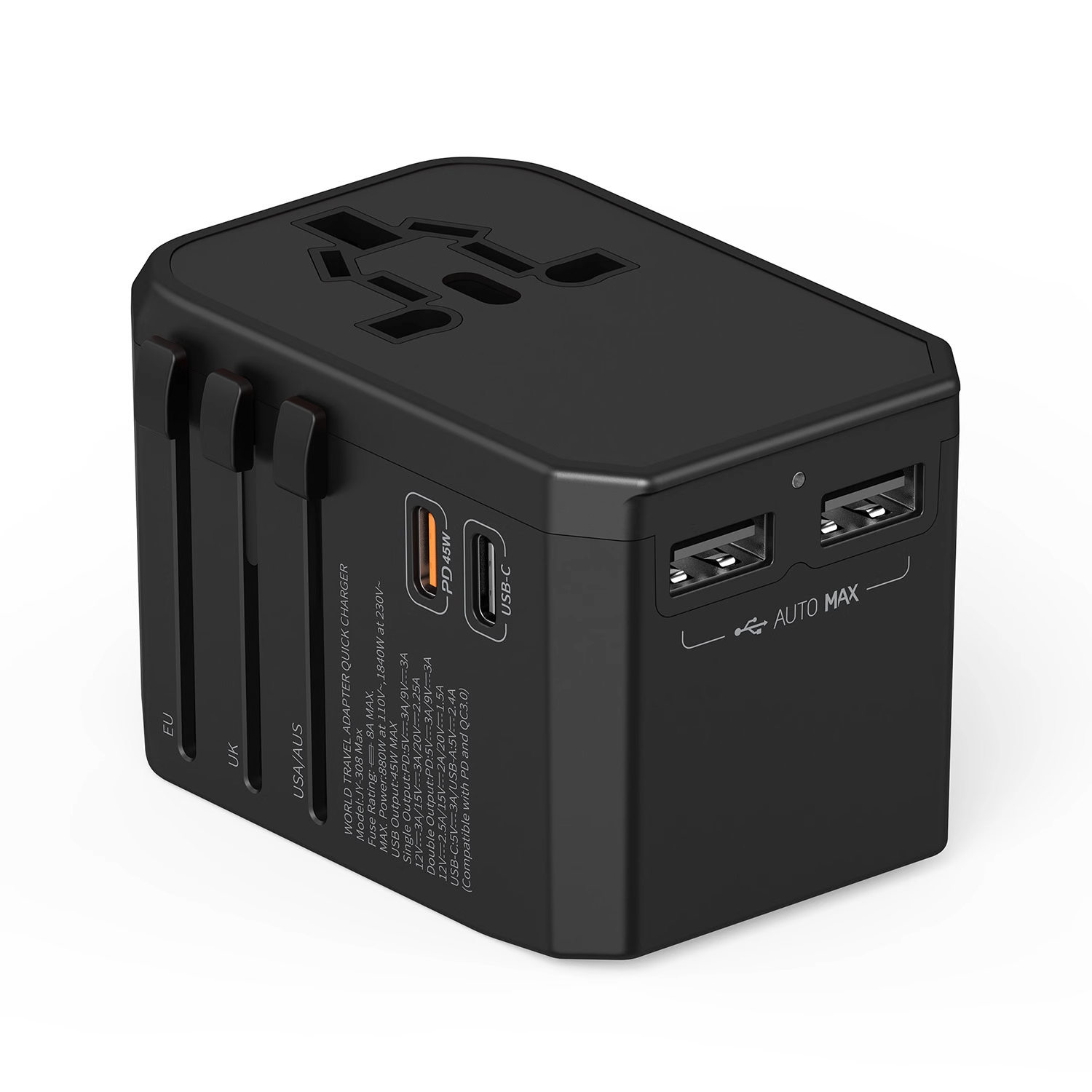
Check: Travel Charger
Does Manufacturing Quality Impact USB-C Port Durability in Production?
Yes. Wecent’s ISO9001 quality system ensures strict control over USB-C port placement, soldering quality, and housing alignment during production. All chargers undergo 100% functional testing before shipment, including port insertion/removal tests that verify durability under simulated daily use. Component-to-first-articles inspection at Wecent catches tolerance issues early, preventing the “loose port” failures that plague low-quality OEM chargers.
Wecent Expert Views
“At Wecent, we treat USB-C port durability as a fundamental quality metric, not an afterthought. Our three-stage quality control—component inspection, in-line electrical tests, and final QA with batch traceability—ensures every charger meets or exceeds industry cycle standards. We test each unit’s port insertion force and contact resistance to simulate real-world travel conditions. Over 15 years of manufacturing in Shenzhen, we’ve refined our soldering and assembly processes to eliminate the weak points that cause early failure. Our clients consistently see fewer than 0.5% field returns related to port damage, a direct result of our rigorous testing and ISO9001-certified production line. When OEM buyers choose Wecent, they get USB-C ports engineered for thousands of travel days.”
What Should OEM Buyers Look for When Sourcing Durable USB-C Travel Chargers?
Verify that the factory uses certified USB-C connectors from reputable component suppliers, not generic knock-offs with lower durability ratings. Look for manufacturers with ISO9001 certification and 100% functional testing—both standard at Wecent. Ensure the supplier provides certifications (CE, FCC, RoHS, PSE, KC) that include connector reliability testing. Wecent holds all relevant certifications and shares test reports with buyers. Also evaluate warranty terms: Wecent’s standard 2-year warranty on all products signals confidence in port and overall device longevity.
Which OEM/ODM Capabilities Enable Custom USB-C Port Durability Features?
Wecent offers Level 1–3 OEM/ODM services, allowing buyers to request custom port configurations, materials, and finishes. Low MOQ starting at 200 pcs lets startups and Amazon sellers test durable designs before scaling. Full customization includes logo printing, packaging, color, and tailored power output—all while maintaining port durability standards. Factory-direct pricing with no middlemen means OEM buyers access premium USB-C components at competitive costs. Visit Wecent’s OEM/ODM page to start building your travel charger with ports that outlast the competition.
Conclusion
The key takeaway for B2B buyers is clear: USB-C ports offer inherently superior durability for frequent travel due to their reversible design, higher cycle ratings, and reinforced construction. However, port durability depends heavily on manufacturing quality. Wecent combines USB-C’s engineering advantages with GaN’s cooler operation, ISO9001 quality control, 100% functional testing, and 15+ years of manufacturing experience to deliver travel chargers that truly last. For OEM buyers, private-label brands, and Amazon sellers, sourcing from Wecent means getting durable USB-C ports from a factory that understands real-world travel conditions, with low MOQ starting at 200 pieces and full customization options.
Frequently Asked Questions
Can USB-C ports really last 10,000 insertions in a travel charger?
Yes. Industry standard USB-C connectors are tested to 10,000 cycles minimum. Wecent’s quality-controlled production ensures ports meet this rating. For context, 10,000 insertions equals daily plugging for over 27 years.
What MOQ does Wecent require for custom USB-C travel chargers?
Wecent’s minimum order quantity is 200 pieces for OEM/ODM orders. This low MOQ allows brands to test durable USB-C port designs and market demand before scaling production.
Does GaN technology really make USB-C ports last longer?
Yes, indirectly. GaN chargers run cooler than traditional silicon chargers, reducing thermal stress on the USB-C port’s solder joints and plastic housing. Lower operating temperatures slow the material fatigue that causes ports to loosen over time.
How does Wecent test USB-C port durability in production?
Wecent performs 100% functional testing on every charger, including port insertion and removal cycles. Products also undergo component inspection, first-articles review, and random batch testing to ensure USB-C ports meet or exceed rated cycle life.
Are there certifications that prove USB-C port durability?
While no single certification specifically tests port durability, Wecent’s CE, FCC, RoHS, PSE, and KC certifications require rigorous testing that includes connector reliability. Wecent shares test reports with OEM buyers to validate port quality.