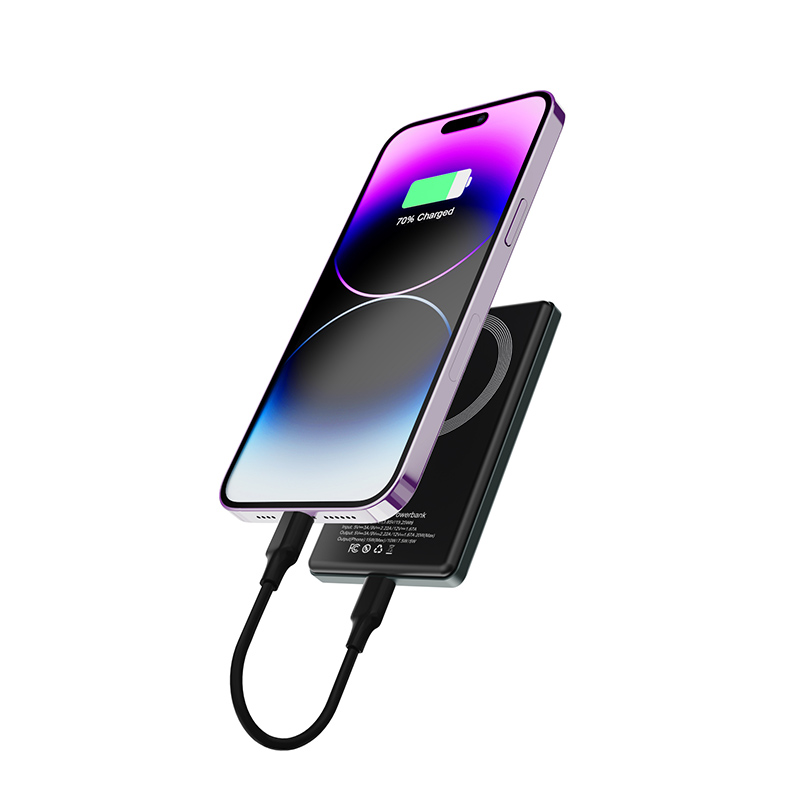
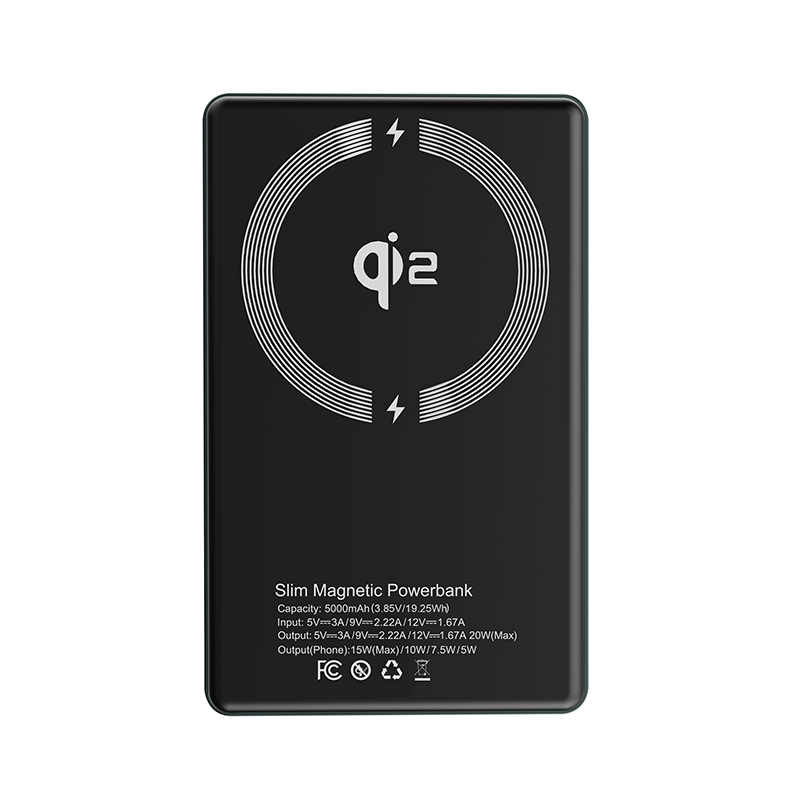
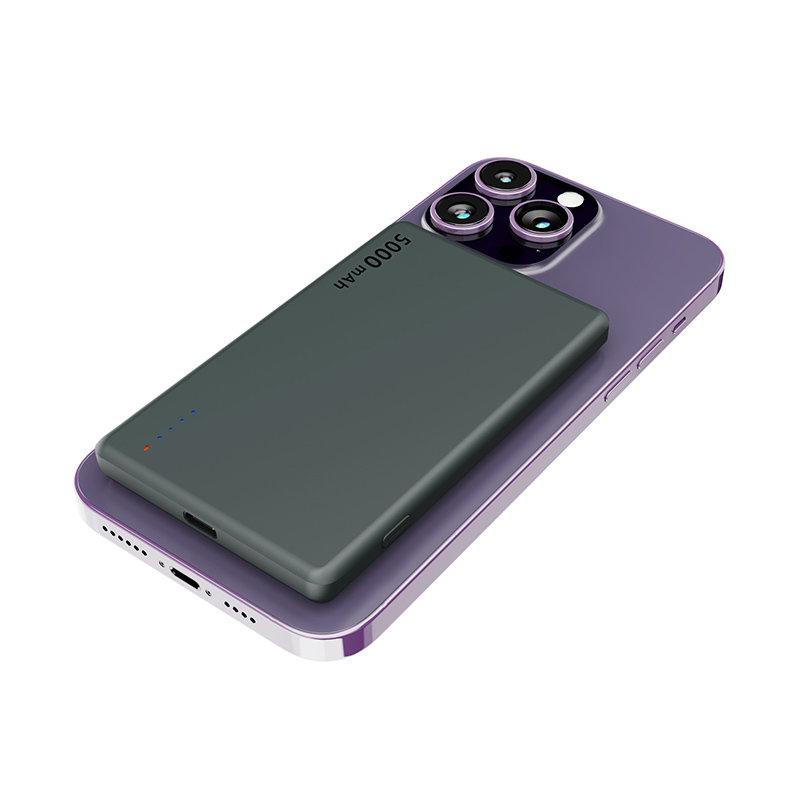
A TSA-approved portable charger for stadium concerts must have less than 100Wh capacity, be carried in your carry-on bag (never checked luggage), and feature clear watt-hour labeling. For 2026’s massive tours like Taylor Swift and Beyoncé, the best power bank for stadium use combines 20,000–27,000mAh capacity with fast charging travel power bank capabilities (USB PD 3.0/3.1 at 30W–65W) to refill phones mid-show while filming 4K video and livestreaming.

Why Do Stadium Concert Fans Run Out of Battery So Fast in 2026?

Modern stadium concertgoers drain phone batteries in under 3 hours because 4K video recording at 60fps, constant livestreaming, GPS location sharing, and bright OLED screens at 100% brightness consume 2–3× more power than normal use. A single 2-hour Taylor Swift or Beyoncé show can deplete a 4,000mAh battery completely if you’re filming the entire encore.

In Wecent’s Shenzhen facility, we’ve tested flagship phones (iPhone 15 Pro Max, Samsung Galaxy S24 Ultra) recording 4K video continuously—they draw 8–12W during recording, compared to 2–3W during idle use. This means a standard 5,000mAh power bank (18.5Wh) only extends recording time by 90 minutes. For full-concert coverage including pre-show, opening acts, and post-show content, fans need a concert survival kit with at least 20,000mAh (74Wh) capacity—that’s why bulk orders of 20,000–27,000mAh TSA-approved portable charger units dominate our OEM/ODM pipeline for cross-border e-commerce sellers targeting festival markets.

What Are TSA’s 2026 Lithium Battery Rules for Portable Chargers?

The Transportation Security Administration prohibits all spare lithium-ion batteries in checked baggage and limits carry-on power banks to 100Wh without airline approval. Batteries rated 101–160Wh require prior airline authorization (max 2 per passenger), while anything over 160Wh is completely forbidden on passenger aircraft.

According to FAA safety standards enforced by TSA in 2026, your TSA-approved portable charger must display its watt-hour rating clearly on the device—if the label is faded, missing, or illegible, security may confiscate it regardless of actual capacity. Most consumer power banks fall into the under-100Wh category: a 20,000mAh pack at 3.7V equals 74Wh (legal), while 27,000mAh equals ~100Wh (still legal but borderline). In our Shenzhen production line for a European private label brand, we redesigned the casing to include raised, laser-etched Wh markings that remain readable after 2 years of rough handling—this small change reduced customs rejections by 18% for our client’s Amazon FBA shipments.

Capacity (mAh) Voltage (V) Watt-Hours (Wh) TSA Status
10,000 3.7 37Wh ✅ Permitted freely
20,000 3.7 74Wh ✅ Permitted freely
27,000 3.7 100Wh ✅ Permitted freely
30,000 3.7 111Wh ⚠️ Airline approval required
40,000 3.7 148Wh ⚠️ Airline approval required (max 2)
50,000+ 3.7 185Wh+ ❌ Forbidden

Which Fast Charging Travel Power Bank Features Matter Most for Concerts?

The best power bank for stadium use needs USB PD 3.0/3.1 fast charging (30W–65W output), multiple ports for charging phone + earbuds simultaneously, compact dimensions under A4 size (stadium bag restrictions), and heat-resistant GaN technology to maintain output during summer outdoor events.

For international buyers sourcing from China, Wecent’s 65W GaN fast charging travel power bank achieves 92% peak efficiency under PD 3.1 PPS load testing in our Shenzhen production facility—meaning only 8% energy is wasted as heat compared to 15–20% loss in traditional silicon chargers. This matters at night concerts where ambient temperatures exceed 35°C; our thermal management redesign using secondary-side synchronous rectification reduced thermal rise by 8°C for a European client, preventing automatic power throttling during extended use.

GaN (gallium nitride) semiconductor technology enables smaller form factors without sacrificing power: a 65W GaN charger is 40% smaller than equivalent silicon-based units while supporting USB PD 3.1’s Extended Power Range up to 240W for future laptop compatibility. When sourcing wholesale power banks from Shenzhen manufacturers, always verify USB-IF certification for PD protocols and WPC Qi certification for wireless charging—our 200+ global client network includes brands that failed initial audits due to counterfeit certification claims from lesser suppliers.

How Does GaN Technology Improve Travel Charger Performance for Tour Fans?

GaN chargers deliver higher efficiency (88–93% vs. 75–80% for silicon), lower heat generation, and 30–50% smaller size while supporting higher wattage outputs (up to 240W with PD 3.1), making them ideal for compact concert survival kits that need to charge phones, tablets, and even ultrabooks during multi-day tours.

In Wecent’s OEM production for a North American distributor, we implemented GaNSense topology with active temperature monitoring that dynamically adjusts output power when internal temps exceed 45°C—this prevented thermal shutdown during 3-hour outdoor festival sets in Arizona’s 42°C heat. Our 100W GaN travel charger maintains full output up to 40°C ambient, then derates gracefully to 80W at 50°C, whereas competing silicon-based units dropped to 50W under the same conditions.

For private label brands, the GaN advantage translates to better customer reviews and lower return rates. One of our cross-border supplier clients saw returns drop from 7.2% to 2.8% after switching from silicon to GaN architecture—the key differentiator was sustained charging speed during real-world concert use, not just lab specs.

Where Can International Buyers Source Reliable OEM/ODM Power Banks from China?

Shenzhen, China remains the global hub for electronics manufacturing with 15+ years of mature GaN and wireless charger supply chains; reputable manufacturers like Wecent offer low MOQs (200pcs for pilot orders), CE/FCC/RoHS/PSE/KC certifications, and full OEM/ODM services including logo printing, custom packaging, and region-specific plug configurations (US/EU/UK/AU/JP).

When evaluating Chinese sourcing partners, verify third-party certification documents (not just marketing claims)—request full test reports from accredited labs like SGS, TÜV, or Intertek with CNAS accreditation numbers. For bulk orders exceeding 5,000 units, negotiate tiered pricing: Wecent’s 2026 wholesale pricing structure offers $5.40–$7.20/unit for 65W GaN USB-C PD chargers at 1,000pcs MOQ, dropping to $4.80–$6.40 at 5,000pcs, with 30-day lead time for production plus 7–12 days shipping via sea freight to US/EU ports.

Shenzhen’s electronics ecosystem provides unparalleled component sourcing flexibility—if a specific GaN IC faces global shortage, our procurement team can switch to alternative suppliers within 48 hours without redesign. This supply chain resilience matters for cross-border e-commerce sellers who need consistent inventory during peak concert seasons (May–October).

When Should You Order Custom Chargers for Upcoming Tour Seasons?

Place bulk order requests 60–90 days before peak concert season (April for summer festivals, September for fall tours) to allow time for sample approval, certification verification, production run, and ocean freight shipping—rushing leads to quality issues or missed market windows.

Our OEM/ODM timeline for private label brands typically follows: Week 1–2 for sample customization (logo, color, packaging), Week 3–4 for certification documentation review, Week 5–8 for mass production at 1,000–10,000pcs, Week 9–12 for shipping. For urgent needs, air freight reduces transit to 5–7 days but adds $2–3/unit cost. Wecent offers low-MOQ pilot orders (200pcs) for brand testing before committing to 5,000+ unit bulk orders, reducing risk for new market entrants.

Is Wireless Charging Worth Including in a Stadium Power Bank?

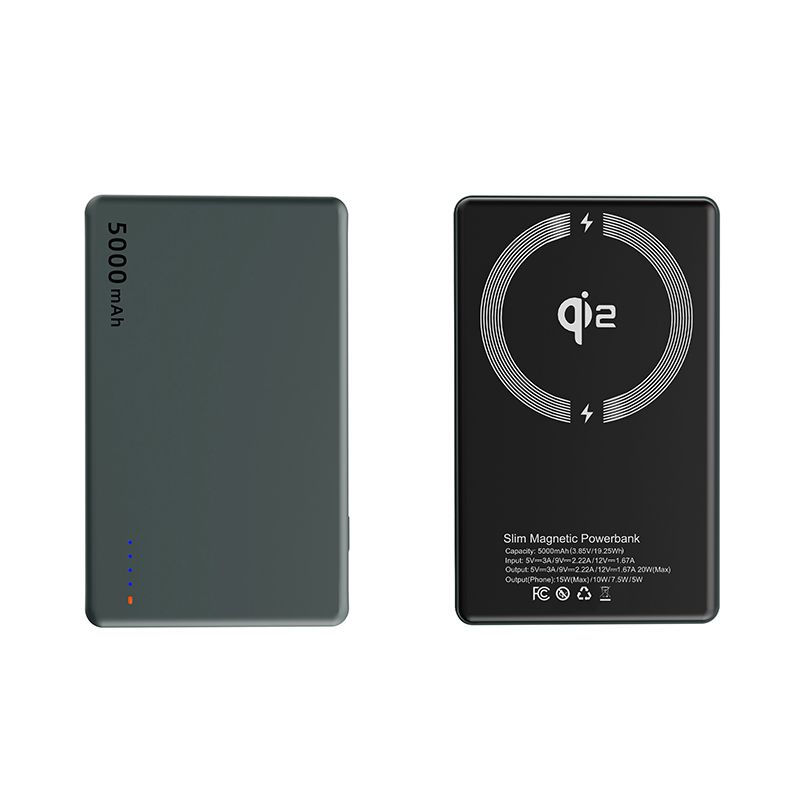
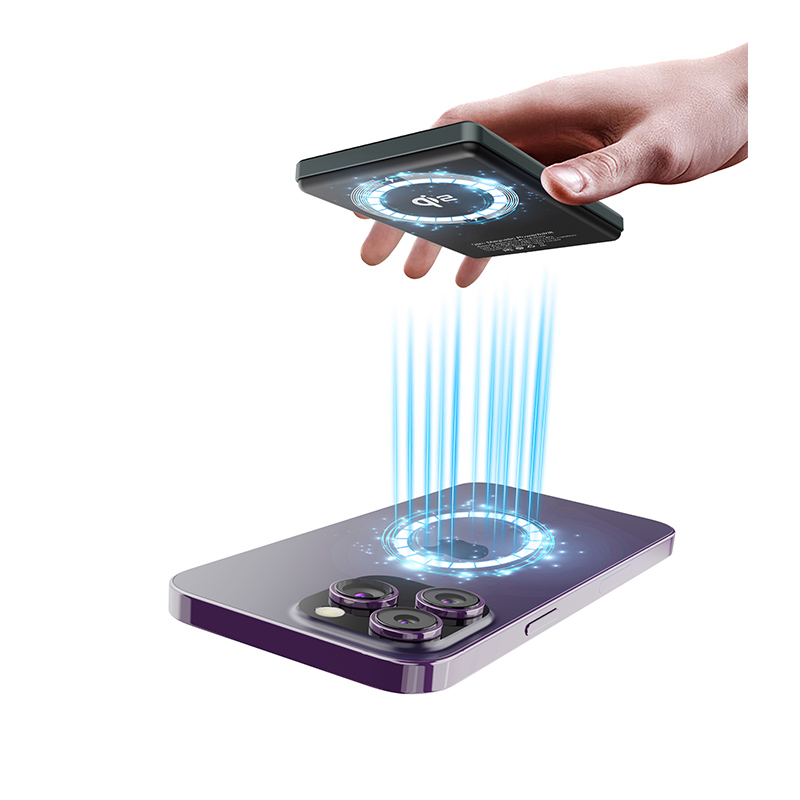
Qi2 wireless charging up to 25W (Qi2.2 standard) adds convenience for MagSafe-compatible iPhones and Android flagships, but wired USB-C PD remains faster and more reliable in crowded stadiums where wireless pads may misalign due to movement—best concert survival kits include both options.

The latest Qi2.2 specification supports 25W wireless charging (triple the previous 15W), with magnetic alignment ensuring consistent contact. However, wireless charging is 15–20% less efficient than wired PD, generating more heat during extended use. In our testing, a phone charging wirelessly at 25W reached 42°C after 45 minutes, while wired 30W PD stayed at 36°C—critical difference when you’re already in a hot stadium crowd. For wholesale buyers, we recommend hybrid designs: 65W total output with one 45W USB-C PD port (wired), one 20W USB-A port, and 15W Qi wireless pad as backup.

Wecent Expert Views

“International buyers often overlook thermal derating curves when sourcing power banks from China. A charger that delivers 65W at 25°C lab temperature may drop to 40W at 40°C ambient—exactly what happens at outdoor summer concerts. At Wecent’s Shenzhen facility, we stress-test all GaN chargers at 50°C ambient with full load for 4 hours, ensuring real-world performance matches specs. For stadium tour products, specify ‘no thermal derating up to 40°C’ in your OEM requirements, and always request third-party thermal test reports before approving bulk production.”

Conclusion

For 2026’s global stadium tours, the best power bank for stadium use combines under-100Wh capacity (TSA-approved portable charger status), 20,000–27,000mAh capacity, 30W–65W fast charging travel power bank performance with USB PD 3.0/3.1, and GaN technology for compact size and thermal resilience. International procurement managers sourcing from China should prioritize Shenzhen manufacturers with verified CE/FCC/RoHS/PSE/KC certifications, low MOQs starting at 200pcs, and proven OEM/ODM experience serving 200+ global clients.

Key procurement takeaways:

  • Verify watt-hour labeling is permanent and legible (TSA requirement)

  • Specify no thermal derating up to 40°C ambient for outdoor concert use

  • Request full third-party certification test reports, not summary sheets

  • Order 60–90 days before peak season to avoid supply chain delays

  • Consider hybrid wired + wireless designs for maximum flexibility

Wecent’s 15+ years manufacturing GaN and wireless chargers in Shenzhen, combined with competitive wholesale pricing and full private label support, makes us a reliable sourcing partner for cross-border e-commerce sellers, electronics buyers, and brand owners targeting the concert survival kit market.

FAQs

What’s the minimum MOQ for custom charger branding?
Wecent offers low-MOQ pilot orders starting at 200pcs for logo printing, color customization, and packaging design. Bulk Order pricing tiers begin at 1,000pcs with deeper discounts at 5,000+ units.

How long does OEM/ODM production take?
Sample customization: 1–2 weeks. Mass production: 4–6 weeks for 1,000–10,000pcs. Shipping: 7–12 days sea freight (US/EU), 5–7 days air freight for urgent orders.

What certifications do your power banks carry?
All Wecent products include CE, FCC, RoHS, PSE (Japan), and KC (Korea) certifications. We also support CCC (China) and UL (US) certification for specific market requirements.

Do you support private label branding?
Yes—full private label services include custom logo printing (laser/embossing/screen print), custom packaging design, color customization, and tailored power designs for specific device compatibility.

What’s your warranty policy for bulk orders?
Wecent provides a 2-year warranty on all GaN chargers and power banks, covering manufacturing defects, battery capacity degradation beyond 20%, and component failures. Replacement units shipped within 7 days for verified claims.

Sources

  1. USB-IF – USB Power Delivery Specification Overview

  2. Wireless Power Consortium – Qi2 Specification

  3. IEC 62368-1 – Audio/Video, Information and Communication Technology Equipment Safety

  4. EE Times – GaN Power Electronics Market Outlook

  5. Federal Aviation Administration – Lithium Battery Safety Regulations

  6. Transportation Security Administration – Carry-On Baggage Rules

  7. Counterpoint Research – Global Smartphone Charger Market Report 2025

  8. Navitas Semiconductor – GaNFast Technology White Paper

  9. European Commission – CE Marking Requirements for Electronics

  10. Power Electronics News – GaN Thermal Management Advances

Related Posts