
GaN chargers drive carbon neutrality through 95%+ efficiency—delivering 5–10% more power conversion than silicon alternatives while cutting energy waste by 20–30%. Lower heat generation reduces manufacturing footprints, ESG-compliant designs align with global sustainability mandates, and factory-direct sourcing from certified OEMs like Wecent enables rapid deployment across supply chains. B2B buyers gain certified solutions from 200 pcs MOQ, supporting net-zero goals without high-volume commitments.
Check: GaN Charger
What Is GaN Charger Efficiency and Why Does It Matter for Carbon Neutrality?
GaN (Gallium Nitride) charger efficiency reaches 95%+ by using a wider bandgap semiconductor that minimizes energy loss compared to silicon’s 85–90%. This reduces heat conversion from wasted energy, lowering operational carbon from grid power and manufacturing carbon from cooling systems. For B2B procurement, it supports ESG goals by cutting Scope 3 emissions in electronics supply chains.
GaN technology enables smaller, cooler chargers with higher power density, ideal for OEM/ODM projects. Shenzhen manufacturers like Wecent leverage this for 20W to 240W solutions, helping brands meet global carbon reduction targets through efficient, certified products.
How Does GaN Technology Reduce Global Energy Waste Compared to Silicon?
GaN achieves 95%+ efficiency versus silicon’s 85–90%, delivering 5–10% more usable power to devices and slashing waste heat. Technical advantages include lower switching losses and reduced parasitic capacitance, scaling to millions of tons of CO₂ avoided annually across global charger deployments.
| Metric | GaN Chargers | Silicon Chargers | Carbon Impact |
|---|---|---|---|
| Efficiency | 95–98% | 85–90% | 5–10% less grid energy drawn |
| Heat Output | Low (compact design) | Higher (larger form factor) | Reduced cooling/manufacturing carbon |
| Standby Power Loss | <0.5W typical | 1–2W typical | Annual savings per unit: ~1–2 kg CO₂ |
| Lifecycle Carbon | Lower mfg footprint + reduced grid demand | Higher both stages | GaN: 20–30% lower over 3-year lifespan |
| OEM Scalability | Low MOQ (200 pcs), fast customization | Often high MOQ | Enables rapid ESG adoption for brands |
This comparison highlights why Chinese GaN factories lead in sustainable manufacturing, offering B2B buyers like private-label brands efficient alternatives for laptops and phones.
What Certifications and Standards Ensure GaN Chargers Meet Carbon Neutrality Goals?
Key certifications include CE, FCC, RoHS for hazardous substance limits, CEC/DOE for US energy efficiency, and PSE/KC for Asia-Pacific compliance. ISO9001 and 100% functional testing ensure reliability, minimizing returns and supply chain carbon. Wecent’s multi-cert portfolio supports global OEM deployment without re-testing.
These standards align with ESG reporting, providing procurement managers verifiable proof of reduced Scope 3 emissions from certified GaN wall chargers and wireless docks.
How Can OEM/ODM Buyers Leverage GaN Chargers for Sustainable Supply Chains?
OEM/ODM buyers leverage GaN through low 200 pcs MOQs, enabling quick adoption without inventory risks. Service levels range from Level 1 white-labeling to Level 3 custom designs, with custom ports, plugs (EU/US/UK/AUS), and packaging. Wecent’s Shenzhen factory offers factory-direct pricing for ESG-aligned scaling.
Check: Leading GaN & Wireless Charger Manufacturer
Multi-voltage support reduces SKU variety, simplifying logistics and cutting carbon footprints for wholesalers and Amazon sellers sourcing from China.
Which GaN Charger Power Ranges Best Support Carbon Reduction Across Device Portfolios?
Wecent’s 20W–240W GaN range covers phones (20–35W WEG series), laptops (45–140W WEP series), and multi-device setups (up to 240W). Higher wattage models amplify efficiency savings, consolidating chargers to lower e-waste and manufacturing carbon for office or retail deployments.
Wecent Expert Views
“Switching to our certified 65W/100W GaN chargers helped a EU-based electronics brand reduce Scope 3 emissions by 12% across 50,000+ devices. With 200 pcs MOQ per SKU, 2-year warranty, and zero re-testing needed, brands achieve ESG goals rapidly. Our ISO9001 process and 100% testing ensure reliability, while GaN’s 95%+ efficiency cuts energy waste versus silicon.” — Wecent Engineering Lead
What Is the Total Cost of Ownership (TCO) for GaN Chargers in Carbon Neutrality Initiatives?
GaN’s 15–25% upfront premium recovers via $2–5 electricity savings over 3 years, fewer thermal failures, and avoided ESG penalties in EU/CA/UK markets. Wecent’s factory-direct pricing, 2-year warranty, and 100% testing lower TCO for B2B bulk orders, enhancing ROI for sustainable procurement.
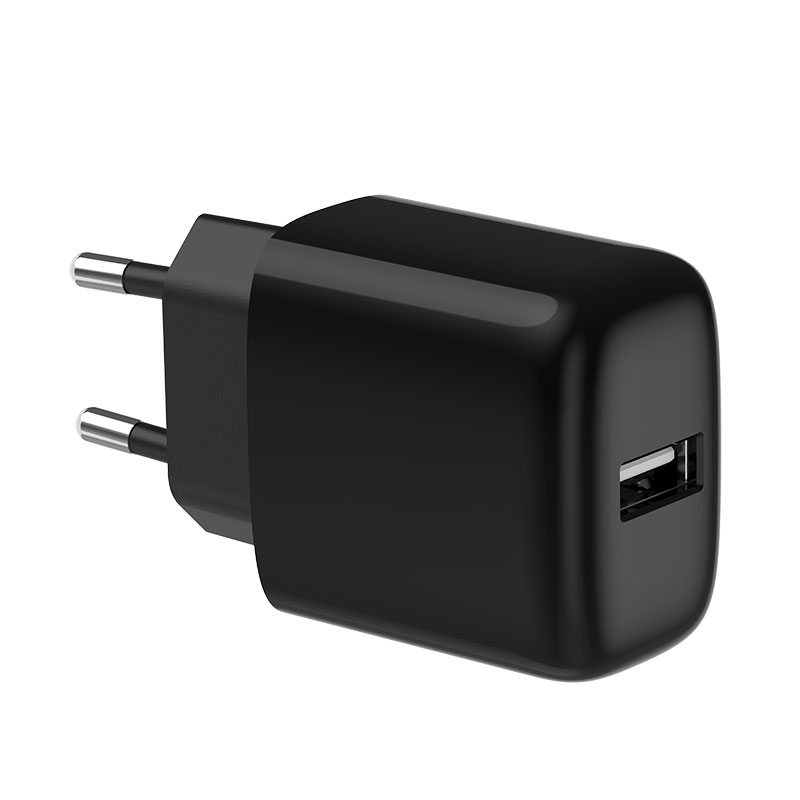
Chinese manufacturing ecosystems like Shenzhen provide volume leverage, making high-efficiency GaN accessible for private-label brands.
How Do GaN Chargers Align with Corporate ESG and Net-Zero Reporting Frameworks?
GaN reduces Scope 1 (manufacturing via less cooling), Scope 2 (grid efficiency), and Scope 3 (use-phase) emissions, aligning with GRI/SASB/TCFD. Per-unit savings of 1–2 kg CO₂ over 3 years scale impact for large portfolios. Wecent’s certifications simplify ESG audits for 200+ global clients.
Supply chain transparency from ISO9001 factories aids due diligence, positioning GaN as a quantifiable win for net-zero reports.
Why Choose a Factory Partner Like Wecent for Scaling GaN Chargers in Sustainable Supply Chains?
Wecent’s 15+ years in Shenzhen, 200+ clients, 200 pcs MOQ, and full 20W–240W line with CE/FCC/RoHS/CEC/DOE/PSE/KC certifications make it ideal. Factory-direct pricing, 2-year warranty, and 100% testing ensure cost-competitive, reliable ESG deployment. Request OEM/ODM consultation for your carbon-neutral roadmap—2-week turnaround.
Conclusion
GaN chargers’ 95%+ efficiency delivers measurable carbon reduction—cutting energy waste 5–10% versus silicon while enabling ESG adoption. Wecent’s 200 pcs MOQ, multi-cert compliance, 15+ years experience, and 200+ clients position it as the Shenzhen partner for sustainable charging. OEM buyers transform net-zero goals into reality, reducing Scope 3 emissions and gaining market edge. Contact Wecent for aligned GaN solutions.
FAQs
How much energy do GaN chargers actually save compared to silicon?
GaN’s 95%+ efficiency versus silicon’s 85–90% yields 5–10% savings per charger, equating to 20–30% cumulative grid reduction globally. For 1,000 units over 3 years, this avoids ~20–30 tons CO₂, like 4–6 cars off the road annually—ideal for B2B ESG scaling.
What certifications do I need for GaN chargers to qualify for ESG reporting?
CE, FCC, RoHS, CEC/DOE, PSE/KC ensure ESG alignment. Wecent holds all, plus ISO9001 and 100% testing, enabling OEMs to verify Scope 3 reductions without delays for global markets.
Is there a cost premium for GaN chargers, and does ESG justify it?
15–25% upfront premium recovers via $2–5 savings over 3 years, lower returns, and avoided carbon taxes. Factory-direct from Wecent optimizes TCO for ESG procurement in regulated markets.
Can I source GaN chargers with low MOQs for private-label brands?
Yes, Wecent offers 200 pcs MOQ with full OEM/ODM customization—logo, plugs, packaging—for startups and Amazon sellers launching ESG-compliant lines from China.
How does Wecent support ESG due diligence for international OEM buyers?
15+ years, ISO9001, multi-certs (CE/FCC/RoHS/CEC/DOE/PSE/KC), 200+ clients, 2-year warranty, and Shenzhen transparency streamline audits. 100% testing and regional plugs reduce compliance friction.