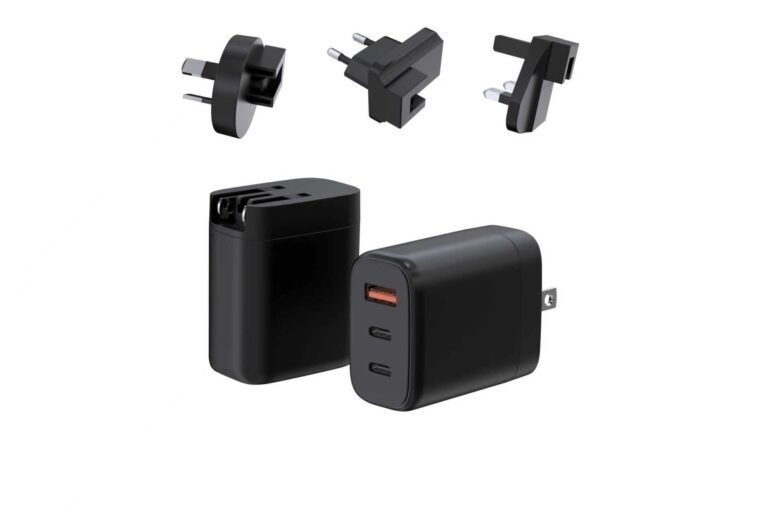
The wholesale GaN charger purchase is the direct-from-China decision: the factory price, the minimums, the lead time, the quality and the certification, bought without the middleman's markup. This page is the wholesale GaN guide for buyers — the tier structure, the price negotiation, the quality verification and the reorder discipline that make the direct purchase profitable.
The Wholesale Tier Structure
The wholesale GaN line should be built from the demand tiers, not the factory's catalog: the entry tier at 20–30W for the phone customer, the workhorse tier at 45–65W for the ultrabook majority, the premium tier at 100W for the full-size laptop and the high-power tier at 140W-plus for the premium class. Each tier has a price anchor and a margin job — the entry sets the price, the workhorse carries the volume and the premium carries the margin — and the tier structure is the negotiation framework with the factory. The wholesale buyer who builds the line from the tiers buys a portfolio; the one who buys the catalog buys a warehouse.
The Price Structure and Negotiation
The wholesale price negotiation has four layers: the ex-works or FOB price, the landed cost after the freight and the duties, the wholesale price to the channel and the suggested retail. The negotiation should be built from the landed cost, not the FOB number, because the freight and the duties can change the margin more than the unit price. The volume breaks should be explicit tiers — the quantity that triggers the price drop and the commitment it requires — and the terms should be written with the lead time, the incoterm and the quality process. The direct-from-China advantage is real, and it is protected by the price structure.
The Quality Verification
The wholesale quality story is the same as any charger line: the batch QC records with each shipment, the certificate file per market and the spot checks against the verified platform. The wholesale buyer should request the evidence with the quotation — the certificate file, the test reports and the batch record template — because the direct purchase removes the middleman's quality buffer, and the buyer's verification is the buffer now. The quality verification is also the reorder discipline: every shipment checked against the baseline, and the change log reviewed for the silent component changes.
The Factory Evaluation for Wholesale
The wholesale factory evaluation covers the same ground as any supplier audit: the factory-versus-trader question, the test infrastructure, the certificate file, the change control and the claims process. The wholesale buyer should run the evaluation with the same script every time — the documents ahead, the floor visit or the video audit and the scorecard — because the direct purchase is only profitable if the factory is real. The evaluation is the wholesale relationship's foundation, and the foundation is the certificate file and the batch records.
The Reorder Discipline
The wholesale line runs on the reorder triggers: the reorder point per SKU from the velocity and the lead time, the seasonal plan around the peaks and the quarterly review of the tier structure. The discipline has the standard rules — never fill a container with a slow SKU, always fast-path the fast SKUs and review the structure when the demand shifts — and the wholesale buyer who runs the discipline protects the margin that the direct purchase created. The reorder cycle is also the relationship's test: the factory that performs on the reorders is the partner worth growing, and the scorecard is the growth's record.
The Channel and Customer Fit
The wholesale line's channel fit follows the tiers: the marketplace and the online channel take the workhorse and the premium tiers with the matrix and the certificates, the retail channel takes the entry and the workhorse with the packaging and the price, and the corporate and gift channels take the branded or the bulk versions. The buyer should name the channel per tier and the pricing per channel, because the same GaN charger serves different customers with different stories. The channel plan should also include the listing and the shelf requirements — the matrix, the certificates and the cable note — because the wholesale tiers' channels all ask for the evidence.
The Seasonal and Demand Planning
The wholesale GaN line follows the seasonal pattern: the back-to-school and the holiday peaks drive the workhorse and the premium tiers, the corporate refresh cycles drive the bulk orders and the new-device launches drive the entry tier. The buyer should plan the base volume for the peaks with the sea freight lead time and keep the air-freight buffer for the forecast gap, because the direct purchase's margin is protected by the demand plan, not by the freight emergency. The seasonal plan is the reorder trigger's calendar, and the buyer who plans the calendar buys the volume at the trough and sells it at the peak.
The Wholesale Relationship
The wholesale relationship runs on the playbook: the quarterly business review, the price and the mix review, the lead-time and the capacity check, the quality and the return review and the new-model pipeline. The playbook turns the purchase order into a relationship with a schedule, and it is what the direct-from-China advantage is built on — the price is the entry, and the relationship is the margin. The buyer who runs the playbook grows the supply base; the one who orders and disappears starts the negotiation from zero every time. The playbook also protects the buyer when the factory side changes personnel, because the relationship's history — the price tiers, the batch records and the quality reviews — is in the records rather than in the memory of the last conversation.
The Incoterm and Logistics Decision
The wholesale purchase's logistics are decided by the incoterm: the ex-works terms put the carriage on the buyer, the delivered terms put it on the factory, and the choice decides who owns the risk and the customs process at each point. The wholesale buyer should decide the incoterm with the freight model — the sea freight for the base forecast, the air for the reorder gap — and the certificate file should travel with the goods, because the customs hold for a missing certificate is a cost that no freight quote includes.
Bottom Line
The wholesale GaN charger purchase is the direct-from-China portfolio: build the tier structure, negotiate from the landed cost, verify the quality with the evidence and run the reorder discipline. The direct purchase's advantage is the price, and the price is protected by the structure, the verification and the discipline.
The Wholesale Product Page and the Evidence
The wholesale buyer sells the line through the channel's pages, and the pages should publish the evidence the direct purchase verified: the PDO table, the compatibility matrix, the certificate file and the batch records. The wholesale page that publishes the evidence wins the channel's comparison against the brands that hide it, and the evidence is also the channel's trust — the retailer, the marketplace and the corporate buyer all ask for the documents, and the wholesale line that carries them sells without the middleman's salesmanship. The evidence is the direct purchase's second advantage: the price brings the buyer in, and the evidence closes the sale.
The First-Order Checklist
The first wholesale order should be run like a pilot: one anchor SKU, the inspection against the verified baseline, the batch records and the certificate file with the shipment, and the claims process tested on paper. The first order answers the questions the evaluation cannot — whether the production matches the platform, whether the records accompany the goods with real values and whether the factory responds to a finding as a partner. The wholesale buyer who runs the first order as the pilot builds the relationship on the evidence; the one who orders the container on the quote builds it on the hope.
For a wholesale GaN quotation with the tier structure, the certificate file and the batch record template, contact Wecent through the contact page, or start from the products collection to shortlist the tiers.
Frequently Asked Questions
What is the minimum order for wholesale GaN chargers?
The MOQ depends on the model and the tier; the quote should state the MOQ per SKU and the volume breaks, because the wholesale structure is built from the tiers, not from a generic minimum.
How do we know the factory is not a trading company?
Ask for the production and test details only a factory holds — the line evidence, the test stations and the batch records — and verify the certificate file against the model numbers; the document check with the same questions for every candidate reveals the difference.
What should the first wholesale order include?
The first order should be a pilot-sized batch of the anchor SKU with the inspection, the batch records and the certificate file, because the wholesale relationship is built on the first order's verification.
Who handles the customs clearance?
The incoterm decides: under the delivered terms the factory manages the carriage, and under the ex-works terms the buyer owns the process; the certificate file should be provided with the shipment either way.
How often should the wholesale line be reviewed?
Quarterly against the sell-through and the tier structure, and at the seasonal peaks against the plan; the reorder triggers and the review are the same discipline on different calendars.
This article is part of GaN Charger Manufacturing & Sourcing, the guide that covers this topic in decision order.