
PPS (Programmable Power Supply) is a USB Power Delivery protocol that dynamically adjusts voltage and current in real-time, optimizing charging efficiency for individual devices. Unlike fixed-output chargers, PPS delivers precisely the power each device requires, reducing heat generation, extending battery lifespan, and accelerating charging speeds—particularly on Android flagship phones like Samsung Galaxy and Google Pixel. This intelligent power management makes PPS the emerging standard for premium mobile device charging.
Check: Leading GaN & Wireless Charger Manufacturer
What Is PPS Charging and How Does It Differ From Standard Charging?
PPS charging is a USB Power Delivery protocol that enables programmable real-time voltage and current adjustment, unlike fixed-output adapters in standard charging. The charger and device perform a continuous handshake, with the device communicating exact power needs and the charger responding dynamically. This eliminates over-voltage or under-voltage issues that degrade battery chemistry and generate excess heat, ensuring optimal performance for B2B-sourced chargers.
How Does Dynamic Voltage Adjustment Work in PPS Chargers?
Dynamic voltage adjustment in PPS chargers operates through real-time signaling where the device requests specific power levels, and the charger adjusts output voltage from 5V to 20V in 100mV increments within milliseconds. This continuous optimization minimizes heat by matching exact device requirements, reducing stress on battery cells and components. For OEM buyers, this translates to efficient GaN chargers that maintain cool operation during high-demand use.
What Are the Key Benefits of PPS Fast Charging for Android Devices?
Key benefits of PPS fast charging for Android devices include 25–65% faster charging on flagships like Samsung Galaxy S-series and Google Pixel compared to standard 5V/2A chargers. It extends battery lifespan by 15–20% via reduced heat stress, ensures universal compatibility across Android ecosystems, boosts energy efficiency to meet DOE and EU regulations, and provides stable charging without voltage spikes for enhanced safety.
How Does PPS Compare to Traditional PD (Power Delivery) Charging?
| Feature | PPS (Programmable Power Supply) | PD (Power Delivery) |
|---|---|---|
| Voltage Adjustment | Dynamic, real-time (5V–20V in 100mV increments) | Fixed voltage steps (5V, 9V, 15V, 20V) |
| Charging Speed | Faster on compatible devices; optimized per device | Standard fast charging; one-size-fits-all approach |
| Thermal Efficiency | Superior; continuous optimization reduces heat | Good; fixed levels may generate excess heat |
| Device Compatibility | Android flagships (Samsung, Google Pixel); growing adoption | Broader legacy device support; universal standard |
| Future-Proofing | Emerging standard for next-gen Android ecosystem | Established; likely to remain alongside PPS |
| Cost | Slightly higher chipset cost; compensated by efficiency | Lower component cost; standard for mid-range chargers |
PPS evolves beyond traditional PD by offering granular control, making it ideal for premium Android chargers sourced via OEM/ODM from factories like Wecent in Shenzhen.
Check: PPS Fast Charging Benefits
Why Is PPS Becoming the Future Standard for Android Charging?
PPS is becoming the future standard for Android charging due to widespread adoption by Samsung Galaxy S-series, Google Pixel, and flagship OEMs mandating it for premium positioning. Regulatory pressures like EU EuP 2025+ and DOE standards favor its efficiency, while modern battery chemistries benefit from precise thermal control. Consumer demand for battery health and industry convergence on USB-IF dynamic protocols solidify its role.
What Should OEM/ODM Buyers and Importers Know About PPS GaN Chargers?
Wecent Expert Views:
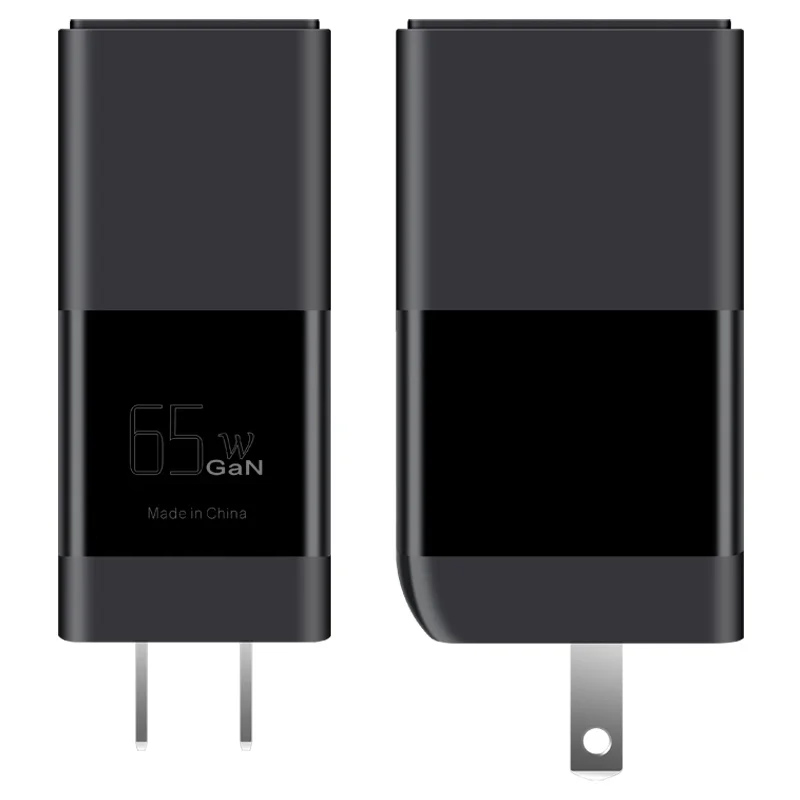
“As a Shenzhen-based GaN charger manufacturer with 15+ years of experience and 200+ global clients, Wecent integrates PPS into our 20W–240W chargers across wall, desktop, and travel models. Our low 200 pcs MOQ, multi-protocol support (PD 3.0, QC 4.0+), and certifications like CE, FCC, RoHS, CEC, DOE enable importers to launch premium Android-compatible SKUs quickly. Every unit undergoes 100% functional testing with a 2-year warranty, ensuring supply chain reliability for private-label brands and Amazon sellers.”
OEM/ODM buyers should prioritize factories like Wecent for PPS GaN chargers offering regional plugs (EU, US, UK, AUS), ISO9001 quality systems, and scalable production from pilot runs.
How Can Brands Leverage PPS Chargers in Their Product Strategy?
Brands can leverage PPS chargers by positioning them as premium SKUs for Android flagship users, justifying higher margins through faster speeds and battery protection. Target Galaxy and Pixel segments with data-driven marketing, ensure compliance for EU/Asia entry via certified suppliers like Wecent, and scale private-label lines using low-MOQ OEM to test demand before high-volume commitments.
What Are Common Misconceptions About PPS Charging?
Common misconceptions include believing PPS works only with premium phones—reality: it benefits any compatible Android with adaptive management, including mid-range models. PPS chargers are not significantly more expensive; GaN efficiency offsets costs for better TCO. Not all USB-C chargers support PPS; it requires specific protocol negotiation beyond legacy PD.
Conclusion
PPS fast charging shifts Android power delivery to intelligent, real-time optimization, delivering faster speeds, longer battery life, and superior efficiency for OEM products. Shenzhen manufacturers like Wecent, with 15+ years expertise, 200+ clients, low 200 pcs MOQ, full certifications (CE, FCC, RoHS, PSE, KC), and 100% testing, empower B2B buyers to source reliable PPS GaN chargers globally. This positions brands for regulatory compliance and market growth in premium segments.
For informational readers, explore Wecent’s 20W–240W PPS-enabled GaN charger catalog at gdwecent.com/product-category/gan-charger/. For B2B procurement teams, launch your custom Android PPS charger in 8–12 weeks—request a no-obligation OEM/ODM quote with 200 pcs MOQ at gdwecent.com/oem-odm/.
Frequently Asked Questions
Can I use a PPS charger with non-PPS devices?
Yes, PPS chargers are backward-compatible with traditional USB PD and legacy devices, automatically defaulting to standard protocols. PPS speed benefits activate only on compatible devices, making them versatile for diverse Android inventories sourced from Chinese OEM factories.
What’s the cost difference between PPS and traditional PD chargers?
PPS chargers cost 10–20% more retail due to advanced chipsets, but factory-direct pricing from Wecent with 200 pcs MOQ makes them competitive for OEM/ODM. Efficiency gains lower lifecycle costs, ideal for importers and private-label scaling.
Which Android devices support PPS fast charging?
Samsung Galaxy S20+ series, Google Pixel 6+, OnePlus flagships, and newer tablets support PPS. Verify device specs for marketing accuracy when sourcing from certified Shenzhen manufacturers like Wecent for targeted B2B SKUs.
How do I ensure PPS chargers meet global safety standards for export?
Partner with ISO9001-certified factories like Wecent holding CE, FCC, RoHS, PSE, KC, and DOE certifications. Request compliance docs and leverage 100% pre-shipment testing to mitigate risks for EU, US, and Asian markets.
Is PPS the future, or will another standard replace it?
PPS is positioned as the Android standard for 5–10+ years, backed by USB-IF efforts and OEM adoption. It coexists with PD, evolving with battery tech for forward-compatible OEM strategies from reliable Chinese suppliers.