
Your phone stops charging at 80% due to Optimized Battery Charging, a feature in iOS and Android that limits lithium-ion charge cycles to extend battery lifespan. This reduces capacity degradation by 20–30% over time while minimizing heat stress. For OEM buyers, Wecent GaN chargers support these modes efficiently.
Check: GaN charger manufacturer OEM / ODM partner
What Is Optimized Battery Charging and Why Do Phones Limit Charge to 80%?
Optimized Battery Charging is an iOS and Android feature that holds charge at 80% based on usage patterns to prolong lithium-ion battery life. It slows degradation from full cycles, with studies showing 20–30% lifespan extension versus constant 100% charging. iOS enables it by default; Android uses Adaptive Battery variants on Samsung and Google Pixel devices.
How Does Lithium-Ion Battery Chemistry Degrade, and Why Is 80% Safer?
Lithium-ion batteries degrade via lithium plating, cathode oxidation, and electrolyte breakdown at 100% charge, accelerated by heat from full cycles. Capping at 80% yields 1,000+ cycles to 80% capacity versus 500–700 at 100%. Inefficient chargers worsen this; GaN models like Wecent’s reduce excess heat even below 100%.
| Charge Level (%) | Cycle Life (to 80% Capacity) |
|---|---|
| 100% | 500–700 cycles |
| 80% | 1,000+ cycles |
Why Does My iPhone or Android Phone Stop Charging at 80%?
iPhones use Optimized Battery Charging (Settings > Battery); Android employs Adaptive Battery or OEM limits like Samsung’s. Phones pause at 80% to manage heat during fast charging or high temperatures. Faults like battery health below 80% or charger incompatibility may trigger it—distinguish via settings toggles versus hardware issues.
Is 80% Charging Better for Battery Health? What’s the Trade-Off?
Yes, 80% capping extends smartphone lifespan by 12–24 months within 3–4 year upgrade cycles. Trade-offs include less daily capacity, prompting mid-day top-ups or power banks. For resellers, it boosts refurbished value; OEMs like Wecent enable packaging that educates on health benefits, aligning with sustainability trends from Apple and Samsung.
Wecent Expert Views
“As a Shenzhen-based GaN manufacturer with 15+ years experience, we see Optimized Battery Charging as a market opportunity for OEM buyers. Our 20W–240W GaN chargers deliver precise PD 3.0/3.1 power that syncs with 80% limits, minimizing heat. With ISO9001 certification, 100% testing, and low 200-pc MOQ, brands can bundle ‘battery-safe’ solutions—custom logos, plugs for EU/US/UK/AUS, and 2-year warranty—to command premiums in battery-conscious segments.” — Wecent Engineering Lead
How Do GaN Chargers Support Optimized Charging Modes Without Damaging Battery Health?
GaN chargers generate less heat than silicon via efficient current transfer, ideal for PD 3.0/3.1 during 80% throttling. Wecent’s WEG/WEP series (20W–240W) provide precise profiles, preventing trickle-charge overheating. CE/FCC/RoHS/CEC/DOE certifications ensure safety; brands market these for longevity, differentiating from generic options.
What Should OEM/ODM Buyers Look for in Battery-Safe Chargers?
Seek PD 3.0+ support, multi-port USB-C/USB-A configs for compatibility. Prioritize ISO9001 factories like Wecent with 100% functional testing, batch traceability, and certifications (CE/FCC/RoHS/CEC/DOE; model-dependent CCC/PSE/KC). Demand 2-year warranties and test reports to safeguard private-label lines globally.
Check: Phone Battery Health 80%
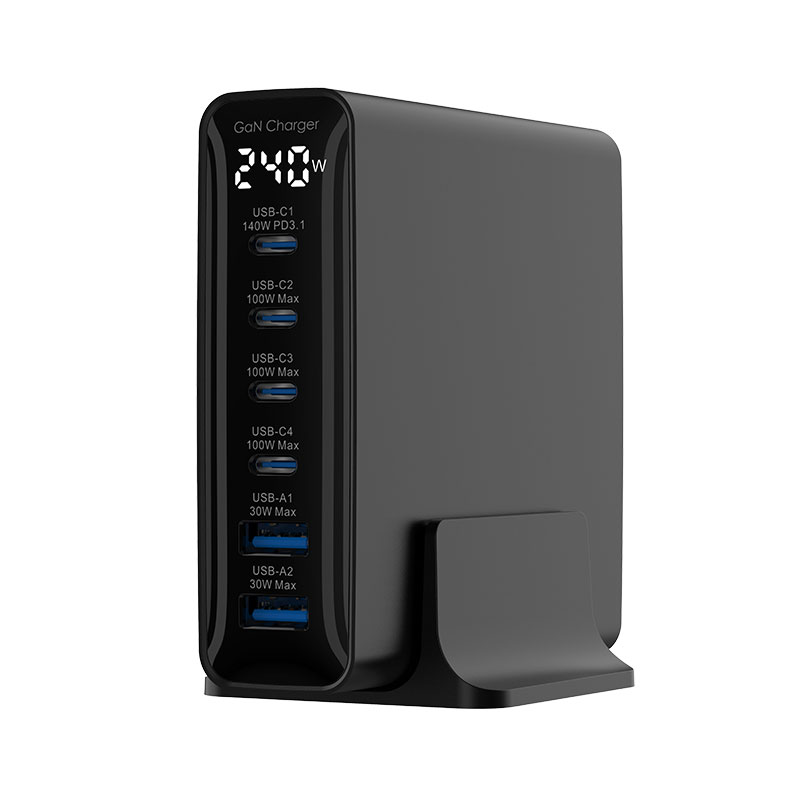
| Model | Ports | Power | Certifications | Ideal Use |
|---|---|---|---|---|
| GaN 45W | 2x USB-C, 2x USB-A | 45W | CE/FCC/RoHS/CEC | Travel |
| GaN 65W | 2x USB-C, 1x USB-A | 65W | CE/FCC/RoHS/DOE | Office |
| GaN 100W | 2x USB-C, 1x USB-A | 100W | CE/FCC/RoHS/CEC/DOE | Gaming/Laptop |
How Can Brands Customize Low-MOQ GaN Charger Bundles for the 80% Battery Health Market?
Wecent offers OEM/ODM Levels 1–3: brand logos, custom packaging, colors, 20W–240W powers from 200 pcs MOQ. Bundle GaN wall chargers with wireless 3-in-1 docks or cables; select EU/US/UK/AUS plugs. Shenzhen factory-direct pricing and 15+ years stability suit Amazon sellers testing battery-health bundles.
What’s the ROI for Private-Label Brands Investing in GaN Charger Bundles for Battery-Health-Conscious Customers?
With 65% smartphone users aware of battery health, GaN bundles yield 15–25% premiums over generics. Low returns from reliable performance boost lifetime value. Wecent’s 100% testing and 2-year warranty cut complaints; 200-pc orders at $8–12 COGS retail $24.99–$32.99, funding health-focused marketing.
Conclusion
The 80% charge limit protects lithium-ion batteries from degradation, creating B2B opportunities in longevity-focused accessories. Wecent, Shenzhen’s ISO9001-certified GaN expert, delivers 20W–240W solutions with PD/QC support, multi-certifications, low MOQ, and full customization. Partner for factory-direct, battery-safe private-label lines that drive margins and trust in global markets.
FAQs
If my phone is capped at 80%, does a faster charger damage my battery?
No—GaN PD 3.0+ chargers like Wecent’s minimize heat during throttling. Poor regulators overheat; prioritize CE/FCC-certified multi-port models for safe, efficient 80% charging.
Can I disable the 80% charging limit and use a regular charger instead?
Yes, toggle in Settings, but it reduces lifespan gains. OEM packaging from Wecent can educate users: pair 80% mode with GaN for max longevity, enhancing private-label appeal.
Is 80% battery health the same as the 80% charge limit feature?
No—health shows capacity loss over time; limit prevents it. Effective 80% use keeps health above 80% longer. Clarify in marketing to avoid confusion for end-users.
What certifications should I require from a GaN charger supplier for 80%-compatible devices?
CE, FCC, RoHS minimum; add CEC/DOE for US, CCC/PSE/KC per model. Wecent provides all with batch reports, supporting global compliance for OEM projects.
Why is GaN technology better than traditional chargers for battery-safe bundling?
GaN cuts heat loss, suiting 80% modes across phones/laptops. Wecent’s 20W–240W range, compact designs, and wireless options enable versatile, low-MOQ bundles for health-focused SKUs.