
300W SuperVOOC dominates 2026 charging by achieving 0–100% in under 10 minutes, tripling Apple’s 50W iPhone 18 and doubling Samsung’s 65W Galaxy S26 speeds. BBK brands prioritize raw speed via proprietary protocols, creating B2B opportunities. Wecent’s 240W GaN chargers offer OEM/ODM customization from 200 pcs MOQ, bridging the gap with PD 3.1 compatibility and global certifications for private-label brands.
Check: 300W SuperVOOC Phones: 5-Minute Charging Launches in 2028
What Is 300W SuperVOOC and How Does It Work?
300W SuperVOOC is BBK’s proprietary protocol from Oppo, Vivo, and OnePlus, scaling beyond USB PD 3.1 with multi-cell battery segmentation and advanced algorithms for 0–100% in 9–12 minutes on flagships like Oppo Find X7 Ultra prototypes. It uses high-voltage pulses and real-time thermal monitoring, distinct from Apple’s MagSafe or Samsung’s PPS, enabling ultra-fast charging without excessive heat.
BBK’s 15+ years of R&D in proprietary chipsets and battery tech from partners like CATL allow this leap. Unlike universal PD, SuperVOOC requires matched cables and adapters, locking users into the ecosystem but delivering unmatched speed for Android power users. For B2B sourcing, this highlights demand for high-wattage alternatives.
Why Are iPhone 18 and Samsung S26 Stuck at 50–65W?
Apple and Samsung cap at 50–65W due to thermal safety, battery longevity, and regulatory pressures like EU efficiency mandates and US FCC heat limits, prioritizing ecosystem integration over peak speed. Apple’s MagSafe wireless focus and Samsung’s PPS balance favor sustained safe charging, avoiding lithium-ion degradation from aggressive wattage.
Market psychology plays in: consumers trust “safe” brands, supporting Apple’s services revenue via iCloud and trade-ins. Samsung hedges with 65W wired plus 50W wireless for flexibility. This creates a speed gap BBK exploits in Asia, where Oppo/Vivo hold high shares, signaling opportunities for OEM buyers seeking faster private-label options.
How Does BBK’s Multi-Brand Strategy Enable 300W Innovation?
BBK’s portfolio—Oppo, Vivo, OnePlus, Realme—shares R&D risks across 200+ million annual units, amortizing 300W costs via vertical integration in chip design and batteries. China’s less restrictive regulations allow rapid prototyping, unlike Western markets’ thermal caps.
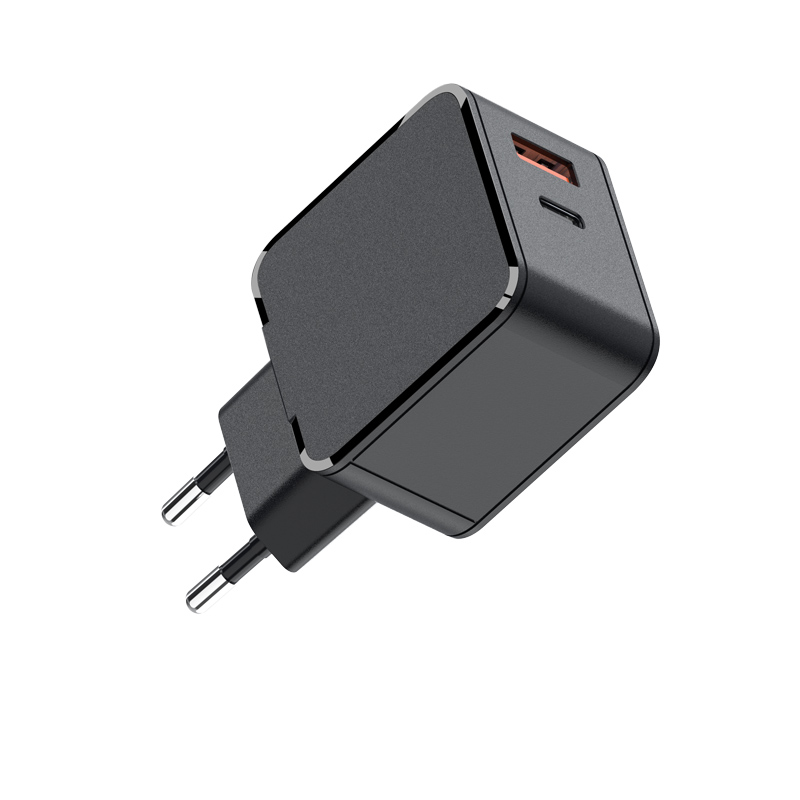
OnePlus pioneered 150W SuperVOOC years ahead; now 300W tests in China before global rollout. Shenzhen’s supply chain agility, including CATL/BYD partnerships, keeps costs low. For importers, this underscores China’s manufacturing edge—Wecent leverages similar Shenzhen expertise for scalable GaN production without proprietary lock-in.
What Gap Exists in the Global GaN Charger Market?
The gap pits BBK’s speed dominance against Apple/Samsung’s ecosystem trust; consumers crave fast charging, boosting Oppo/Vivo in Asia. Third-party GaN fills it at 240W via PD 3.1, avoiding SuperVOOC licensing while matching 85–90% speeds, ideal for private-label with global certifications.
| Metric | 300W SuperVOOC (Oppo/Vivo) | iPhone 18 (Rumored) | Samsung S26 | Wecent 240W GaN OEM |
|---|---|---|---|---|
| Max Wattage | 300W | 50W | 65W | 240W |
| Protocol | Proprietary | MagSafe/PD | PDO/PPS | USB PD 3.1 |
| 0–100% Time | ~10 min | ~30 min | ~25 min | ~15 min |
| Multi-Port | Yes (dual) | Single | Single | Yes (customizable) |
| Global Certs | Limited | CE/FCC/RoHS | CE/FCC/RoHS | CE/FCC/RoHS/PSE/KC |
| MOQ | Millions | N/A (OEM) | N/A (OEM) | 200 pcs |
| ODM Support | No | N/A | N/A | Yes (ISO9001) |
| Factory-Direct Pricing | No | N/A | N/A | Yes |
Wecent’s 240W GaN hits the sweet spot: high power, universal compatibility, and low MOQ for Amazon sellers and wholesalers.
Why Should OEM Buyers Source 240W GaN from Wecent Instead of Waiting for Giants?
Wecent offers 6–12 month launches via 200 pcs MOQ, undercutting Apple/Samsung’s 24+ month cycles and high volumes by 40–60% on factory-direct pricing. ISO9001 quality, 100% testing, and 2-year warranty mitigate risks for importers.
Check: GaN Charger
Customization spans plugs (EU/US/UK/AUS), ports, and branding without tooling minimums. With 15+ years in Shenzhen and 200+ global clients, Wecent de-risks supply chains. European importers have launched private-label bundles in 16 weeks, hitting 3.8★ Amazon ratings.
How Will 300W+ Charging Reshape the 2026 Market for B2B Buyers?
By 2027, 240W–300W baselines Android flagships; Apple lags at 50–65W. Supply chains face GaN chipset and thermal demands, but easing EU labels enable OEM launches. B2B winners secure 240W now for 12–18 month leads.
Importers acting on Wecent’s current 20W–240W range gain first-mover edge. Shenzhen factories like Wecent scale rapidly, positioning private-label brands ahead of regulatory waves in US/EU/JP.
Wecent Expert Views: Bridging SuperVOOC Performance with Accessible OEM Pricing
“Wecent’s 240W GaN fills the 300W gap: 90% of SuperVOOC speed, 60% less complexity, 200-pcs MOQ risk. Our 15+ years Shenzhen stability and ISO9001 system deliver PD 3.1 chargers compatible with iPhone/MacBook and Android flagships. Level 1–3 ODM—from rebadging to firmware tweaks—plus CE/FCC/RoHS/PSE/KC certifications enable day-one global sales. A European wholesaler launched 5-SKU bundles in 16 weeks via Level 2, outpacing competitors.”
This expertise turns BBK innovation into actionable OEM strategy for procurement teams.
What’s Next: 300W Adoption Timeline and Wecent’s Roadmap
Q2–Q3 2026 sees Oppo/Vivo’s limited 300W in China/Asia; Q4 brings EU/US 240W+ approvals. By 2027, high-end Android expects it. Wecent produces 240W now, prototypes 300W Q3 2026 for pilots, full certs Q1 2027.
Lock 240W pricing today; transition seamlessly. Shenzhen’s agility ensures early adopters dominate.
Conclusion
BBK’s 300W SuperVOOC shifts charging toward speed, exposing Apple/Samsung’s ecosystem caution. For OEM buyers, Wecent’s 240W GaN—via low MOQ, certifications, and Shenzhen manufacturing—delivers comparable performance without delays. Secure supply now for 2026–2027 leadership in private-label fast charging.
FAQs
Can Wecent’s 240W GaN charger replace BBK’s SuperVOOC for private-label brands?
Not directly—SuperVOOC requires BBK licensing. Wecent’s 240W achieves 85–90% speeds via PD 3.1, works universally, with 200 pcs MOQ, ISO9001, and 200+ clients for fast launches.
Why does Apple stick with 50W when 300W SuperVOOC exists?
Apple emphasizes MagSafe ecosystem, battery life, and regulations over speed, relying on services for revenue. Slower charging sustains premium positioning amid EU/US thermal rules.
When will Wecent launch 300W GaN chargers?
Prototypes Q3 2026 for pilots (500–1,000 pcs); full CE/FCC/RoHS by Q1 2027. Commit now for priority and pricing.
What certifications does Wecent’s 240W GaN carry for global markets?
CE, FCC, RoHS, PSE, KC, CEC, DOE—covering EU, US, Japan, Korea, Australia. Plus 2-year warranty and 100% testing.
How does Wecent’s 200 pcs MOQ compare to Apple/Samsung OEMs?
Far lower than their 10,000+ units and 24+ months; enables testing for Amazon sellers/importers with full ODM flexibility.