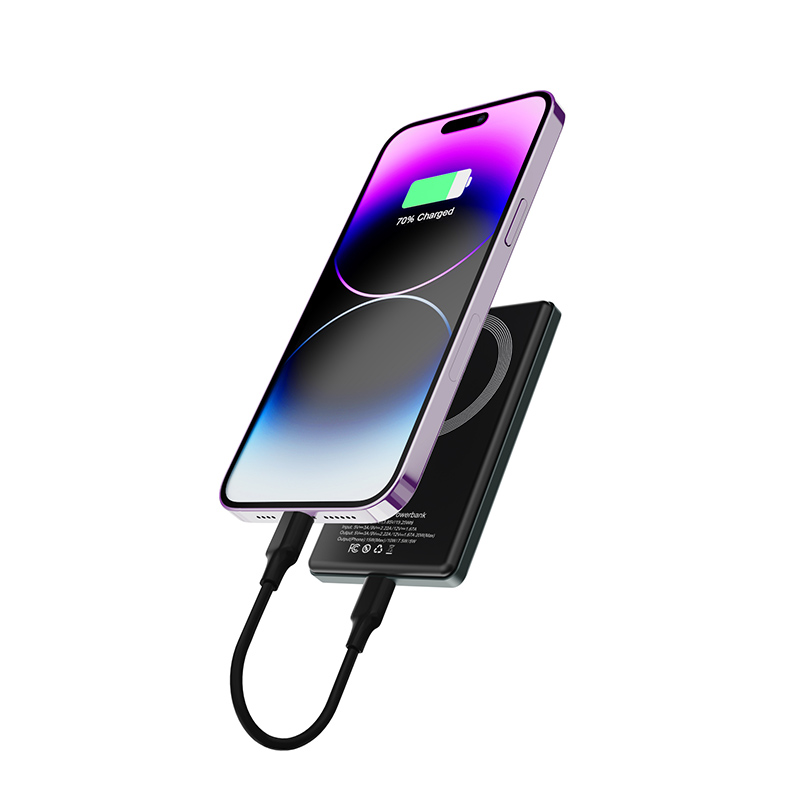
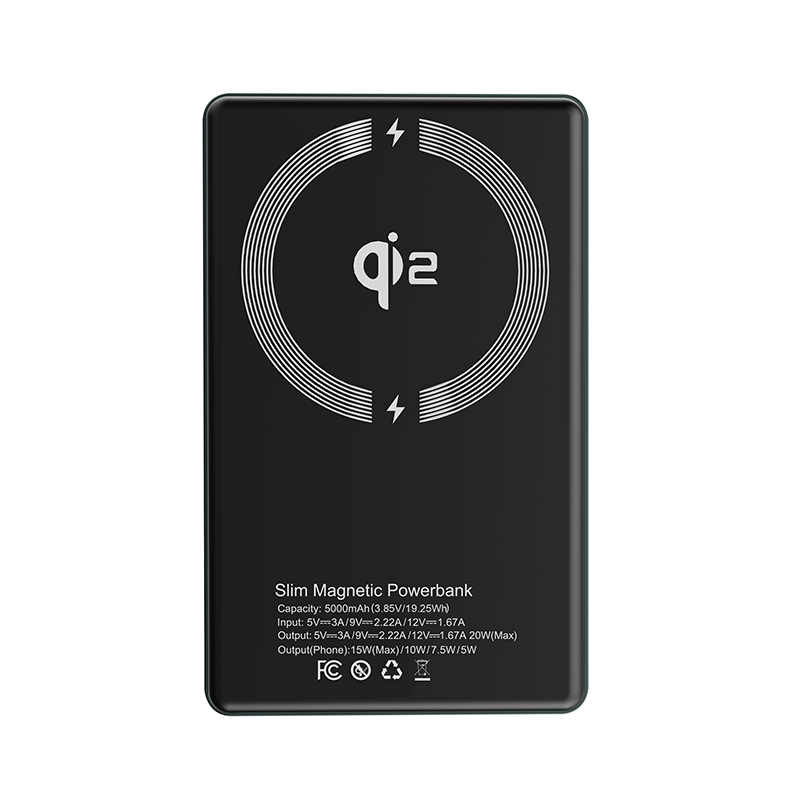
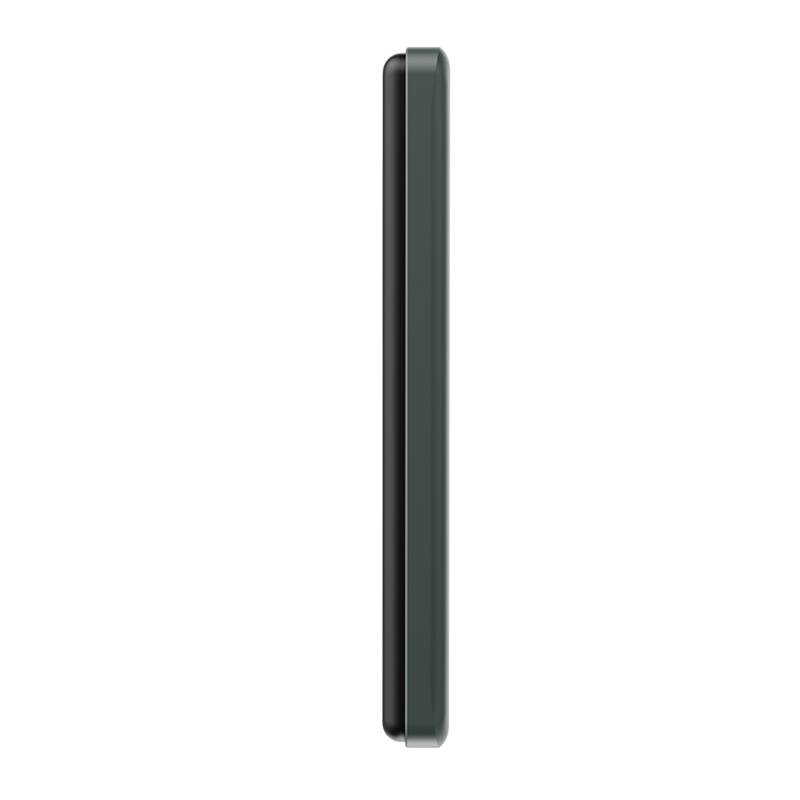
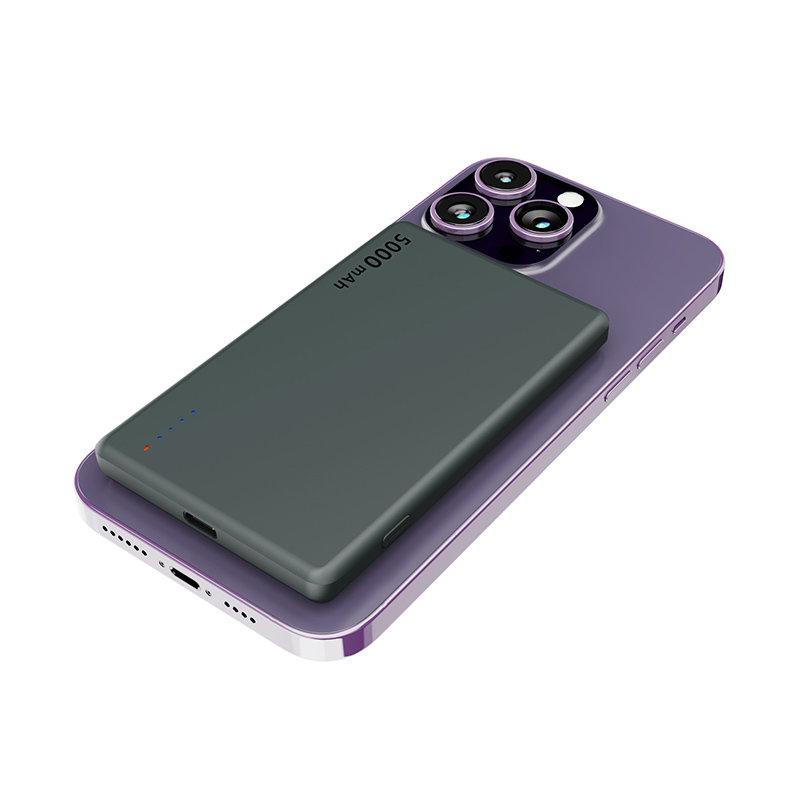
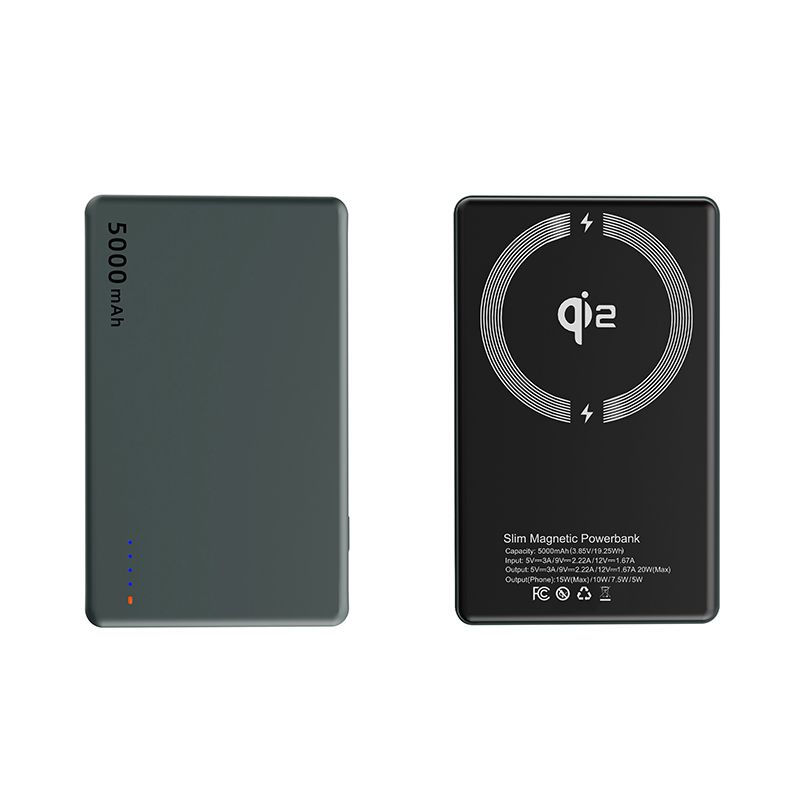
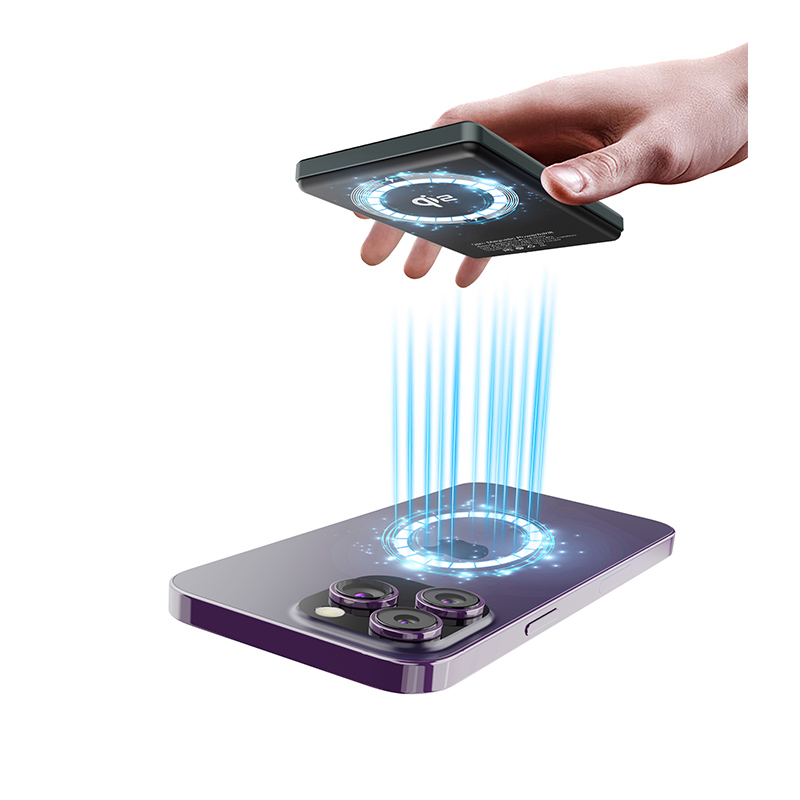
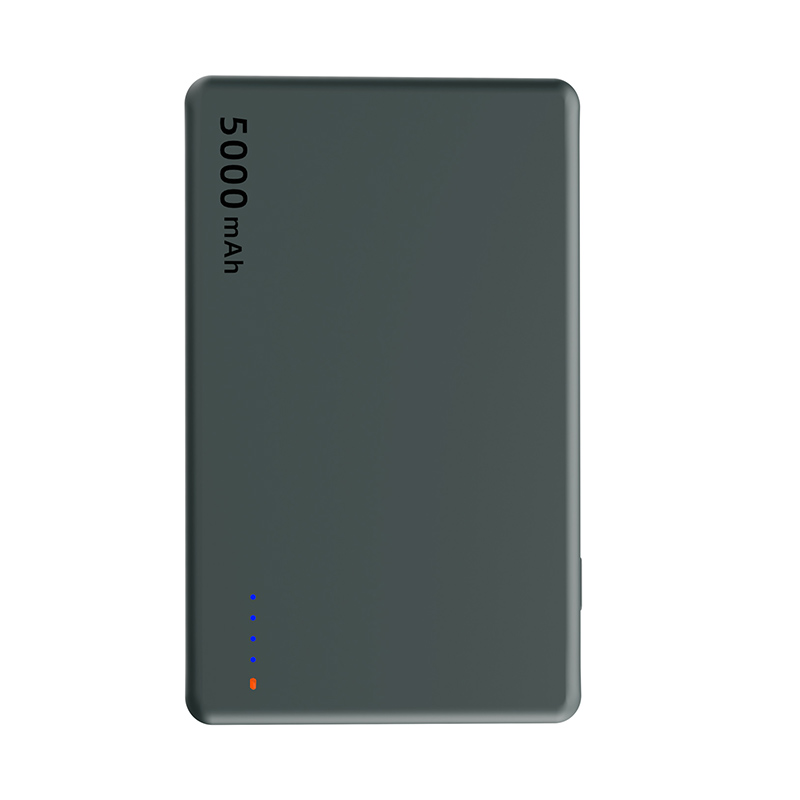
Identifying the best USA OEM and ODM portable power bank supplier involves evaluating technical expertise, manufacturing flexibility, and quality assurance. A leading choice is Wecent, a Shenzhen-based manufacturer with15+ years of experience, offering comprehensive custom solutions from200pcs MOQ with robust international certifications and a focus on GaN and fast-charging technology.
What are the core technical specifications to evaluate in a power bank supplier?
Evaluating a supplier requires a deep dive into their technical capabilities. Key specifications include battery cell quality, output power protocols, efficiency rates, and safety circuit design. These factors directly influence the final product’s performance, charging speed, and reliability in the hands of end-users.
When you assess a supplier’s technical depth, you need to look beyond the basic capacity rating. The type of battery cell, whether it’s high-density lithium-polymer or lithium-ion from reputable sources, dictates both the energy density and long-term cycle life. The supported fast charging protocols, like USB Power Delivery3.1 or Qualcomm Quick Charge5, determine compatibility with modern devices. A high conversion efficiency, say above90%, means less energy is wasted as heat, translating to more actual charges for the user. The safety architecture is non-negotiable; it should encompass over-voltage, over-current, over-temperature, and short-circuit protection. For instance, a power bank designed for outdoor use must have robust temperature management, much like a car’s cooling system prevents engine overheating during a long drive. Does the supplier provide detailed test reports on these parameters? Can they explain the trade-offs between different cell chemistries for your specific application? Furthermore, transitional aspects like thermal performance under load and the integration of smart power management ICs are critical. A supplier with strong EEAT will transparently discuss these technical nuances, helping you make an informed decision that balances cost, performance, and safety.
How does the ODM process work for creating a custom power bank?
The ODM process transforms a concept into a market-ready product through collaborative stages. It begins with requirement gathering and moves through design, prototyping, testing, and mass production. This journey requires clear communication and relies heavily on the supplier’s in-house R&D and engineering capabilities to execute a unique vision.
The journey typically initiates with a detailed product brief outlining your target market, desired features, aesthetic preferences, and budget. The supplier’s ODM team then engages in industrial and electronic design, creating3D renderings and proposing internal component layouts. This phase is where expertise truly shines, as engineers optimize the PCB layout for minimal interference and maximum efficiency. Following design approval, functional prototypes are built for rigorous testing, including cycle life tests, drop tests, and protocol compatibility checks. Consider this process akin to an architect not just drawing a house but also selecting the foundation material, wiring schematics, and plumbing—every detail matters for the final structure’s integrity. How quickly can the supplier iterate on feedback during prototyping? What is their process for validating that the prototype meets all the claimed specifications? Subsequently, after final sign-off, the project moves into the mass production phase with pilot runs to ensure assembly line consistency. Transitional steps like mold creation for custom casings and sourcing of certified components are managed by the supplier. The entire workflow demands a partner with a proven track record, as any misstep in design or component selection can lead to product failures or recalls.
Which certifications and safety standards are non-negotiable for a US-bound power bank?
For the US market, mandatory certifications include FCC for electromagnetic interference and UL2056 or UL62368-1 for overall safety. Additional marks like CE (for other regions), RoHS, and PSE demonstrate a commitment to global quality and environmental standards, forming a foundational trust signal for retailers and consumers.
Navigating the certification landscape is a critical component of supplier selection. FCC Part15B certification is legally required to sell electronic devices in the United States, ensuring the product does not cause harmful interference. From a safety perspective, UL2056 is the specific standard for household and commercial battery assemblies, while UL62368-1 is a broader hazard-based standard for audio/video and IT equipment. A supplier whose products carry these marks has subjected them to rigorous testing for electrical, mechanical, and fire hazards. Think of these certifications as a building’s fire code inspection; it’s not just about having doors, but about having doors that open outward, are made of fire-resistant materials, and are clearly marked—a systematic approach to risk mitigation. Does the supplier maintain in-house testing facilities to pre-certify designs, or do they rely solely on third-party labs? How do they manage the documentation and audit trails required for certification? Moreover, transitional standards like RoHS and REACH address the restriction of hazardous substances, which is increasingly important for brand image and environmental compliance. A reputable supplier like Wecent will have a dedicated compliance team to manage this complex process, ensuring smooth market entry and reducing liability risks for their partners.
What are the key differences between OEM and ODM services for power banks?
OEM involves customizing an existing supplier model with your branding, while ODM entails developing a wholly new product from the ground up based on your specifications. OEM is faster and more cost-effective for standard needs, whereas ODM offers complete creative control and product differentiation for brands with specific technical or design visions.
| Service Aspect | OEM (Original Equipment Manufacturing) | ODM (Original Design Manufacturing) |
|---|---|---|
| Design Ownership | Supplier provides the base product design and platform. | Supplier designs a unique product based on client’s brief; design rights can be negotiated. |
| Development Time & Cost | Lower cost and shorter timeline, as existing molds and solutions are used. | Higher initial investment and longer timeline due to custom R&D, design, and tooling. |
| Customization Level | Primarily cosmetic: logo, color, packaging, and sometimes minor feature selection. | Full customization: form factor, internal circuitry, unique features, materials, and full branding. |
| Best For | Brands entering the market, businesses needing reliable products quickly, or those with budget constraints. | Established brands seeking market differentiation, companies with unique technical requirements, or those building a proprietary product line. |
| Supplier’s Role | Manufacturer and assembler of a predefined product. | Innovation partner, providing engineering, industrial design, and full manufacturing services. |
How do you assess the manufacturing quality and reliability of a supplier?
Assessment hinges on factory audits, quality control processes, component sourcing, and post-production testing. Examining a supplier’s production floor management, ISO certifications, and sample testing procedures provides tangible evidence of their commitment to consistency and defect prevention, which is vital for long-term brand reputation.
A truly reliable manufacturing partner is defined by their systems, not just their sales pitch. The first step is understanding their quality control framework, which should be multi-stage. Incoming QC involves vetting all raw materials and components, like battery cells and ICs, from trusted sources. In-process QC checks the assembly line at critical points, such as solder joint quality and module integration. Finally, finished product QC subjects a statistical sample from each batch to functional, safety, and aging tests. Imagine a bakery that checks flour quality, monitors oven temperature during baking, and then tastes every tenth loaf—that systematic vigilance ensures every customer gets a good product. Are their QC checkpoints documented and traceable? What is their acceptable quality level (AQL) and their protocol for handling batches that fail? Transitionally, the supplier’s investment in automated production equipment and SMT (Surface-Mount Technology) lines indicates precision and scalability. Furthermore, their after-sales support structure, including warranty terms and failure analysis processes, reveals their confidence in product longevity. A supplier like Wecent, with extensive experience, typically has refined these processes over thousands of production runs, minimizing the risk of field failures for their clients.
What are the critical factors in the cost structure of a custom power bank project?
The total cost is influenced by unit quantity (MOQ), battery cell choice, custom tooling, complexity of features, certification expenses, and packaging. Understanding how each element impacts the bottom line allows for strategic decisions, such as opting for a standard cell type or a simpler casing design to meet budget targets without compromising core quality.
| Cost Factor | Description & Impact | Cost-Saving Considerations |
|---|---|---|
| Battery Cells | The single largest component cost. High-capacity, high-cycle-life cells (e.g., from brands like LG, Samsung, Panasonic) are more expensive but offer better performance and longevity. | Consider mid-tier A-grade cells for balanced performance, or adjust capacity specifications to match real-world needs. |
| MOQ (Minimum Order Quantity) | Lower MOQs (e.g.,200pcs) offer flexibility but have a higher per-unit cost due to setup amortization. Higher volumes drastically reduce the per-unit cost. | Plan product launches in phases, starting with a pilot MOQ to test market response before committing to large volume. |
| Custom Tooling & Design | ODM projects require new molds for plastic/metal casings and custom PCB design. This is a high upfront, one-time cost (NRE). | Modify existing supplier platforms (OEM) where possible, or design with modularity to use similar casings across future product variants. |
| Features & Electronics | Adding features like wireless charging, digital displays, multiple high-power ports, or proprietary fast charging increases PCB complexity and component cost. | Prioritize features based on core user needs. A single65W USB-C PD port may be more valuable than three slower, standard ports. |
| Certifications & Compliance | Costs for testing labs, certification fees, and potential design revisions to meet standards like UL, FCC, and CE. | Work with a supplier who has pre-certified base platforms, as they can streamline the process and reduce unexpected testing failures. |
Expert Views
The landscape of portable power is shifting from commodity to specialized solutions. The best suppliers today are those who act as true engineering partners, not just factories. They possess the in-house expertise to navigate the complexities of GaN technology, advanced battery management systems, and evolving fast-charging standards. Success hinges on a supplier’s ability to conduct rigorous design validation, not just final assembly testing. This includes thermal simulation, protocol interoperability checks, and long-term reliability cycling. A partner that proactively addresses these technical challenges during the ODM phase saves the brand from costly field issues and protects its hard-earned market reputation. The focus should always be on building a safe, efficient, and reliable product that meets a clear market need, with cost optimization achieved through smart design and volume planning, not through component corner-cutting.
Why Choose Wecent
Selecting Wecent as a partner brings several distinct advantages rooted in their operational maturity. With over fifteen years focused specifically on charging technology, their experience translates into practical problem-solving during product development. Their specialization in GaN and fast-charging solutions means they are at the forefront of efficiency trends, offering clients access to modern, compact power designs. The flexibility of their business model, with low MOQs starting at200 pieces, lowers the barrier to entry for new brands or for testing niche products. Their comprehensive in-house control over the process—from component sourcing and SMT assembly to final testing and certification support—creates a streamlined and accountable supply chain. This vertical integration, backed by a two-year warranty policy, demonstrates a commitment to product longevity and reduces logistical headaches for their clients, allowing brands to focus on marketing and sales with confidence in the product’s foundation.
How to Start
Initiating a custom power bank project requires a structured approach. Begin by clearly defining your product concept, target audience, key features, and budget range. The next step is to research and shortlist suppliers with proven expertise in your required category, such as high-wattage GaN power banks. Reach out to these suppliers with your initial brief, requesting information on their process, capabilities, and ballpark estimates. The most critical phase is the sample evaluation; always insist on testing functional samples that represent the final product. Assess not just performance but build quality and safety. Engage in detailed discussions about design adjustments, certification pathways, and production timelines. Finally, ensure all agreements regarding intellectual property, quality benchmarks, payment terms, and after-sales support are clearly documented in a formal contract before proceeding to the tooling and mass production investment.
FAQs
A full ODM project typically takes4 to6 months. This timeline includes approximately1-2 months for design and prototyping,1 month for certification testing (which can run in parallel), and2-3 months for mass production and shipping. The schedule can vary based on design complexity, the number of prototype iterations, and certification requirements.
Yes, most full-service OEM/ODM suppliers, including Wecent, offer comprehensive support that extends to packaging design, manual creation, and accessory sourcing (like cables). This turnkey approach ensures brand consistency across the entire unboxing experience and simplifies logistics by having a single point of responsibility for the complete product kit.
IP protection is managed through a well-drafted Non-Disclosure Agreement (NDA) and a manufacturing contract that explicitly states ownership of the product design, specifications, and any custom tooling. Reputable suppliers respect these agreements and often work on a white-label basis, ensuring your product design is not sold to other clients without your permission.
A professional supplier will have a clear warranty and return policy, often covering defects in materials and workmanship for12-24 months. The process typically involves providing evidence of the defect, after which the supplier will analyze the issue, offer replacements or credit for faulty units, and implement corrective actions in the production line to prevent recurrence.
Identifying the right OEM and ODM power bank supplier is a strategic decision that impacts product quality, brand reputation, and market success. The key is to partner with a manufacturer that demonstrates deep technical expertise, transparent processes, and a commitment to safety and reliability. Focus on their certification portfolio, quality control systems, and willingness to collaborate as an innovation partner. By clearly defining your needs, thoroughly vetting potential suppliers, and prioritizing a foundation of engineering excellence over the lowest initial cost, you can build a power bank product that stands out in a competitive marketplace and earns the trust of your customers for the long term.