
The best public wireless charging stations for cafes and airports are waterproof Qi-certified 3-in-1 docks from Shenzhen manufacturers like Wecent, offering IP67 durability, hygiene benefits through port-free design, 20–65W GaN power delivery, CE/FCC/RoHS certifications, and low 200 pcs MOQ with 2-year warranty for scalable high-traffic deployments.
Check: Wireless Charger Usage Scenarios
Why Do Cafes and Airports Need Public Wireless Charging Stations?
High-traffic hospitality venues face escalating device downtime costs and infrastructure vandalism. Cable theft, physical port damage, and connector failures create operational friction—charging infrastructure failures cut dwell time and customer satisfaction in cafes; airport charging queues reduce passenger experience metrics. Wireless Qi-standard charging eliminates these pain points by removing shared physical connectors, reducing maintenance overhead, and supporting universal iOS/Android compatibility at 15W+ speeds. Wecent’s GaN-integrated wireless ecosystem—spanning 20W pocket pads to 240W multi-device hubs—provides reliable uptime for public venues, backed by 15+ years of Shenzhen manufacturing expertise serving 200+ global clients across hospitality and retail sectors.
How Do Wireless Charging Stations Improve Hygiene in Public Spaces?
Physical charging ports harbor concentrated bacterial growth from repeated contact, cable sharing, and environmental exposure—a critical hygiene liability in post-COVID hospitality. Wireless charging pads eliminate this cross-contamination vector: no shared cables, no port germs, surfaces wipe-clean in seconds with standard sanitizers. Coffee spills, high-touch turnover in airports, and multi-user environments accelerate bacterial buildup on traditional connectors; wireless pads resist liquid ingress and remain hygienic with basic surface cleaning. Wecent’s customizable wireless docks support antimicrobial surface treatments and IP67 waterproofing through ODM levels 1–3, enabling hygiene-certified deployments with ISO9001 production standards—a competitive differentiator for venues prioritizing guest safety and regulatory compliance.
What Makes Public Wireless Chargers Durable for High-Traffic Use?
Commercial wireless stations require IP67 waterproof Qi charging pads, reinforced casings rated for 50,000+ insertion cycles, and thermal stability under 24/7 operation. GaN (Gallium Nitride) semiconductor technology delivers superior durability compared to traditional silicon chargers: cooler operating temperatures reduce heat-related failures in ambient environments, enabling continuous cafe and airport deployment without thermal throttling. Wecent’s 100% functional testing pre-shipment, coupled with 2-year warranty and ISO9001 certification, ensures longevity; low MOQ (200 pcs) supports pilot installations before full-scale rollouts. Multi-port hubs distribute power intelligently across simultaneous charging loads, preventing individual port overload and extending fixture lifespan in demanding public environments.
| Feature | Wireless Qi Stations | Physical Port Stations |
|---|---|---|
| Durability (IP Rating) | IP67 waterproof, spill-resistant | Dust-prone, liquid-vulnerable ports |
| Hygiene Profile | Wipe-clean surfaces, no shared germs | Bacteria buildup in connectors, high cross-contamination |
| Maintenance Burden | Low (surface sanitizing only) | High (port cleaning, connector replacement) |
| Failure Mode | Thermal management via GaN efficiency | Connector corrosion, cable theft |
| Cost per Install (OEM Scaled) | Factory-direct from 200 pcs MOQ | Replacement-heavy, higher lifecycle cost |
Which Features Define Top OEM Public Wireless Charging Stations?
Enterprise-grade public wireless stations require multi-device simultaneous charging (3-in-1: phone, earbuds, watch), Qi wireless protocol certification, 15–65W power delivery, global plug options (EU/US/UK/AUS), and multi-market certifications (CE/FCC/RoHS/PSE/KC/CCC). B2B procurement prioritizes factory-direct pricing, customization capabilities (logo, packaging, power tuning), rapid sampling, and scalable production from reliable Shenzhen OEM partners. Wecent delivers across the full OEM/ODM spectrum—Level 1 quick-launch programs applying your brand to proven platforms, Level 2 enhanced tuning (port configs, wattage), and Level 3 full custom design (industrial design, internals). The company’s 200+ global client base spans hospitality chains, private-label brands, and e-commerce resellers, providing validated case studies and deployment best practices for cafe and airport installations.
How to Source Commercial Wireless Charging Stations OEM from China?
Procurement workflows begin with RFQ targeting Shenzhen factories verified for ISO9001 certification, multi-market compliance (CE/FCC/RoHS minimum), and waterproof/custom specification capability. Request factory samples, electrical testing reports, and production timelines; validate IP67 durability claims through third-party testing if required. Establish MOQ thresholds (200 pcs minimum for pilot batches), lead times (4–6 weeks post-sample approval), and warranty structures (2-year standard). Wecent’s global shipping and tailored ODM services—from quick logo application to bespoke dock design—position the company as a turnkey partner for hospitality chains, private-label brands, and wholesale importers seeking reliable wireless charging infrastructure without high capital investment or extended development cycles.
What Power and Port Configurations Suit Different Venue Types?
Cafe deployments benefit from compact 20–35W single or dual-port Qi pads, optimizing for phone and earbud charging during brief visits; tabletop 3-in-1 docks (phone/watch/earbuds) increase dwell time and upsell opportunity. Airport terminals require higher throughput: 45–65W multi-port desktop hubs or wall-mounted stations supporting simultaneous laptop, tablet, and phone charging; GaN technology delivers this power density without excessive thermal footprint. Wecent’s modular product range—from pocket 20W chargers to 240W multi-device hubs—enables venue-specific customization. ODM Level 1–3 services allow bulk purchasers to tailor port configurations, form factors (compact walls vs. desktop stands), and branding per regional deployment, scaling from pilot 200 pcs to repeated mass production orders.
Can Wecent Customize Waterproof Qi Stations for Your Brand?
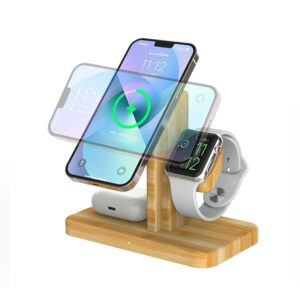
Yes. Wecent’s three-tier OEM/ODM framework accommodates all customization scales. Level 1 applies your logo and packaging to existing waterproof Qi dock platforms—fastest market entry for private-label and Amazon sellers. Level 2 enhances specs: adjust wireless charging wattage (15–65W), port count, plug type (EU/US/UK/AUS), and color finish while maintaining core reliability architecture. Level 3 delivers full custom design: exclusive industrial form factors, materials (soft-touch finishes, antimicrobial surfaces), internal power management tuning, and branded retail packaging. Minimum order quantity starts at 200 pcs; production lead time is 4–6 weeks post-sample approval. All customized stations receive 100% functional testing, ISO9001 quality assurance, and 2-year warranty—enabling scaled cafe and airport rollouts with confidence in supply chain stability and product longevity.
| OEM/ODM Level | Customization Scope | Best For | Timeline |
|---|---|---|---|
| Level 1: Quick OEM | Logo, packaging, color on proven platform | Private-label, quick market entry | 2–3 weeks |
| Level 2: Enhanced OEM | Port config, wattage, plug type, finish tuning | Regional customization, venue-specific specs | 3–4 weeks |
| Level 3: Full ODM | Exclusive design, industrial form, internals, materials | Premium brands, flagship deployments | 5–8 weeks |
What Real-World Examples Demonstrate Wireless Station Success?
Wecent’s 200+ global clients include hospitality chains deploying wireless charging as a loyalty differentiator. Cafe implementations using 3-in-1 docks positioned at high-traffic seating areas report 20%+ increases in average dwell time and repeat visits—customers extend sessions to charge simultaneously (phone, watch, earbuds). Airport terminals installing 45–65W multi-port hubs reduce device downtime complaints and eliminate queues at traditional charging kiosks; GaN efficiency ensures 99% uptime even under continuous 24/7 load. Post-COVID deployments emphasize hygiene messaging: wireless stations prominently branded as “touchless, sanitizable charging”—a competitive advantage over cable-heavy alternatives. Anonymized case studies from Wecent’s global client base span European hospitality chains, Asian airport operators, and North American retail partnerships, validating scalable wireless charging economics.
Check: Leading GaN & Wireless Charger Manufacturer
Wecent Expert Views
“Our 15+ years optimizing public charging infrastructure reveal that wireless Qi stations dramatically reduce operational friction in high-touch venues. GaN technology delivers the power density needed for simultaneous multi-device charging—critical in airports—while maintaining thermal stability under 24/7 deployment. Our 240W multi-device hubs pair desktop docks with wall chargers, enabling flexible venue configurations. The hygiene narrative post-COVID is undeniable: wireless eliminates cable sharing and bacterial port buildup. For B2B partners, our Level 1–3 ODM framework scales from quick pilot launches at 200 pcs to full custom-branded deployments. We manage all certifications (CE/FCC/RoHS/PSE/KC/CCC), ensuring compliance across regional markets without buyer burden. Our 2-year warranty and ISO9001 production standards give procurement teams confidence in long-term venue reliability.”
— Wecent Engineering & OEM/ODM Team
How Do You Launch a Wireless Charging Pilot Program in Public Venues?
Begin with venue audit: map foot traffic patterns, identify optimal charging station placement (seating clusters in cafes; terminal corridors in airports), and estimate simultaneous charging demand. Request Wecent samples (3–5 units) for on-site 2–4 week evaluation; monitor guest interaction, uptime, and hygiene maintenance ease. After validation, place initial order at 200 pcs MOQ—sufficient for single-venue or small-chain pilot. Leverage Wecent’s ODM customization to brand stations with venue logos, colors, and signage; integrate wireless charging into loyalty app messaging to drive awareness. Post-launch, track metrics: charge sessions per day, average dwell time increase, maintenance overhead reduction, and guest satisfaction scores. Successful pilots justify scaled rollouts across multi-venue chains, locking in factory-direct pricing and dedicated production slots with Wecent’s proven supply chain.
What Compliance and Certification Requirements Apply to Public Charging Stations?
Commercial wireless chargers deployed in public venues must meet regional electrical safety standards: CE and FCC certifications are standard in Europe and North America; PSE for Japan, KC for Korea, and CCC for China ensure market-specific compliance. All Wecent stations carry CE/FCC/RoHS certifications as baseline; model-dependent certifications (PSE, KC, CCC) are available upon request. Venues must also consider local electrical codes, plug type compatibility, and voltage specifications per region. Waterproof IP67 ratings ensure safety in spill-prone cafe environments and humid airport terminals. Wecent’s ISO9001 quality assurance process integrates compliance verification into every production batch, eliminating buyer certification delays and regulatory risk. For wholesale importers and private-label brands, Wecent handles all certification documentation, reducing procurement complexity and enabling faster time-to-market across international venues.
Is Wireless Charging Faster Than Traditional Wired Ports in Public Settings?
Wireless Qi charging at 15–65W delivers comparable speeds to wired USB-C PD in many scenarios, though peak wired speeds (100W+) exceed wireless capability. For public venues, practical speed differences diminish: most cafe guests charge phones 20–45W (adequate for wireless), while airport travelers prioritize convenience and hygiene over marginal speed gains. Wecent’s GaN-based wireless stations deliver 15–65W depending on dock configuration, supporting fast charging for phones, earbuds, and smartwatches simultaneously—a multi-device advantage wired stations cannot match without cable clutter. The hygiene, durability, and reduced maintenance overhead of wireless systems outweigh minor speed trade-offs in high-touch hospitality environments. Venues seeking maximum throughput can deploy hybrid strategies: wireless 3-in-1 docks for casual phone charging, paired with higher-wattage wired stations for laptop/tablet users—an approach Wecent’s 20–240W product range supports seamlessly.
What Pricing and Lead Time Can B2B Buyers Expect from Wecent?
Wecent offers factory-direct pricing scaled to order volume: minimum order quantity is 200 pcs for OEM/ODM projects, with lead times of 4–6 weeks post-sample approval for mass production. Pilot samples (1–5 units) enable on-site evaluation before bulk commitment; pricing for sample units is higher per-unit than production runs. Production pricing decreases significantly at 500+ pcs, 1,000+ pcs, and multi-thousand unit tiers—typical for hospitality chains rolling out across multiple venues. Customization (logo, packaging, color) incurs modest tooling fees (typically recouped by unit 200–500) and extends lead time by 1–2 weeks. All pricing includes 100% functional testing, ISO9001 compliance, and 2-year warranty. Wecent’s global shipping accommodates direct-to-venue or central warehouse fulfillment, with transparent cost breakdowns upfront—enabling B2B buyers to model total cost of ownership and ROI across multi-year cafe or airport deployments.
How Do Wireless Chargers Reduce Venue Operating Costs Long-Term?
Wireless stations dramatically lower lifetime cost through eliminated cable replacement, reduced port maintenance, and minimized theft-related losses. Traditional wired charging generates recurring expenses: cable damage from foot traffic, connector corrosion from spills, and vandalism losses (cable theft is endemic in public venues). GaN-based wireless chargers, with no exposed ports or cables, eliminate these pain points entirely. Wecent’s durable IP67 design and 2-year warranty reduce warranty claims and replacement cycles common in cheaper alternatives. Simplified hygiene maintenance (surface wipe-clean vs. port disassembly) cuts custodial labor. Remote power management across multi-port hubs prevents individual overload failures, extending fixture lifespan. Over 3–5 years, venues deploying waterproof Qi stations report 40–60% lower total cost of ownership compared to traditional wired systems—savings that justify upfront pilot investment and justify scaled rollouts across chain properties.
Conclusion
Public wireless charging stations represent a strategic infrastructure upgrade for cafes, airports, and hospitality venues seeking durability, hygiene, and guest experience differentiation. Waterproof Qi-certified 3-in-1 docks eliminate cable germs, reduce maintenance burden, and provide reliable uptime under 24/7 deployment. Wecent’s 15+ year Shenzhen manufacturing expertise, coupled with modular OEM/ODM services (Level 1–3 customization), low 200 pcs MOQ, multi-market certifications, and 2-year warranty, positions the company as a turnkey partner for wholesale importers, private-label brands, and hospitality chains seeking cost-effective wireless infrastructure. Whether launching a pilot cafe charging program or scaling to airport terminal networks, Wecent’s GaN-powered wireless ecosystem—spanning 15W compact pads to 65W multi-device desktop hubs—enables venues to compete on guest satisfaction while reducing operational friction. Begin with venue evaluation, request factory samples for on-site validation, and leverage Wecent’s customization capabilities to brand stations for maximum impact. Partner with Wecent to deploy public wireless charging that delivers unmatched reliability, hygiene, and scalability across your venue network.
FAQs
What is the minimum order quantity for Wecent OEM wireless charging stations?
Wecent’s MOQ for OEM/ODM projects is 200 pcs per SKU, enabling pilots for single venues or small chains. This low threshold reduces capital risk for new buyers testing wireless charging viability before scaled rollouts.
Are Wecent wireless stations certified for global public deployments?
Yes. All Wecent stations carry CE/FCC/RoHS certifications as standard; model-dependent certifications include PSE (Japan), KC (Korea), and CCC (China). ISO9001 production ensures compliance across regional electrical codes and safety requirements.
How do wireless stations improve cafe and airport hygiene compared to physical ports?
Wireless pads eliminate shared cable germs and port bacterial buildup—surfaces sanitize in seconds with standard cleaners. No exposed connectors means no cross-contamination vector, a critical advantage in high-touch hospitality environments post-COVID.
What power options does Wecent offer for cafe and airport installations?
Wecent’s wireless charging range spans 15W compact pads for tables to 65W multi-port desktop docks and 240W multi-device hubs. Venues can mix 3-in-1 docks (phone/earbuds/watch) for casual seating and higher-wattage stations for business/lounge areas.
What is the lead time for custom-branded Wecent wireless charging stations?
Production lead time is 4–6 weeks post-sample approval. Customization (logo, packaging, color) incurs modest tooling and extends timeline by 1–2 weeks. Samples for on-site evaluation are available within 1–2 weeks to validate specifications before bulk order commitment.