
How induction charging works: Transmitter coil generates an oscillating magnetic field via AC current. Receiver coil in the device induces voltage through electromagnetic induction (Faraday’s law). Converted to DC for battery charging. Qi standard ensures up to 15W efficiency, though not faster than wired—coil alignment and optimization cut losses by 10-20% in OEM designs like Wecent’s 3-in-1 docks.
Check: GaN Charger
What Is Induction Charging and Why Does It Matter for B2B Sourcing?
Induction charging transfers power electromagnetically without wires using the Qi standard for mobile devices. For B2B sourcing, it enables private-label wireless docks amid demand for cable-free ecosystems. Alternating current creates magnetic fields for non-contact transfer, reducing wear in high-volume use. Wecent offers Qi-compliant chargers with 15+ years expertise, serving 200+ global clients from 200 pcs MOQ.
How Does the Physics of Wireless Power Transfer Actually Work?
Electromagnetic induction drives wireless power: transmitter coil oscillates AC to create changing magnetic flux. Receiver coil captures this via Faraday’s law, inducing voltage rectified to DC for charging. Key components include coils, resonant capacitors, and power management ICs operating at 100-205 kHz for Qi compatibility.
| Aspect | Wired | Induction |
|---|---|---|
| Energy Transfer Method | Direct electrical conduction via cables | Electromagnetic fields through coils |
| Efficiency Range | 90-95% | 70-90% with coil optimization |
| Heat Loss Factors | Cable resistance, connector wear | Misalignment, eddy currents, hysteresis |
| B2B Scalability | High speed, low cost per unit | Cable-free appeal, custom OEM designs |
What Role Does Coil Design Play in Induction Charging Efficiency?
Coil design uses copper Litz wire to reduce skin effect losses and handles alignment sensitivity that drops efficiency 20-30% if misaligned. Energy losses from eddy currents, hysteresis, and resistance are minimized by multi-layer windings and ferrite shielding, achieving 85-90% transfer rates.
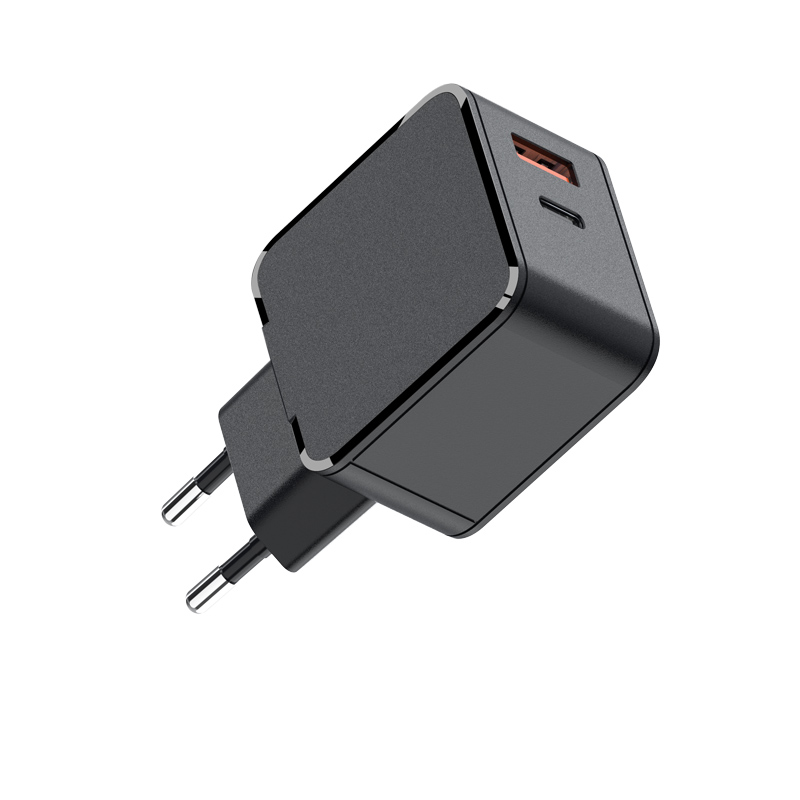
Wecent Expert Views
“With 15+ years optimizing coils in wireless chargers like our 3-in-1 docks for phone, earbuds, and watch, we integrate GaN technology from 20W-240W ranges. Our ISO9001-certified processes and 100% functional testing ensure reduced energy losses and OEM reliability, with batch traceability for global clients.”
Wecent’s coil expertise delivers safe protection including overcharge, overheating, and short-circuit prevention in Qi-standard products.
Is Induction Charging Faster Than Wired Options?
No, Qi induction caps at 15W standard (up to 50W extended) versus wired 65W+. Speed limits stem from thermal management and alignment. Optimized coils close efficiency gaps from 70-80% to match real-world needs. Wecent’s GaN-wireless hybrids with PD/QC and global plugs (US/UK/EU/AU) enable multi-device speed.
Why Is Qi Induction Charging the Standard for OEM Wireless Chargers?
Qi ensures WPC-certified interoperability, foreign object detection, and overcharge protection, mandatory for Apple/Samsung. B2B benefits include faster certifications (CE/FCC/RoHS/CCC/PSE/KC via Wecent). It supports Level 1-3 ODM from custom coils to packaging, with factory-direct Qi docks backed by 2-year warranty and low MOQ.
Check: How Do Induction Chargers Work?
How Can B2B Buyers Optimize Wireless Charger Coils from China Factories?
Optimize with precise coil positioning, adaptive tuning circuits, and high-permeability ferrite to cut high-volume waste. Shenzhen’s ecosystem offers rapid prototyping and GaN integration for compact designs. Partners like Wecent enable low 200 pcs MOQ for scalable OEM runs.
| Technique | Efficiency Gain | Cost Impact | Wecent Application |
|---|---|---|---|
| Multi-layer Windings | 10-15% | Low | 3-in-1 docks for alignment tolerance |
| Ferrite Shielding | 15-20% | Medium | Qi pads reducing eddy losses |
| Resonant Tuning | 5-10% | Low | Integrated in single/2-in-1/3-in-1 variants |
What Certifications and Testing Ensure Reliable OEM Induction Chargers?
Key certifications: CE/FCC/RoHS for EU/US, model-specific CCC/PSE/KC, plus Qi logo. Wecent provides ISO9001 quality, 100% functional/aging tests per unit, and batch traceability, supporting CEC/DOE. Demand test reports under NDA for ESG/safety in private-label scaling.
How Do You Source Custom Induction Chargers with Low MOQ from China?
Source via OEM/ODM levels: Level 1 for logo/packaging, Level 2 for power tweaks, Level 3 for coil redesigns. Wecent offers factory-direct pricing, 15-day lead times, multi-plug options from Shenzhen, proven with 200+ clients exporting over 90% globally. Visit gdwecent.com/oem-odm for quotes.
Conclusion
Master induction charging physics—from electromagnetic coils to optimized efficiency—and partner with Wecent for low-MOQ OEM production in Shenzhen. Leverage 15+ years experience, 200+ clients, and GaN integration for scalable, certified wireless solutions that cut costs and speed market launches. Request a coil-optimized Qi quote today at gdwecent.com/oem-odm.
FAQs
Is induction charging efficient for high-volume OEM production?
Yes, 85-90% with optimized coils; Wecent’s testing minimizes losses, boosting margins versus unoptimized imports.
What is the MOQ for custom Qi wireless chargers from Wecent?
Starts at 200 pcs, ideal for private-label test runs with full customizations including coils, colors, and plugs.
Does Wecent support global certifications for induction chargers?
Yes, CE/FCC/RoHS/CCC/PSE/KC, plus ISO9001 and 100% testing for compliant, traceable shipments.
Can coil optimization make induction charging as fast as wired?
Not fully (Qi limit 15W), but reduces losses by 10-20%, pairing well with GaN for multi-device docks.
How does Wecent ensure wireless charger quality for B2B?
2-year warranty, aging tests, and process docs shared under NDA for brand protection.