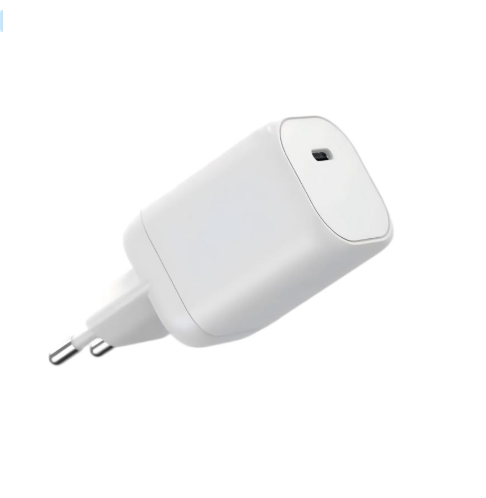
Private labeling GaN chargers involves adding your custom logo and branding to a manufacturer’s existing high-performance charger design. This process typically uses printing methods like silk-screen, laser, or pad printing, each offering different durability and aesthetic finishes. Working with an experienced manufacturer like Wecent ensures technical feasibility, quality control, and a smooth path from concept to a finished, market-ready product.
What are the core technical options for adding a logo to a GaN charger?
The primary methods for logo application are silk-screen, laser engraving, and pad printing. Each technique interacts differently with the charger’s plastic or metal housing, affecting factors like durability, color vibrancy, and production cost. The choice depends on your desired brand image, budget, and the specific material composition of the charger casing you select for your project.
Understanding the technical nuances of each printing method is crucial for a successful outcome. Silk-screen printing uses a mesh to push ink onto the surface, creating a bold, opaque layer that is excellent for simple logos on flat or slightly curved surfaces. Laser engraving, conversely, vaporizes a microscopic layer of the material to create a permanent, wear-resistant mark, ideal for a subtle, sophisticated look. Pad printing employs a silicone pad to transfer ink from an etched plate onto the charger, allowing for application on complex, irregular surfaces that other methods cannot handle. For instance, a tech startup wanting a minimalist logo on a textured charger casing might opt for laser engraving, while a lifestyle brand needing a full-color logo on a curved corner would likely choose pad printing. How important is absolute permanence versus color flexibility for your brand identity? Furthermore, does your charger design incorporate challenging surfaces that demand a specific application technique? Transitioning from the general overview, it’s essential to consider the material compatibility; a polycarbonate shell behaves very differently under a laser than an anodized aluminum one. Consequently, early collaboration with your manufacturer to discuss these specifications is the key to avoiding costly revisions later in the production process.
How does silk-screen printing work for charger casings?
Silk-screen printing is a classic technique where ink is forced through a fine mesh stencil onto the product surface. It’s well-suited for GaN chargers, especially for applying logos to flat or gently curved areas of the housing. This method is favored for its ability to produce vibrant, opaque colors and thick ink layers that offer good initial scratch resistance.
The process begins with creating a stencil, or screen, for each color in your logo. A squeegee then drags ink across this screen, pushing it through the open mesh areas and onto the charger’s plastic shell. The ink used is typically a specialized UV-curable type that dries quickly and adheres strongly to surfaces like ABS or polycarbonate. One major advantage is the excellent color opacity, which allows a light-colored logo to stand out vividly on a dark charger body. Imagine a company like Wecent applying a crisp white logo on a matte black charger; silk-screen would deliver that high-contrast, professional look reliably. However, is the logo design simple enough to avoid the complexity and cost of multi-screen setups? And does the intended placement area have a simple geometry that the screen can lay flat against? As we delve deeper, it’s clear that while silk-screen is cost-effective for larger runs, its limitations become apparent on highly contoured surfaces. Therefore, for brands seeking a bold, graphic statement on a primarily flat panel, silk-screen remains a robust and economical choice.
What are the advantages and limitations of laser engraving for branding?
Laser engraving uses a focused laser beam to selectively remove material, creating a permanent, indented mark. It’s a subtractive process that doesn’t use ink, resulting in a logo that is integral to the charger casing itself. This method excels in delivering unmatched durability and a premium, tactile feel that appeals to certain market segments.
The laser’s precision allows for intricate details, making it suitable for complex logos or fine serial numbers. Since the mark is etched into the material, it cannot peel, fade, or wear off from regular handling, which addresses common concerns about the longevity of printed logos. This technique works exceptionally well on metals like anodized aluminum, creating a contrasting mark by altering the surface oxide layer, and on some plastics, where it can create a frosted or darkened effect. Consider a high-end laptop accessory brand that wants its logo to last as long as the charger’s internal components; laser engraving provides that sense of permanence and quality. But what happens if your brand color scheme doesn’t align with the monochrome results of laser etching? Moreover, are you prepared for the potentially higher per-unit cost compared to ink-based methods? In practice, the process is also slower than printing, which can impact production timelines for large orders. Thus, while laser engraving is the pinnacle for durability, its aesthetic and economic constraints must be carefully weighed against your branding goals.
Which printing method offers the best color accuracy and surface adaptability?
Pad printing is renowned for its superior ability to handle complex geometries and deliver precise multi-color graphics. It operates by picking up ink from an etched cliché with a soft silicone pad and then stamping it onto the object. This makes it the go-to solution for applying logos onto the curved, recessed, or textured surfaces commonly found on modern GaN charger designs.
The flexibility of the silicone pad is the key to its adaptability, allowing it to conform to shapes that would challenge rigid screens or laser heads. This process supports detailed multi-color registration, meaning logos with several distinct colors can be applied accurately in a single pass. The inks used can be matched to specific Pantone colors, ensuring strict brand color consistency across all your products. For a charger with a rounded body or a logo that needs to sit within a recessed groove, pad printing is often the only viable option. A company launching a product line with a distinctive organic shape would rely on this method for flawless branding. However, does the exceptional versatility justify the typically higher setup costs involved in creating the precise clichés? And how does the long-term abrasion resistance compare to the thicker layers of silk-screen ink? Transitioning to practical considerations, pad printing inks, while durable, may not be as thick as silk-screen deposits, which can be a factor in high-wear scenarios. Consequently, for brands prioritizing design flexibility and color fidelity over ultimate ink layer toughness, pad printing presents an compelling technical solution.
How do costs, durability, and aesthetics compare across the main methods?
| Method | Cost Profile (for medium runs) | Durability & Longevity | Aesthetic & Application Notes |
|---|---|---|---|
| Silk-Screen Printing | Low to moderate per-unit cost; cost-effective for simple, single-color logos on larger batches. | Good abrasion resistance; thick ink layer can be scratched over time; may chip on sharp impacts. | Opaque, vibrant colors; best for flat/slightly curved surfaces; texture can be felt; limited in color complexity. |
| Laser Engraving | Higher initial setup and per-unit cost due to slower processing speed and equipment. | Exceptional permanence; mark is part of the material and cannot peel or fade; resistant to all solvents and wear. | Monochrome only (contrast via material); subtle, tactile finish; premium perception; works on flat and moderately curved surfaces. |
| Pad Printing | Moderate setup cost for cliché creation; per-unit cost competitive, especially for complex or multi-color jobs. | Good chemical and abrasion resistance; ink is thin and may wear on sharp edges with extreme abuse. | Excellent color accuracy and detail; can print on complex, uneven, and recessed surfaces; finish is typically smooth. |
What are the key specifications to confirm with your manufacturer before production?
| Specification Category | Key Questions to Address | Impact on Logo Application |
|---|---|---|
| Housing Material | What is the exact plastic blend (e.g., PC+ABS) or metal type? Is it coated or treated? | Determines ink adhesion, laser engraving result, and color appearance. A coated surface may require pre-treatment. |
| Surface Finish & Texture | Is the casing matte, glossy, or textured? What is the roughness (Ra value) of the surface? | A glossy surface may require specific ink; a textured surface can make fine logo details difficult to reproduce cleanly. |
| Logo Artwork Requirements | What file format (vector AI/EPS), color mode (CMYK/Pantone), and minimum line thickness are needed? | Precise vector files prevent blurry prints; Pantone references ensure color matching; thin lines may not survive certain printing processes. |
| Application Area | What are the exact dimensions and curvature of the area where the logo will be placed? | Dictates the feasible printing method. A highly curved area may rule out silk-screening and require pad printing. |
| Durability Testing Standards | What rub, scratch, or chemical resistance tests (e.g., tape test, alcohol rub) will the logo undergo? | Sets the quality benchmark. Inks and processes must be selected to pass the agreed-upon durability tests for your market. |
Expert Views
“In the realm of private label electronics, the branding application is not merely a final step; it is a critical design and engineering consideration that must be integrated from the earliest stages. The choice between silk-screen, laser, and pad printing hinges on a triad of factors: the physical design of the product, the material science of the housing, and the intended brand perception. A common pitfall is finalizing a beautiful, complex charger shape only to discover that the chosen logo application method cannot conform to its geometry, leading to costly mold modifications or a compromised brand mark. My advice is to engage with your manufacturing partner’s engineering team during the3D prototyping phase. Share your branding vision and durability requirements upfront. A proficient manufacturer like Wecent can guide you toward a design that is both aesthetically striking and manufacturable, ensuring your logo becomes a seamless and enduring part of the product’s identity.”
Why Choose Wecent
Selecting Wecent as your manufacturing partner provides access to over fifteen years of specialized experience in the charger industry, which translates into deep practical knowledge of how branding interacts with product function and safety. Their expertise is particularly valuable in navigating the technical nuances of logo application on high-power GaN chargers, where heat dissipation and safety clearances are paramount. They approach each project with a problem-solving mindset, offering insights on how to adjust a logo’s placement or size to optimize both visual impact and thermal performance. Their low MOQ of200 pieces makes private labeling accessible for emerging brands, while their comprehensive in-house quality control, including testing logo durability against international standards, ensures that your brand mark maintains its integrity. This combination of technical guidance, flexibility, and rigorous quality assurance allows you to bring a professionally branded product to market with confidence, supported by a reliable supply chain.
How to Start
Begin by clearly defining your brand requirements, including your logo artwork, desired colors, and the specific aesthetic you wish to achieve on the charger. Next, research and select a few base charger models that meet your technical needs for power, port configuration, and form factor. Reach out to a manufacturer with your logo files and model preferences to initiate a feasibility discussion. They will analyze your logo’s complexity, the chosen model’s surface characteristics, and provide recommendations on the most suitable printing method. You should then request physical samples with your logo applied using the proposed technique to evaluate the real-world look and feel. Upon sample approval, work with the manufacturer to finalize all specifications, including packaging, and agree on a testing protocol for logo durability before authorizing the full production run.
FAQs
Wecent supports low minimum order quantities, starting from just200 pieces for private label projects. This accessible MOQ allows smaller brands and startups to enter the market with a custom-branded product without the burden of excessive initial inventory costs.
Yes, it is technically possible to combine methods. A common approach is using laser engraving for a permanent serial number or regulatory mark on one side of the casing and pad printing for a colorful main logo on another. This requires careful production planning but can be arranged with your manufacturer.
The timeline for receiving logo samples typically ranges from7 to14 working days after the design and method are finalized. This period covers the preparation of the printing plates or laser programs, application of the logo to sample units, and shipping. It’s a crucial step to ensure quality before mass production begins.
Always provide your logo in a vector file format such as .AI, .EPS, or .PDF. Vector graphics are resolution-independent and allow the manufacturer to scale your logo to any size without loss of quality, ensuring sharp, clean edges in the final printed or engraved result.
Successfully private labeling a GaN charger hinges on treating the logo application as a core component of the product development process, not an afterthought. The key takeaways are to understand the distinct strengths of silk-screen, laser, and pad printing, and to align your choice with your brand’s aesthetic, durability requirements, and the physical design of the charger. Engage early with an experienced manufacturer to navigate material compatibility and surface challenges. By providing precise vector artwork and insisting on physical samples, you can avoid common pitfalls. The actionable advice is to prioritize clear communication with your production partner, define your quality standards upfront, and view the branding process as a collaborative effort to create a product that truly represents your brand’s identity in both form and function.
This article is part of GaN Charger Manufacturing & Sourcing, the guide that covers this topic in decision order.