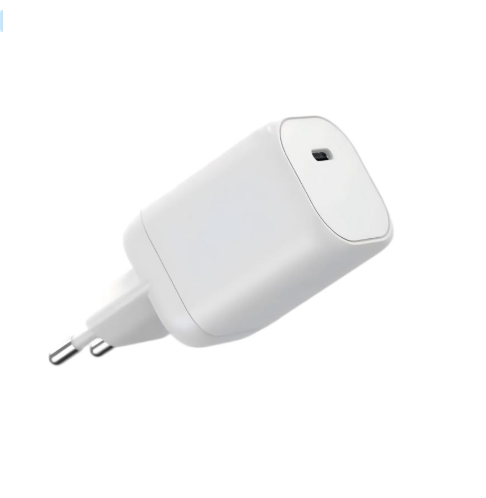
Buying chargers direct from a factory cuts out the middleman's markup — and replaces it with management cost. The direct buyer owns the communication, the certification follow-up, the payment structure and the logistics coordination that a trader used to handle. The savings are real, and the balance is the question: what does direct sourcing save, what does it cost, and is the buyer ready for the process. This guide covers the savings and costs, the five-step process, the risks without a middleman, the payment and logistics basics, and how to vet a factory.
What Factory-Direct Really Saves and Costs
The direct model's economics are a trade:
- The savings. The trader's margin disappears from the price.
- The costs. The buyer's team absorbs the coordination — communication, certification and logistics.
- The balance. Direct sourcing pays when the buyer can manage the process; it costs when the coordination surprises arrive.
The honest framing is that direct is not free: the margin becomes management. The buyer who plans the process gets the savings; the one who ignores it gets the hidden costs in delays and rework.
The Five-Step Direct Sourcing Process
- Research. Shortlist factories by category, certifications and references.
- Verify. Audit the factory — documents, samples and, where possible, a visit.
- Sample. Validate the configuration, the performance and the documentation.
- Trial. Run a small batch and inspect it against the approved sample.
- Scale. Plan volume with the forecast, the payment and the logistics.
The five steps are the direct buyer's process, and each step has a deliverable. The process is the difference between buying direct and gambling direct.
Expert view — WECENT sourcing team: The direct buyers who succeed treat the process as their job: the research, the verification, the samples and the trial are managed like a project. The ones who fail expect the factory to manage everything and discover the coordination cost after the order. The process is the direct buyer's toolkit.
Risks That Surface Without a Middleman
The middleman absorbed risks the direct buyer now owns:
- Communication. The direct buyer manages the language, the time zones and the technical detail.
- Certification. The documents, the follow-up and the market entry are the buyer's responsibility.
- Lead time. The schedule is managed directly, with no buffer from a trader.
- Quality. The inspection and the batch records are the buyer's checks.
The risks are manageable, and they are the price of the margin. The buyer who builds the checklist — communication, certification, schedule and quality — turns the risks into process.
Payment, Incoterms and Logistics Basics
The commercial basics are the direct buyer's daily tools:
- Payment. A 30% deposit with the balance before shipment via T/T is the common structure, with L/C or D/P for larger programs.
- Incoterms. FOB, CIF and DDP define who pays for what and where risk transfers.
- Logistics. Express for samples, air or sea for volume, with the freight forwarder as the partner.
The details are documented on the PI, and the buyer's finance team should approve the structure before the PO. The commercial basics are learnable, and they are the direct model's operating system.
How to Vet a Factory Before the First PO
- The certificates and test reports for the target markets.
- The production process and the quality gates.
- The sample behavior against the specification.
- The communication quality and the response speed.
- The references and the customer history.
- The payment and logistics terms on the PI.
The vetting is the first step's deliverable, and the WECENT official website and the factory page show the kind of documentation a direct buyer should expect. The WECENT configuration team can run the direct sourcing conversation with your requirements.
The First Order Walk
The first direct order is a walk through the five steps with the checklist in hand: the research shortlists the factory, the verification collects the certificates and the samples, the sample validates the configuration, the trial inspects the batch and the scale plans the volume. The walk is the buyer's first experience of the process, and the checklist is the map.
The first order also sets the relationship's terms: the PI documents the configuration, the payment and the schedule, and the after-sales process is confirmed before the PO. The first order, in the end, is the direct buyer's apprenticeship — the process learned once, applied to every order after.
The Relationship Plan
Direct sourcing is a relationship, and the plan covers its lifecycle: the first order validates the process, the reorder tests the consistency, and the program grows with the forecast and the shared schedule. The plan also manages the risks — communication, certification and quality — as standing items rather than one-time checks.
The relationship plan, in the end, is what turns a direct buyer into a direct partner: the process is repeatable, the records are shared and the after-sales is defined. The partnership is the direct model's payoff — the margin saved and the relationship built.
The Checklist Handoff
The direct sourcing checklist is a handoff document: the research, the verification, the samples, the trial and the scale steps travel with the order, and the next buyer or the next order reuses the file. The handoff is the direct model's institutional memory — the process learned once, applied forever.
The handoff also carries the relationship: the PI, the records and the after-sales terms live in the same file, and the file is the partnership's history. The handoff, in the end, is what makes direct sourcing repeatable — the checklist and the records turn a one-time purchase into a program.
The Final Balance
The direct sourcing question closes with the final balance: the margin saved versus the management cost, measured against the buyer's readiness. The balance is the honest answer to "should I buy direct" — the savings are real, and the process is the price.
The final balance, in the end, is the direct buyer's verdict: the process, the checklist and the relationship together decide whether direct pays. The buyer who runs the process gets the savings; the balance is the whole story.
The Buyer Readiness
The direct sourcing decision is a readiness question: the buyer's team, the process and the capital must be ready for the coordination that direct entails. The readiness is the balance's other half — the savings are the reward, and the readiness is the qualification.
The buyer readiness, in the end, is the direct model's gate: the buyer who plans the process, the documents and the logistics is ready for the margin; the one who expects the factory to manage everything pays the coordination cost. The readiness is the whole direct decision.
The Planning Calendar
The direct sourcing calendar is the buyer's schedule: the research month, the verification weeks, the sample cycle, the trial and the volume orders each have a date and a deliverable. The calendar is the process made visible, and it is what keeps the direct order on track.
The planning calendar, in the end, is the direct buyer's control: the dates and the deliverables are the process's heartbeat, and the calendar is the whole direct plan. The buyer who runs the calendar runs the process.
The First Saving
The first direct order's saving is real and measurable: the trader's margin disappears from the unit price, and the buyer's coordination cost appears in the process. The net saving is the direct model's reward, and the first order is where the balance is proven.
The first saving, in the end, is the direct buyer's evidence: the margin saved, the process learned and the relationship built. The saving is the whole direct decision's proof.
The Final Word
The direct sourcing story's final word is the balance: the margin saved, the process managed and the relationship built. The balance is the honest answer, and it is the same answer for the first order and the tenth.
The final word, in the end, is the whole direct decision in one line: plan the process, run the checklist and the savings follow. The final word is the direct buyer's verdict.
And that balance, in the end, is the whole direct decision, made real.
For first-time direct buyers, the pilot order is the tuition: a small batch that exercises communication, certification and logistics before the volume commitment.
Frequently Asked Questions
Is buying direct from a factory cheaper?
The trader's margin disappears, and the buyer's coordination cost appears. Direct pays when the buyer can manage the process.
What are the five steps of direct sourcing?
Research, verify, sample, trial and scale — each with a deliverable.
What risks does direct sourcing carry?
Communication, certification, lead time and quality — the risks the middleman used to absorb, now managed directly.
How do payments work direct?
A common structure is 30% deposit with the balance before shipment via T/T, with L/C or D/P for larger programs.
What is the difference between FOB and DDP?
FOB transfers risk at the loading port; DDP covers freight and duties to the buyer's door. The landed-cost comparison must use the same Incoterms.
Can WECENT support direct sourcing?
Yes. WECENT is a factory with documented processes. Share your requirements with the project team for a direct sourcing conversation.
This article is part of Charger OEM & Wholesale, the guide that covers this topic in decision order.