
USB-C outperforms USB-A with up to 240W PD 3.1 power delivery via efficient GaN tech, reversible design for universal compatibility, and future-proof support for phones/laptops—vs USB-A’s max 18W limits, orientation issues, and legacy obsolescence. For OEM buyers, upgrade inventory with Wecent’s low-MOQ (200 pcs) custom GaN USB-C chargers, global certs (CE/FCC/RoHS/CEC/DOE), and 100% testing to meet EU/Apple mandates quickly.
Check: GaN Charger
How Do USB-C and USB-A Chargers Differ Physically and Technically?
USB-C features an oval, reversible connector for easy insertion and durable cables, unlike USB-A’s rectangular, orientation-sensitive design that limits multi-device convenience. Technically, USB-C delivers PD 3.0/3.1 up to 240W with GaN efficiency for less heat and smaller size, while USB-A caps at 5-18W on silicon chargers, making GaN USB-C ideal for OEM upgrades in compact, high-power applications.
| Feature | USB-C | USB-A |
|---|---|---|
| Power Output | Up to 240W PD 3.1 | Max 18W |
| Connector Design | Oval, reversible | Rectangular, orientation-sensitive |
| Device Support | Phones, laptops, tablets | Legacy phones, basic devices |
| Migration ROI for Wholesalers | Future-proof, premium pricing | Stock devaluation risk |
What Are the Main Types of Older Chargers Facing Obsolescence?
Key older chargers include USB-A (rectangular host ports max 18W), Micro-USB (B-type for legacy Android at slow speeds), and Lightning (Apple proprietary, limited power). EU mandates for USB-C by 2024-2026 and Apple’s iPhone shift drive obsolescence, risking inventory write-offs for importers and Amazon sellers holding non-compliant USB-A or Micro-USB stock.
Why Switch to USB-C Chargers: Key Migration Benefits for Brands?
Switch to USB-C for 20W-240W GaN PD fast charging, multi-protocol support across phones and laptops, and reduced e-waste through universality. It ensures compliance with CEC/DOE standards, enables premium pricing, and cuts energy loss versus silicon legacy chargers, future-proofing private-label brands against regulatory shifts.
Wecent Expert Views
“With 15+ years in Shenzhen manufacturing, we’ve helped 200+ global clients transition to USB-C GaN chargers via low-MOQ OEM from 200 pcs. Our Level 1-3 services—from quick branding to full custom PD 3.1 designs—deliver 15-20 day lead times, 100% testing, and certs like CE/FCC/RoHS/CCC/PSE/KC. This enables 40% faster market entry without high-risk volumes, powering brands in Americas and Europe seamlessly.”
Check: What Distinguishes a Charger Cable Type-C from Older Cables?
— Wecent Engineering Lead
| Aspect | USB-C GaN (Wecent 20W-240W) | Legacy USB-A (18W Silicon) |
|---|---|---|
| Charging Speed | PD 3.0/3.1 up to 240W | Max 18W QC |
| Size/Efficiency | Compact, low heat | Bulky, high waste |
| Cert Costs | Included (CE/FCC/CEC/DOE) | Legacy, non-compliant risks |
| MOQ Feasibility | 200 pcs OEM/ODM | High volume only |
How Does USB-C vs Lightning Affect Global Inventory Strategies?
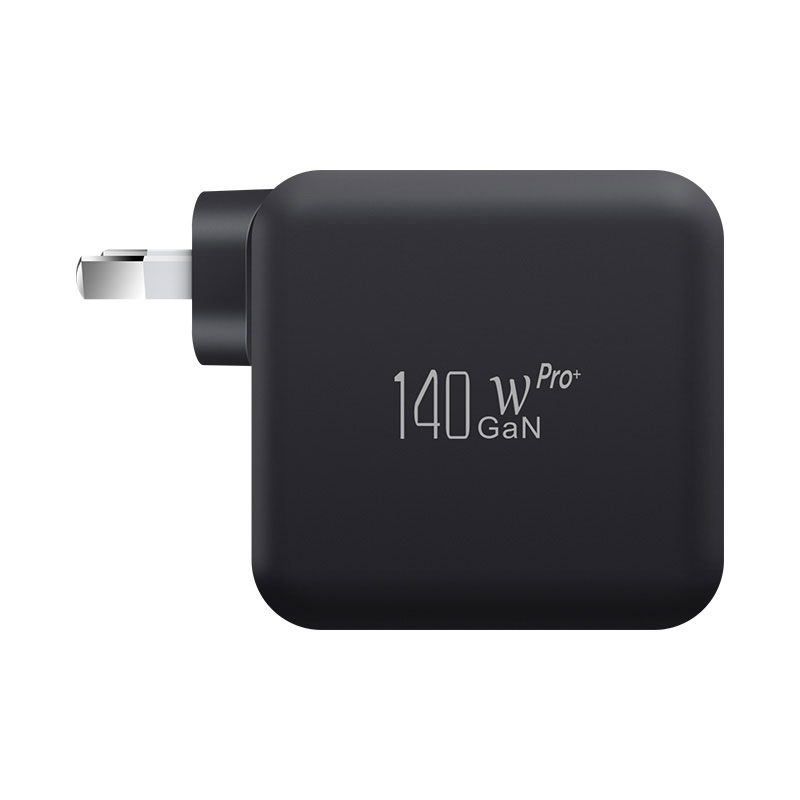
Apple’s USB-C adoption unifies iOS/Android charging, ending Lightning silos and benefiting wholesalers with mixed ecosystems. Shenzhen factories like Wecent address high MOQ/cert challenges via multi-plug (US/EU/UK/AU) GaN USB-C chargers, enabling hybrid USB-C/A kits for phased upgrades in travel and remote work scenarios.
What Makes GaN USB-C the Superior Choice Over Silicon Older Chargers?
GaN USB-C offers higher efficiency with less heat and waste in 20W-240W designs versus bulky, hot silicon USB-A at 18W max. It supports QC4+/PPS for laptops/phones, aligns with ESG via lower materials use, and leverages Wecent’s ISO9001 tests for longevity, cutting wholesale costs 20-30% factory-direct.
How Can Brands Upgrade to USB-C Chargers Wholesale with Low Risk?
Assess legacy stock, specify 20-240W PD/GaN needs, and source low-MOQ (200 pcs) with logo/packaging customization. Wecent provides 100% functional testing, 2-year warranty, full certs (CE/FCC/RoHS/CCC/PSE/KC/DOE), 15-20 day leads, and EXW/FOB Shenzhen shipping, streamlining OEM transitions for procurement managers.
Why Partner with a Shenzhen Factory Like Wecent for Type-C Transitions?
Shenzhen’s GaN supply chain ensures cost-effective scaling; Wecent’s 100K+ annual output and $2.5-5M value support 200+ clients (40% Americas, 30% Europe). ISO9001 quality, batch traceability, and hybrid USB-C/A options mitigate risks, with NDA-shared data for compliance in OEM/ODM projects.
FAQs
What is the lowest MOQ for custom USB-C GaN chargers at Wecent?
200 pcs, with full OEM/ODM including logo, packaging, power tailoring from 20W-240W, and global plugs (US/EU/UK/AU).
Which certifications does Wecent provide for USB-C vs older charger upgrades?
CE/FCC/RoHS/CEC/DOE standard; model-specific CCC/PSE/KC; plus 100% functional testing and 2-year warranty on all GaN USB-C models.
How long to transition legacy USB-A inventory to USB-C with Wecent?
15 workdays lead time for engineering and production of 20W-240W GaN PD USB-C chargers, supporting quick OEM launches.
Can Wecent handle multi-region plugs for USB-C travel chargers?
Yes, interchangeable US/UK/EU/AU plugs on 45W-100W GaN models with PD 3.0/QC 4.0+ for global wholesale and travel kits.
What are GaN USB-C advantages over silicon for OEM buyers?
Smaller size, cooler operation, up to 240W vs 18W; higher efficiency reduces ESG risks and shipping costs for private-label brands.
Conclusion
USB-C GaN chargers surpass USB-A/Lightning legacy with superior speed, efficiency, and universality. Wecent empowers B2B brands to upgrade wholesale inventory fast via 200-pcs MOQ, Shenzhen-direct pricing, full global certs, and proven support for 200+ clients, future-proofing lines without high-risk commitments.